

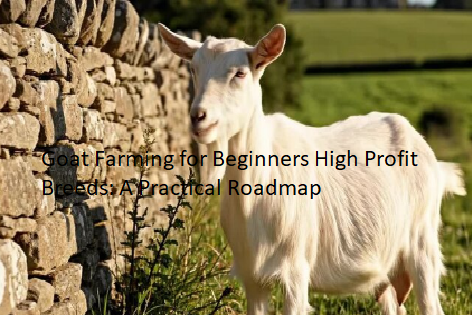
Starting a successful venture in goat farming for beginners high profit breeds requires careful attention to animal selection, market demand, and operational efficiency. Many new farmers enter the industry hoping for quick returns, but long-term viability hinges on choosing the right genetics for your local climate and target market.
By focusing on breeds that convert feed into meat or milk effectively, you can minimize overhead costs while maximizing your output. This article provides the essential data and strategies needed to evaluate potential returns and establish a sustainable agricultural operation from the ground up.
Determining Profitability in Goat Farming
Profitability in this sector is rarely accidental; it is the result of strict cost management and choosing high-yield genetics. For beginners, the most profitable path often involves raising meat-focused breeds like the Boer or Kiko, which are known for rapid weight gain and hardiness.
You should expect to see a return on investment within 18 to 24 months, provided you keep your initial infrastructure costs under control. Avoiding expensive, custom-built barns in favor of repurposed structures can significantly improve your bottom line during the first few years.
Market demand dictates which breed will offer the highest profit margin in your specific region. In many urban centers, the demand for goat meat, or cabrito, peaks during specific cultural and religious holidays, allowing for premium pricing if you time your breeding cycles correctly.
Always research your local auction house prices and private buyer preferences before committing to a specific breed. A well-planned operation can generate a net profit margin of 20% to 30% once the herd reaches a stable size.
Top High-Profit Meat Goat Breeds
When considering goat farming for beginners high profit breeds, the Boer goat remains the gold standard for meat production. Developed in South Africa, these animals are specifically bred for heavy muscling and fast growth rates, often reaching market weight faster than local landrace breeds.
However, they require higher quality forage and more medical attention than some hardier, less productive varieties. They are the ideal choice if you have access to consistent, high-quality nutrition and a market that pays for superior carcass quality.
The Kiko goat is a strong alternative for producers looking for lower management requirements. Originally developed in New Zealand, these goats are highly resistant to parasites and thrive on browse that other breeds might ignore.
While they may not reach the same mature weight as a top-tier Boer, their ability to survive and gain weight in harsh conditions often leads to higher net profits due to lower veterinary and supplemental feed costs. Many farmers choose to crossbreed these two to capture the hybrid vigor of the Kiko and the frame of the Boer.
Breeds for Dairy and Specialized Products
Dairy goats represent a different business model that demands a higher labor investment but offers steady, recurring cash flow. The Nubian goat is a favorite for beginners because its milk has a high butterfat content, which is essential for making high-value cheese and yogurt.
Nubians are also dual-purpose, meaning you can sell the buck kids for meat if you don’t keep them for breeding. This flexibility helps diversify your income streams, which is a critical strategy for new farmers.
Saanen and Alpine goats are the workhorses of the dairy industry, consistently producing higher volumes of milk than most other breeds. If your goal is to sell raw milk or large quantities of dairy products to artisanal producers, these goats are your best bet.
Keep in mind that dairy operations require daily milking, which limits your ability to take time off. You must factor the cost of specialized equipment, such as milking machines and cooling tanks, into your initial business plan.
Comparing Production Metrics by Breed
Understanding the output potential of various breeds helps in setting realistic expectations for your farm. The following table illustrates the typical characteristics that drive profitability in common commercial breeds.
| Breed | Primary Use | Growth Rate | Management Intensity |
|---|---|---|---|
| Boer | Meat | Very High | High |
| Kiko | Meat | Medium | Low |
| Nubian | Dairy/Meat | Medium | Medium |
| Saanen | Dairy | High (Milk) | High |
Managing Infrastructure and Feed Costs
Feed accounts for approximately 60% to 70% of the total operating expenses in any small-scale goat farm. To maximize profit, you must prioritize rotational grazing to reduce the reliance on expensive, store-bought hay and grain.
By moving your herd through different paddocks, you allow the grass to recover while simultaneously breaking the life cycle of common internal parasites. This practice not only saves money on feed but also reduces the need for costly chemical dewormers.
Adequate fencing is the most significant infrastructure investment you will make. Goats are notorious for escaping, and a breach in your perimeter can lead to lost stock or property damage.
Use woven wire fencing with a minimum height of 48 inches to keep your herd secure and predators out. Investing in high-quality, permanent fencing at the start is far cheaper than dealing with the recurring labor of patching temporary electric netting.
Essential Supplies for New Goat Producers
A successful start in the industry requires gathering the right tools before your first goats arrive. You do not need the most expensive equipment, but you do need items that are durable and easy to sanitize. Focus your initial budget on health and nutrition infrastructure rather than aesthetic improvements to your farm buildings.
- Mineral feeders designed to keep supplements dry and free of contamination.
- Hoof trimmers to prevent foot rot and maintain mobility in your herd.
- A reliable scale to track weight gains and ensure your animals are ready for market.
- Standard veterinary kit, including thermometers, antiseptic, and basic antibiotics.
- Sturdy, leak-proof water troughs that are easy to clean daily.
- Identification tags or collars to keep accurate breeding and health records.
Health Management and Disease Prevention
Disease can destroy the profit potential of a small farm in a single season. The most common issues include internal parasites, foot rot, and respiratory infections caused by poor ventilation.
You should establish a relationship with a local large-animal veterinarian as soon as you decide to start your farm. They can help you create a vaccination schedule tailored to the specific health risks in your region.
Good biosecurity is your first line of defense against costly outbreaks. Always quarantine new arrivals for at least 30 days before introducing them to your main herd.
This practice prevents the introduction of contagious diseases like Caseous Lymphadenitis or Caprine Arthritis Encephalitis. Keeping your records updated with the help of resources like the USDA Animal and Plant Health Inspection Service ensures you remain compliant with national standards and best practices.
Marketing Your Goat Products
Selling your goats for a profit requires identifying your niche before the animals are ready for market. You can sell directly to consumers, through local farmers’ markets, or to commercial livestock auctions.
Direct sales to restaurants or families often yield higher margins than selling at an auction house, where you are at the mercy of the day’s market fluctuations. Building a reputation for high-quality, healthy animals will eventually allow you to charge a premium price for your breeding stock.
If you choose to sell meat, consider the local processing regulations in your area. Many states require meat to be processed in USDA-inspected facilities if you intend to sell individual cuts to the public.
If you sell the animal live to a buyer, you can often bypass these regulations, but you must ensure you are following all local laws. Develop a clear contract for any private sales to protect your business interests and ensure clear communication with your buyers.
Frequently Asked Questions
What is the most profitable goat breed for a beginner?
Most beginners find the Kiko or Boer crossbreeds to be the most profitable for meat production. These breeds offer a balance of rapid growth and hardiness that helps minimize early losses.
Can I make a living from raising goats?
It is possible to make a living, but it generally requires a herd size of at least 100 to 200 head to generate a full-time income. Most beginners start as a side business to learn the ropes before scaling up to a commercial level.
How much space does a goat need?
A general rule of thumb is that you can support 6 to 8 adult goats per acre of high-quality pasture. This number varies significantly based on your soil quality, rainfall, and the specific breed you choose.
Are dairy goats more profitable than meat goats?
Dairy goats can be more profitable per animal due to the constant daily product, but they require significantly more labor and specialized equipment. Meat goats are generally lower maintenance, making them a better choice for someone with limited time.
What is the biggest expense in goat farming?
Feed and parasite control are usually the highest recurring costs in any goat operation. You can control these expenses by implementing a disciplined rotational grazing program and maintaining excellent pasture health.
Building a Sustainable Future
Achieving long-term success in goat farming for beginners high profit breeds involves more than just buying the right animals. It requires a commitment to constant learning, careful financial tracking, and a willingness to adapt to the needs of your local market.
Focus on building a healthy, resilient herd that thrives on your specific land, and do not be afraid to cull animals that do not meet your performance standards. By treating your farm as a business from the very beginning, you set the foundation for a productive and rewarding agricultural lifestyle.
Start by sourcing high-quality foundation stock from reputable breeders rather than taking chances at general livestock sales. Keep your overhead costs low, prioritize the health of your herd, and always keep an eye on your local market demand.
The path to profitability is built on small, consistent gains rather than overnight success. If you approach this venture with patience and clear goals, you can build a sustainable operation that serves your community and your financial objectives for years to come.
