

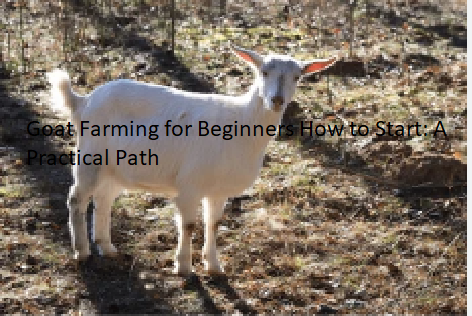
Understanding goat farming for beginners how to start requires balancing passion with hard logistical data. Whether your goal is milk production, meat, or land management, successful operations rely on specific infrastructure and animal husbandry standards.
By focusing on breed selection, nutrition, and legal compliance, you can build a sustainable herd from the ground up. This article provides the foundational metrics and operational steps necessary to move from initial planning to active livestock management.
The Financial Reality of Starting a Goat Farm
Many prospective farmers ask about the initial investment required to launch a small operation. While costs vary significantly by region and scale, you should anticipate an entry-level budget of at least $2,000 to $5,000 for a small herd of three to five goats. This figure covers basic shelter construction, fencing, initial veterinary supplies, and the purchase price of the animals themselves.
Land preparation often represents the largest hidden expense for beginners. You must ensure your perimeter is secure, as goats are notorious for escaping through gaps as small as a few inches. Investing in high-tensile woven wire fencing is usually more cost-effective over five years than attempting to repair cheaper, standard agricultural netting.
Estimated Startup Costs for a Small Herd
To help you plan your budget, the following table outlines the approximate costs for starting with a small, manageable herd of five goats. Prices are based on average market rates for basic, functional equipment in the United States.
| Expense Category | Estimated Cost Range |
|---|---|
| Goat Purchase (High-quality stock) | $750 – $1,500 |
| Fencing (Per acre, secure) | $800 – $1,200 |
| Shelter Construction | $500 – $1,000 |
| Initial Feed & Mineral Supply | $200 – $400 |
| Basic Health Kit & Tools | $150 – $300 |
Selecting the Right Breed for Your Goals
Selecting the right breed is the most critical decision in goat farming for beginners how to start effectively. Goats are generally categorized into three primary production types: meat, dairy, and fiber. Choosing a dual-purpose breed can be a strategic move if you are unsure of your primary revenue stream.
Meat breeds like the Boer are prized for their rapid growth rates and muscular build. If your objective is commercial meat production, these animals offer the best conversion ratio from forage to weight. Boer goats are hardy and adapt well to various climates, making them a safe choice for newcomers.
Dairy breeds, such as the Nubian or Alpine, require a more intensive daily routine due to milking schedules. You must be prepared to milk these animals twice daily to maintain production and prevent health issues like mastitis. Dairy goats are generally more docile and easier to handle, which is a significant advantage for those with little prior experience.
Infrastructure and Shelter Requirements
Goats are highly sensitive to moisture and drafts, despite their reputation for being tough. Your shelter does not need to be an expensive, temperature-controlled barn, but it must be dry and well-ventilated. A three-sided structure facing away from prevailing winds is often sufficient in moderate climates.
Bedding management is essential for long-term herd health. Using wood shavings or clean straw helps absorb moisture and prevents the buildup of ammonia, which can lead to respiratory issues. You should plan for a deep-litter system where you add fresh bedding over the top of soiled layers, cleaning it out completely twice a year.
Key Infrastructure Needs
- Perimeter Fencing: At least 48 inches high to prevent jumping and climbing.
- Water Access: Clean, fresh water must be available at all times, preferably in elevated troughs.
- Mineral Stations: Goats require specific loose minerals to prevent deficiencies, especially copper.
- Quarantine Pen: A separate, secure area for isolating new arrivals or sick animals.
- Feeders: Elevated hay racks to prevent waste and reduce parasite transmission.
Nutrition and Forage Management
Goats are browsers rather than grazers, meaning they prefer shrubs, weeds, and tree leaves over standard grass. This natural behavior makes them excellent for land clearing, but it also dictates their nutritional requirements. A diet consisting solely of grass is often insufficient for high-production dairy goats or growing kids.
High-quality hay should be the backbone of your winter feeding program. You must ensure the hay is free of mold and dust, as goats are particularly susceptible to respiratory infections from poor-quality feed. Supplementing with a balanced mineral mix is mandatory, as many regions have soil that is deficient in essential trace elements like selenium or copper.
You can find detailed nutritional guidelines and industry standards through the eXtension Foundation database. Relying on these peer-reviewed resources helps you avoid common pitfalls like over-supplementing with grain. Excess grain can lead to urinary calculi in male goats, a painful and potentially fatal condition.
Health Protocols and Veterinary Care
Maintaining a healthy herd requires proactive management rather than reactive treatments. Parasite control is the most significant challenge in goat farming, particularly in humid or high-rainfall climates. You must learn to use the FAMACHA scoring system, which involves checking the color of the goat’s eyelid membranes to assess anemia levels caused by worms.
Routine vaccinations are another pillar of basic care. Most farmers administer a CD&T vaccine, which protects against Clostridium perfringens types C and D, as well as tetanus. Consult with a local veterinarian to establish a vaccination schedule that matches the disease pressure in your specific geographic area.
Hoof trimming is a task you will perform every six to eight weeks. Overgrown hooves lead to lameness and can create pockets where bacteria thrive, leading to foot rot. Having a dedicated trimming stand or a secure head gate will make this process significantly safer and more efficient for you and the animal.
Legal and Zoning Considerations
Before you bring your first goat home, you must verify your local zoning laws. Some suburban and semi-rural areas have strict ordinances regarding livestock density and noise. You might be required to obtain a permit or prove that your property meets minimum acreage requirements for the number of animals you intend to keep.
Check with your local agricultural extension office regarding nuisance laws. Goats can be loud, particularly when they are in heat or calling for their kids, which can lead to friction with neighbors. Being transparent about your plans and ensuring your fencing is visually appealing can go a long way in maintaining good community relations.
Registration and record-keeping are also important for the long-term viability of your operation. Keeping track of birth dates, medical treatments, and breeding records allows you to make data-driven decisions about which animals to keep and which to cull. Proper documentation is also essential if you plan to sell breeding stock or participate in 4-H programs.
Managing Reproduction and Breeding Cycles
Understanding the breeding cycle is vital if you intend to produce milk or grow your herd. Goats are seasonal breeders, typically responding to the shortening days of autumn. This means most kids are born in the spring, which is the ideal time for them to survive and thrive on fresh pasture.
You must decide whether to keep a buck on your property or use artificial insemination. Keeping a buck comes with its own set of challenges, including the strong odor they emit during the rut and their tendency to be more aggressive. Many beginners find it easier to hire out breeding services or borrow a buck from a neighbor for a short period.
Monitoring kidding is a high-stress but rewarding part of the process. You should have a “kidding kit” ready, including clean towels, iodine for umbilical cords, and a source of colostrum. Being prepared for complications, such as a breech birth, can save the lives of both the doe and the kid.
Marketing and Income Generation
Once your operation is running smoothly, you may look for ways to offset your costs through sales. Goat milk, cheese, and soap are popular value-added products that can command high prices at local farmers’ markets. However, be aware that selling dairy products often requires specific state licensing and food-grade facilities.
Meat sales are another route, often targeting specific ethnic markets that prioritize fresh, humanely raised goat meat. You must research the local demand and understand the legal requirements for slaughter and processing in your jurisdiction. Many farmers find success by selling live animals as 4-H projects or as pets to hobbyists.
Diversification is key to long-term profitability. Some farmers lease their goats for vegetation management, charging property owners to clear invasive brush. This model requires portable electric fencing and a trailer for transport, but it turns a maintenance cost into a revenue stream.
Frequently Asked Questions About Starting a Goat Farm
How much does it cost to start a goat farm?
Initial startup costs usually range from $2,000 to $5,000 for a small starter herd. This budget includes the cost of the animals, fencing, basic shelter, and necessary medical supplies.
Are goats easy to take care of for beginners?
Goats are relatively hardy animals, but they require consistent daily attention and specialized knowledge of parasite management. They are more demanding than sheep but generally more interactive and easier to handle than cattle.
What do you need to start a goat farm?
You need secure, high-tensile fencing, a dry three-sided shelter, access to clean water, and a supply of high-quality hay and minerals. You also need a basic medical kit and a reliable local veterinarian who works with small ruminants.
Is it hard to be a goat farmer?
It is physically demanding and requires a significant time commitment, especially during kidding season. Success depends on your ability to monitor animal health closely and manage the daily chores of feeding, watering, and fencing maintenance.
Do I need a lot of land to start?
You can keep a small herd of goats on as little as half an acre if you supplement their diet with hay. However, managing pasture health is easier with more space to rotate your animals.
Moving Forward with Your Goat Project
Successfully navigating goat farming for beginners how to start is a process of continuous learning and adaptation. You will face challenges with parasites, fencing failures, and the realities of seasonal production, but the rewards of livestock ownership are substantial. Start small, focus on building a secure infrastructure, and prioritize the health of your initial herd before attempting to scale up.
Consistency in your daily routine will define your success more than any other factor. Take the time to observe your goats closely every day, as they are expert at hiding early signs of illness.
By keeping detailed records and staying connected with local agricultural resources, you can build a productive and sustainable farm. Reach out to your local agricultural extension office today to learn about specific breed recommendations for your local climate and soil conditions.
