

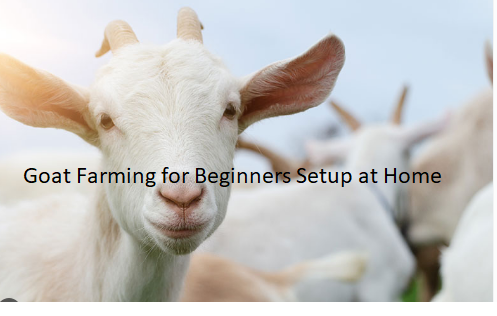
Starting a goat farming for beginners setup at home requires careful planning regarding space, legal zoning, and daily maintenance. Most hobbyists find that success depends on choosing the right breed, providing adequate shelter, and securing reliable fencing. By focusing on these core requirements, you can establish a productive small-scale operation on a standard suburban or rural plot.
This guide explains exactly what you need to prepare your property and manage your herd effectively. You will learn how to balance initial costs with sustainable management practices to ensure your goats remain healthy and your farm stays within your budget.
Initial Investment and Setup Costs
The financial commitment for a goat farming for beginners setup at home varies significantly based on your existing infrastructure. If you already have a barn or shed, your primary expenses will focus on fencing, feeders, and initial livestock purchases. A single goat typically costs between $150 and $400 depending on the breed and its pedigree.
You must also account for veterinary costs, which often include initial vaccinations and parasite control. Beginners should budget at least $1,000 to $2,000 for the first three goats to cover housing modifications, quality hay, and essential medical supplies.
Space Requirements and Zoning Laws
Before you purchase your first animal, you must verify your local zoning ordinances regarding livestock. Many residential areas have strict rules about the number of animals allowed per acre. Generally, a good rule of thumb is that you can comfortably house 6 to 8 goats per acre if you practice rotational grazing.
If your space is limited, you will need to rely more heavily on stall-feeding or purchasing hay rather than relying on pasture. Always check with your local municipal office to ensure you aren’t violating neighborhood covenants or city animal ordinances.
Choosing the Right Goat Breed
The breed you select should align with your goals, whether you are interested in milk production, fiber, or simple brush clearing. Nigerian Dwarf goats are a popular choice for home setups because they are small, friendly, and produce high-quality milk. If your goal is meat production, Kiko or Boer goats are often preferred due to their rapid growth rates and hardiness.
For those focusing solely on land management, almost any breed will work, but you should prioritize those known for being docile. Consider the following comparison when making your selection:
| Breed | Primary Purpose | Size Category |
|---|---|---|
| Nigerian Dwarf | Dairy | Small |
| Boer | Meat | Large |
| Angora | Fiber | Medium |
| Nubian | Dairy | Large |
Fencing and Containment Strategy
Goats are notorious escape artists, making high-quality fencing the most important asset on your farm. Standard cattle wire is rarely sufficient because goats will climb over it or push through the gaps. You should invest in woven-wire fencing that is at least 48 inches high to keep them contained.
Additionally, adding a strand of electric fencing along the top and bottom can prevent predators from digging in and goats from testing the wire. Never underestimate their ability to find a loose post or a gap in the gate.
Essential Housing and Shelter
Your shelter does not need to be an expensive structure, but it must be dry and draft-free. Goats are susceptible to respiratory issues if kept in damp, poorly ventilated environments. A simple three-sided shed facing away from prevailing winds is usually sufficient for most climates.
Ensure the floor is elevated or well-drained to keep bedding materials like straw or wood shavings dry. You can find detailed resources on livestock housing standards through the eXtension Foundation, which provides research-backed guidance for small-scale farmers.
Nutritional Needs and Feeding
Feeding goats correctly is the difference between a thriving herd and one prone to illness. They are browsers, not grazers, meaning they prefer to eat leaves, weeds, and brush rather than just grass. You must provide access to clean, fresh water at all times, as goats will refuse to drink dirty water.
High-quality hay should be available during winter months or when pasture quality drops. Supplement their diet with a loose mineral mix specifically designed for goats to ensure they receive necessary trace elements like copper and selenium.
Health Management and Parasite Control
Managing internal parasites is the most difficult aspect of goat farming for beginners setup at home. Goats are highly sensitive to worms, which can thrive in moist, warm pastures. You should implement a rotational grazing schedule to move your herd regularly, which helps break the parasite life cycle.
Keep a basic medical kit on hand that includes a thermometer, antiseptic spray, and a dewormer recommended by your local veterinarian. Regular hoof trimming is also necessary every six to eight weeks to prevent rot and structural issues.
Daily Operational Checklist
Consistency is the secret to a successful home farm, as routine helps you spot health issues before they become emergencies. Dedicate time each morning and evening to check on your animals and perform basic maintenance.
Your daily tasks should become a natural part of your schedule to ensure the herd remains stress-free. Use a checklist to ensure you stay on top of the following critical tasks:
- Inspect all perimeter fencing for loose wire or broken posts.
- Check the water trough for cleanliness and refill if necessary.
- Monitor all goats for signs of lethargy, limping, or decreased appetite.
- Replenish mineral feeders and ensure hay is off the ground.
- Check for any new, unwanted plants in the pasture that might be toxic.
Frequently Asked Questions
What is the most important piece of equipment for a beginner?
The most critical investment is high-quality fencing. Without a secure enclosure, your goats will quickly become a liability, causing damage to your garden or wandering into dangerous areas.
How many goats should I start with?
You should never start with just one goat, as they are herd animals and will become depressed and vocal if isolated. Starting with at least two, preferably three, is the recommended approach for a healthy herd dynamic.
Do I need a veterinarian who specializes in goats?
Yes, you should locate a large-animal veterinarian before you bring your goats home. Many small-animal vets do not have the experience or supplies needed to treat goats, especially for common issues like pregnancy complications or severe parasite loads.
Can goats live with other farm animals?
Goats can coexist with animals like chickens or horses, but they should generally be kept separate from sheep. Goats and sheep have different dietary requirements for copper, and they can also share parasites that are more harmful to one species than the other.
What are the biggest challenges for beginners?
The most common hurdles are dealing with internal parasites and managing the goats’ escape tendencies. Beginners often underestimate how much time is required for daily monitoring and how quickly a minor health issue can escalate.
Conclusion
Establishing a successful goat farming for beginners setup at home is a rewarding journey that requires patience and dedication. By prioritizing strong fencing, appropriate housing, and a consistent health management routine, you can create a sustainable environment for your animals. Start small, learn from your daily observations, and always prioritize the welfare of your herd over rapid expansion.
As you become more comfortable with the day-to-day requirements, you will find that the effort invested in your goats pays off in both productivity and personal satisfaction. If you are ready to begin, start by mapping out your property and speaking with local experts to refine your plan before purchasing your first animals.
