

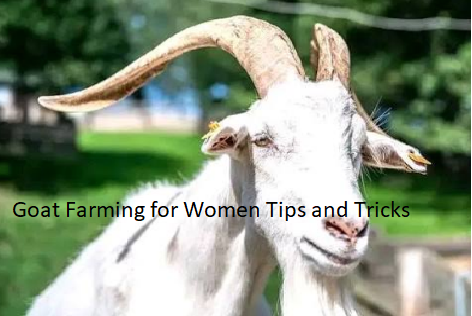
Mastering goat farming for women tips and tricks requires a blend of physical preparation, financial planning, and a deep understanding of animal husbandry. Whether you are aiming for a small homestead operation or a commercial venture, the success of your herd depends on consistent daily management and infrastructure design.
By focusing on breed selection, proper nutrition, and health monitoring, you can build a resilient business that provides both personal satisfaction and a steady income stream. This article breaks down the essential steps to help you manage your herd effectively, minimize risks, and ensure your farm thrives over the long term.
Starting Your Herd Size
Most experts suggest starting with a small group of two to three does to minimize initial overhead and learning curves. Managing a smaller herd allows you to observe individual animal behavior, which is critical for identifying early signs of illness or stress.
When you are just beginning, the physical demands of fencing, feeding, and medical care can be surprising. Starting small ensures you can handle these tasks without becoming overwhelmed by the labor requirements of a large herd.
Goats are herd animals that experience significant stress when isolated. You should never purchase a single goat unless you already have a companion animal, such as a donkey or another goat, to keep it company.
A pair of does provides a manageable baseline to learn about breeding cycles, gestation periods, and kidding without the pressure of managing a large production schedule. As you become more confident in your daily routines, you can scale up your operations based on your land capacity and market demand.
Infrastructure and Fencing Requirements
Proper fencing is the single most important investment you will make in your farm’s infrastructure. Goats are notorious escape artists that view traditional barbed wire as a mere suggestion rather than a barrier.
High-tensile woven wire, often called “no-climb” fencing, is the industry standard for keeping goats contained and predators out. You should plan for a fence height of at least 48 inches to prevent jumping, especially if you are raising athletic breeds like Nubians or Alpines.
Shelter design should prioritize ventilation and protection from moisture rather than extreme insulation. Goats are susceptible to respiratory issues if their living area becomes damp or poorly ventilated during the winter months.
A simple three-sided shed that faces away from prevailing winds is usually sufficient for most climates. Ensure the floor of the shelter is kept dry by using elevated bedding or frequent cleaning, as wet hooves are a primary vector for foot rot and other bacterial infections.
Financial Planning and Budgeting
Understanding the costs associated with goat farming is vital for long-term viability. You need to account for both fixed costs, such as equipment and housing, and variable costs, like feed, minerals, and veterinary care.
Many new farmers underestimate the price of high-quality hay and specialized grain mixes. Creating a spreadsheet to track every expense will help you identify where you can cut costs and where you need to invest more for better animal health.
Revenue streams in goat farming typically come from three primary sources: meat, milk, and breeding stock. Some farms also generate income by selling composted manure or renting out goats for brush clearing services. The following table illustrates a rough comparison of potential income sources for a small-scale operation.
| Income Source | Market Volatility | Initial Investment |
|---|---|---|
| Dairy/Milk Products | High | High (Processing equipment) |
| Meat/Chevon | Moderate | Low (Pasture-based) |
| Breeding Stock | Low | High (Genetics/Registration) |
| Brush Clearing | Low | Moderate (Transport/Fencing) |
Health Management and Nutrition
Nutrition is the foundation of a healthy herd, and a balanced diet is the best preventative medicine you can offer your goats. Goats are browsers, not grazers, meaning they prefer to eat leaves, shrubs, and weeds rather than just grass.
Providing access to a diverse range of forage is essential for their digestive health and overall vitality. You should always provide a high-quality loose mineral supplement specifically formulated for goats, as sheep minerals often lack the copper necessary for goat health.
Internal parasites, particularly barber pole worms, represent the biggest health challenge for small-scale farmers. You must implement a rotational grazing system to break the parasite life cycle by moving goats to fresh paddocks every two to four weeks.
Learn to perform a FAMACHA score check, which involves examining the color of the lower eyelid to determine if a goat is anemic and in need of deworming. This practice prevents the overuse of chemical dewormers, which leads to drug-resistant parasite populations in your herd.
Breeding and Kidding Cycles
Understanding the breeding season is crucial for planning your year and maximizing your production. Most goats are seasonal breeders, meaning they are triggered to mate by the shortening day length in the fall.
You will need to keep accurate records of breeding dates to predict kidding times with precision. A typical gestation period for a goat is approximately 150 days, though this can vary by a few days depending on the breed and the individual doe.
Preparation for kidding requires a dedicated space that is clean, dry, and draft-free. You should have a basic medical kit on hand that includes iodine for umbilical cords, sterile gloves, and colostrum replacer in case a kid cannot nurse immediately.
Observing the doe for signs of impending labor, such as udder development and restlessness, will help you decide when to move her to the kidding pen. Being present during birth is often necessary to ensure both the mother and the kids are safe and healthy.
Marketing Your Goat Products
If you choose to sell milk, meat, or fiber, you must navigate your local and state regulations carefully. Many regions have strict requirements for the sale of raw milk, often limiting sales to on-farm transactions or prohibiting them entirely.
Researching these laws before you begin production will save you significant legal headaches and potential fines. Building a brand based on transparency and animal welfare can help you command premium prices for your products at local farmers’ markets or through direct-to-consumer subscriptions.
Networking with other farmers is one of the most effective ways to learn the ropes of local marketing. Joining a local farming cooperative or attending regional agricultural workshops can provide you with insights into current pricing trends and consumer preferences.
You can find extensive resources on animal welfare and production standards through the United States Department of Agriculture, which offers research-backed guidance for small-scale livestock operations. Building a strong reputation in your community is often the most reliable form of marketing for a new farm.
Time Management for Farm Life
Balancing the demands of a farm with other personal or professional responsibilities requires rigorous scheduling. Morning and evening chores are non-negotiable, regardless of weather or fatigue.
You should strive to automate tasks wherever possible, such as installing automatic waterers or using large-capacity feeders that reduce the frequency of labor-intensive refills. Creating a checklist for daily, weekly, and monthly tasks will help you manage your time effectively and ensure that no aspect of herd management is overlooked.
* Daily: Check water levels, monitor for illness, and ensure fencing integrity.
* Weekly: Rotate grazing paddocks and perform a general health check on each goat.
* Monthly: Trim hooves, check body condition scores, and organize feed inventories.
* Seasonally: Schedule vaccinations, parasite screenings, and breeding rotations.
Managing Risks and Emergencies
Risk management is a critical aspect of farming that is often overlooked until an emergency occurs. You should have a clear plan for dealing with predators, such as coyotes or stray dogs, which can decimate a herd in a single night.
Guardian animals like Great Pyrenees dogs or donkeys are common solutions, but they require their own training and care. Keep a list of emergency contacts, including a large animal veterinarian who is willing to make house calls, posted in your barn at all times.
Financial risk can be mitigated by diversifying your farm’s output. If you rely solely on milk sales, a sudden illness in your milking string could eliminate your entire income for the season.
Adding meat goats or selling breeding stock provides a buffer against the failure of any single revenue stream. Always maintain an emergency fund specifically for the farm to cover unexpected veterinary bills or repairs to critical infrastructure like your barn or well pump.
Frequently Asked Questions
How many goats should a beginner start with?
A beginner should start with two or three does. This allows you to learn the basics of animal husbandry without being overwhelmed by the labor and financial requirements of a large herd.
What is the most common health issue in goats?
Internal parasites are the most common and persistent health issue for goats. Implementing a strict rotational grazing schedule and regular health monitoring is the best way to manage these populations.
Do goats need a lot of land to thrive?
Goats do not necessarily need vast acreage, but they do need high-quality forage and proper management. You can keep a small herd on a few acres if you use intensive rotational grazing and supplement their diet with hay when pasture is limited.
What should I look for when buying my first goat?
Look for a goat that is active, has a bright eye, and shows no signs of nasal discharge or coughing. Always ask the seller about the animal’s vaccination history and if they have been tested for common diseases like CAE or CL.
How do I handle the physical labor of goat farming?
Focus on building efficient infrastructure that reduces manual labor, such as using gravity-fed waterers and easy-access hay feeders. Maintaining your own physical fitness and using proper lifting techniques for heavy feed bags will also help you sustain your farm work over the long term.
Building Your Future
Establishing a successful operation requires patience, consistent observation, and a willingness to adapt as your herd grows. By applying these goat farming for women tips and tricks, you can transition from an enthusiastic beginner to a confident producer who understands the nuances of animal care and business management. Remember that every farm is unique, and your best resource will be the data you collect from your own animals and your own experiences.
Start with a manageable number of goats, invest in high-quality fencing, and prioritize the health of your soil and pastures. As you gain expertise, you will find that the challenges of the daily routine are outweighed by the reward of building a sustainable and productive homestead. If you keep learning and stay committed to the well-being of your livestock, you will be well on your way to a thriving future in the agricultural community.
