

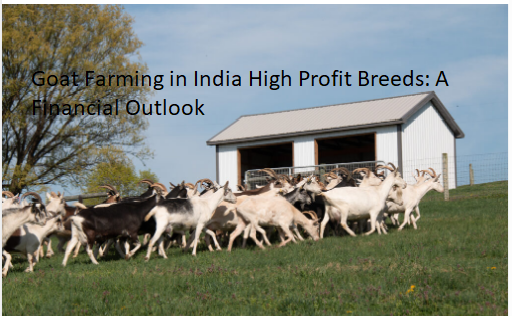
Identifying the most effective livestock for your climate and market is the foundational step for agricultural success. When considering goat farming in India high profit breeds, farmers must focus on animals that offer rapid weight gain, disease resistance, and high reproductive rates. Selecting the right genetics can determine whether your venture breaks even or generates significant returns within the first two years of operation.
The most profitable goat breeds in India are generally those that command high market prices for meat, such as the Boer, Barbari, and Jamunapari, or those renowned for milk production like the Sirohi and Beetal. A commercial farm focusing on meat production can expect a net profit margin of 30% to 40% when managed efficiently with high-growth-rate breeds. Achieving these figures requires careful attention to feed conversion ratios and veterinary care to minimize mortality rates.
Selecting Top-Performing Breeds for Profitability
The financial viability of a farm depends heavily on the breed’s ability to thrive in local environmental conditions. For instance, the Boer goat, while not native to India, is frequently crossbred with local varieties to increase body weight significantly. This crossbreeding strategy is a primary driver for those looking into goat farming in India high profit breeds.
The Barbari breed is highly favored for small-scale and intensive systems due to its small size and high prolificacy. These goats are known for their ability to produce twins or triplets consistently, which accelerates herd growth. They are also highly adaptable, making them a low-risk option for beginners.
The Jamunapari is widely considered the best for dual-purpose farming. These animals are large, long-legged, and produce high-quality milk alongside significant meat yields. Because of their stature, they fetch a premium price in markets during festival seasons, such as Eid, when demand for heavy-weight goats peaks.
Understanding the Economics of Herd Management
Profitability in this sector isn’t just about the breed; it is about the management of the animal’s life cycle. A high-profit model typically involves an intensive or semi-intensive housing system where feed is provided in troughs rather than relying solely on grazing. You must calculate the cost of concentrate feed against the market rate of the animal’s weight.
To maintain high profit margins, you need to monitor the Feed Conversion Ratio (FCR) of your flock. The goal is to ensure that every kilogram of feed results in the maximum possible weight gain. If a breed consumes excessive feed without putting on weight, it becomes a liability regardless of its market reputation.
Investment in preventive healthcare is another critical financial factor. Vaccinations for PPR (Peste des Petits Ruminants) and enterotoxaemia are non-negotiable expenses. A single disease outbreak can wipe out the profit margins of an entire year if your herd is not protected.
Infrastructure Requirements for Commercial Farms
Housing design directly impacts the growth rate and health of your goats. A well-ventilated shed with elevated slatted floors is the gold standard for intensive farms. This setup prevents the accumulation of waste and significantly reduces the risk of foot rot and parasitic infections.
You should allocate approximately 10 to 12 square feet of covered area per adult goat to ensure they have enough space to move comfortably. Overcrowding leads to stress, which suppresses the immune system and slows down growth rates. A stressed goat is an unprofitable goat.
The layout should also include a dedicated area for kidding, which is the process of birthing. Providing a quiet, clean, and warm environment for pregnant does minimizes neonatal mortality. Protecting the kids in their first few weeks is essential for the long-term profitability of your breeding program.
Market Dynamics and Selling Strategies
Selling your livestock at the right time is as important as raising them. Many farmers make the mistake of selling their stock prematurely or waiting too long until the animal’s growth plateaus. The highest prices are often found in urban markets during major religious festivals.
You should establish connections with local butchers, traders, and wholesalers long before your stock is ready for sale. Relying on a single middleman can drastically reduce your profit margins. Diversifying your sales channels allows you to negotiate better prices based on the actual weight and quality of the animal.
Consider the following breakdown of potential income streams in a commercial setup:
- Sale of male kids for meat production at 6 to 9 months.
- Sale of surplus manure as high-quality organic fertilizer for local farms.
- Sale of milk (if the breed is suitable, such as Beetal or Jamunapari).
- Sale of breeding stock to other farmers at a premium price.
- Revenue from skin and hide sales after slaughter.
Feed Optimization for Rapid Growth
Feeding is the single largest expense in goat farming, often accounting for 60% to 70% of total operating costs. To maximize profits, you must balance green fodder, dry fodder, and concentrate feed. Relying exclusively on expensive commercial pellets will erode your bottom line, so cultivating your own fodder is highly recommended.
Leguminous crops like Lucerne and Berseem provide excellent protein content for growing kids. Adding maize or oats to the mix provides the necessary energy to support rapid weight gain. A balanced diet ensures that the animal reaches market weight faster, allowing for more production cycles per year.
Water access is often overlooked, yet it is vital for digestion and health. Goats require clean, fresh water throughout the day to maintain their metabolism. Dehydrated animals will stop eating, which directly impacts their weight and your total revenue.
Comparing Breed Performance Metrics
When evaluating different breeds, look at the growth rate and the mature weight. The following table provides a comparison of common breeds used in Indian commercial farming:
| Breed | Primary Utility | Avg. Mature Weight (kg) | Profitability Profile |
|---|---|---|---|
| Boer Cross | Meat | 60-80 | Very High (Fast growth) |
| Barbari | Meat/Milk | 30-35 | High (Prolific breeder) |
| Jamunapari | Dual-Purpose | 60-70 | High (Premium market) |
| Sirohi | Meat | 40-50 | Moderate (Hardy) |
Managing Breeding and Genetic Quality
Quality genetics are the engine of your farm’s productivity. Investing in a high-quality buck (male) is more important than the quality of your does. A superior buck will pass on fast-growth traits to every kid he sires, whereas a doe only impacts her own offspring.
Keep detailed records of every animal’s birth date, weight at weaning, and growth milestones. This data allows you to identify your best-performing lines and cull the underperformers. You can find more information on breed standards and animal welfare through the Indian Council of Agricultural Research.
Avoid inbreeding at all costs, as it leads to genetic defects and weakened immunity. Introduce a new, unrelated buck every two years to maintain hybrid vigor in your flock. This simple practice keeps your herd healthy and maintains consistent growth rates over generations.
Common Risks and Mitigation Tactics
Every livestock business faces inherent risks, but proactive management can mitigate most of them. Parasitic load is a major silent killer that slows down growth and causes mortality. Implementing a strict deworming schedule based on the advice of a local veterinarian is essential for maintaining productivity.
Predator control is another factor that varies by region. If your farm is near forest areas, ensure your fencing is secure and consider using guard dogs. Protecting your assets is part of the overhead, and failing to do so can result in significant financial losses.
Finally, stay informed about local market trends and price fluctuations. If the market for meat is down, you might pivot toward selling breeding stock or focusing on manure production. Flexibility in your business model acts as a buffer against market volatility.
Frequently Asked Questions
Which breed of goat is most profitable in India?
The profitability of a breed depends on your specific market, but the Boer cross and Jamunapari are generally considered the most profitable for meat production due to their rapid growth and high mature weight. The Barbari is often the most profitable for those with limited space due to its high birth rate.
How much profit can I expect from 100 goats in India?
With an intensive management system using high-growth breeds, a well-run farm can generate a net profit ranging from 3 to 6 lakh rupees annually. This figure fluctuates based on feed costs, labor expenses, and the efficiency of your sales and marketing strategies.
What are the biggest costs in goat farming?
The primary costs are feed and fodder, followed by housing infrastructure and labor. Veterinary care and medicine are also significant but essential to prevent catastrophic losses, while initial capital is required for the purchase of quality foundation stock.
How much land is needed for a commercial goat farm?
For an intensive system, you don’t need large amounts of grazing land because feed is brought to the animals. A farm with 100 goats typically requires about 2,000 to 3,000 square feet for housing and storage, plus additional land if you intend to cultivate your own green fodder.
Is it better to focus on meat or milk production?
In India, the demand for goat meat is consistently higher than the demand for goat milk, making meat production a more reliable source of income for most farmers. However, dual-purpose breeds like the Jamunapari offer a way to diversify income if there is a local market for milk.
Summary and Next Steps
Successful goat farming in India high profit breeds requires a combination of genetic selection, disciplined feeding, and strategic market timing. By prioritizing breeds known for rapid weight gain and high reproductive rates, you create a stronger foundation for your business. Remember that your profit is determined not just by the sale price, but by how efficiently you convert feed into weight while keeping mortality low.
Begin by researching the specific demand in your local district to ensure you are raising the right type of animal for your buyers. Consult with local veterinary officers to establish a health protocol before bringing your first herd home.
With a focus on data-driven management and consistent care, you can build a sustainable and lucrative enterprise in the livestock sector. Reach out to local agricultural extension offices to connect with other farmers in your region for ongoing support and networking.
