

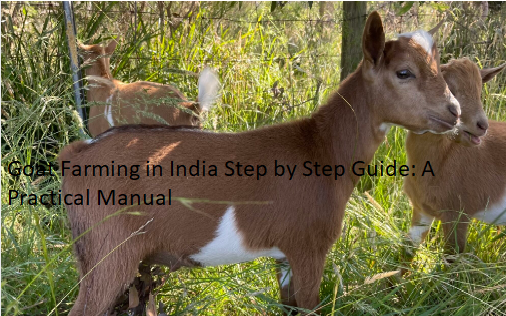
Starting a successful livestock venture requires careful planning, and following a goat farming in India step by step guide helps mitigate common financial risks. India boasts one of the world’s largest goat populations, making this sector a cornerstone of rural livelihoods and a growing commercial opportunity. By understanding breed selection, housing requirements, and health management, you can transform a small-scale operation into a sustainable business.
This article provides the foundational knowledge needed to navigate the industry effectively, helping you move from initial research to active management. Whether you aim for subsistence or large-scale production, clarity on these operational phases will be your most valuable asset.
The initial investment for a small-scale commercial goat farm in India typically ranges from ₹5,00,000 to ₹15,00,000, depending on the scale and infrastructure. For a unit of 100 goats, you generally require approximately 2,000 to 3,000 square feet of covered shed area, plus additional space for grazing or fodder cultivation. Profitability depends heavily on feed management, which accounts for about 60-70% of total operational costs.
A well-managed farm can expect a net profit margin of 20% to 30% after accounting for mortality rates, veterinary expenses, and marketing overheads. Achieving these results requires strict adherence to vaccination schedules and a consistent supply of high-quality green fodder.
Selecting the Right Breed for Your Climate
Breed selection is the most critical decision in your goat farming in India step by step guide because local adaptability dictates survival rates. India features diverse agro-climatic zones, and a breed thriving in Rajasthan may struggle in the humid conditions of Kerala. You must choose animals that are hardy, disease-resistant, and suited to your specific regional forage availability.
Popular meat-producing breeds include the Black Bengal, known for its high prolificacy and superior meat quality, and the Osmanabadi, which is highly resistant to local diseases. If your focus is on milk production, the Jamnapari or Barbari breeds are excellent choices. Consult with local veterinary officers or experienced breeders in your district before purchasing your foundation stock.
Always prioritize purchasing from government-recognized breeding farms or reputable private breeders to avoid bringing sick animals into your herd. Observe the animals for signs of vitality, such as a bright coat, clear eyes, and active movement. Avoid goats that appear lethargic or have nasal discharges, as these are often indicators of underlying health issues.
Infrastructure and Housing Requirements
Goats require clean, dry, and well-ventilated housing to prevent respiratory infections and parasitic infestations. A raised platform system, often built with bamboo or wooden slats, is highly recommended to keep the animals off the ground. This design facilitates easy cleaning and prevents the accumulation of urine and feces, which are primary sources of ammonia and pathogens.
Ensure your shed has a height of at least 8 to 10 feet to allow for proper air circulation. Orient the shed in an east-west direction to protect the animals from direct harsh sunlight while allowing sufficient morning light. You must also include a separate quarantine area to isolate new arrivals or sick animals for at least 15 to 21 days.
Adequate fencing is essential to protect your herd from predators and to prevent them from wandering into neighboring fields. Use chain-link fencing or sturdy woven wire that is buried at least 6 inches deep to stop burrowing animals. Provide a dedicated area for water troughs and mineral lick blocks, as hydration and trace mineral intake are vital for weight gain.
Nutrition and Fodder Management
Feeding is the largest recurring expense in goat farming, and optimizing this is vital for profitability. Goats are browsers, not just grazers, meaning they prefer a mix of grasses, leaves, and shrubs. You should aim to provide a balanced diet consisting of 60% green fodder and 40% dry fodder, supplemented with mineral mixtures.
Cultivating your own fodder is the most effective way to reduce costs. Crops like CO-4 grass, Lucerne, and Stylo provide high protein content and grow well in most Indian soil conditions. If you lack sufficient land for cultivation, enter into agreements with nearby farmers to purchase crop residues like maize stalks or wheat straw.
| Feed Category | Primary Source | Benefit |
| :— | :— | :— |
| Green Fodder | CO-4, Napier, Lucerne | High protein, gut health |
| Dry Fodder | Wheat/Paddy straw | Essential fiber, rumen function |
| Concentrates | Maize, Bran, Oil cakes | Rapid weight gain, energy |
| Mineral Mix | Commercial supplements | Bone health, fertility |
Healthcare and Disease Prevention
A proactive health strategy is far cheaper than treating an outbreak of diseases like PPR (Peste des Petits Ruminants) or enterotoxemia. You must maintain a strict vaccination calendar, working closely with a local veterinarian to track doses. Regular deworming, usually performed every 3 to 4 months, is mandatory to ensure the animals effectively absorb the nutrients from their feed.
Common symptoms of illness include loss of appetite, diarrhea, coughing, and dull eyes. If you notice these signs, isolate the affected goat immediately to prevent the spread to the rest of the herd. Maintain a medicine cabinet stocked with basic supplies like antiseptic sprays, thermometers, and oral rehydration salts.
Hygiene is the frontline defense against foot rot and skin conditions. Regularly disinfect the shed floor and ensure the animals have access to clean, potable water at all times. For official health guidelines and regional disease alerts, refer to the resources provided by the Department of Animal Husbandry and Dairying.
Breeding and Reproduction Cycles
Efficient breeding management ensures a steady supply of kids and maintains the productivity of your herd. Goats typically reach sexual maturity between 7 and 10 months of age, but it is better to wait until they reach 70% of their adult body weight before breeding. A healthy doe can produce two litters a year, provided she receives adequate nutrition and rest.
Keep detailed records of every animal, including birth dates, vaccination history, and breeding cycles. This data allows you to identify your most productive does and the best-performing bucks, which is crucial for genetic improvement. Selective breeding over several generations will significantly increase the growth rate and disease resistance of your stock.
Monitor the signs of estrus, which include restlessness, tail wagging, and mounting behavior. If you do not have your own buck, consider artificial insemination (AI) if the facility is available in your region. AI allows you to introduce superior genetics into your herd at a lower cost than purchasing a high-quality breeding buck.
Marketing and Sales Strategy
Understanding your local market is a critical component of any goat farming in India step by step guide. Many farmers focus solely on production and neglect the logistics of selling. Identify potential buyers early, such as local meat shops, wholesale traders, or even direct-to-consumer sales during festivals.
Festivals like Eid-ul-Adha provide the highest demand and price points for healthy, well-fed goats. You should time your breeding cycles so that your kids reach market weight (typically 20-30 kg) just before these peak demand windows. Establishing a brand or a reputation for quality, disease-free animals can help you command a premium price over standard market rates.
Consider diversifying your income streams by selling manure as organic fertilizer, which is in high demand among vegetable farmers. Some commercial farms also process goat milk into specialty cheeses or soaps, though this requires additional investment in processing equipment. Always maintain transparency with your buyers to build long-term relationships and ensure recurring sales.
Financial Planning and Government Subsidies
Before purchasing your first animal, draft a detailed project report to present to your bank for a loan. Many state governments in India offer subsidies and low-interest loans for livestock development through the NABARD (National Bank for Agriculture and Rural Development) schemes. These programs are designed to encourage entrepreneurship in rural areas and can significantly lower your initial capital burden.
Your budget should include a contingency fund for unexpected costs, such as emergency veterinary care or sudden spikes in feed prices. Track every transaction, from the cost of a single bale of hay to the final sale price of a goat. This rigorous financial discipline distinguishes hobbyists from successful commercial farmers.
* Register your farm with the local veterinary department.
* Apply for insurance policies to cover your livestock against accidents and disease.
* Maintain a daily logbook of feed consumption and weight gain.
* Participate in local agricultural exhibitions to network with suppliers.
* Keep your tax and business registration documents updated.
Common Challenges and Mitigation
One of the most common challenges is high kid mortality, often caused by poor nutrition or improper housing during the monsoon season. You can mitigate this by providing extra warmth and dry bedding for newborns. Ensure that kids receive colostrum from their mothers within the first few hours of birth to boost their immune systems.
Predation and theft are also significant risks in certain regions. Investing in good security, such as solar-powered lighting and a night watchman, can prevent substantial losses. Furthermore, climate change is increasingly affecting forage availability, so maintaining a buffer stock of dry fodder is a prudent management practice.
Lack of technical knowledge often leads to early failure. Never hesitate to attend training workshops conducted by local Krishi Vigyan Kendras (KVKs). Engaging with a community of fellow farmers allows you to share experiences and solve problems collectively, which is often more effective than working in isolation.
Frequently Asked Questions
What is the minimum land required for 100 goats?
You need about 2,000 to 3,000 square feet for the housing unit itself. If you plan to grow your own fodder, you will need an additional 1 to 2 acres of land depending on the crop yield.
How much profit can I expect from 100 goats?
Profit margins generally sit between 20% and 30%. With proper management, a 100-goat unit can yield a net annual profit of several lakhs, but this varies based on your local market prices for meat and fodder.
Which goat breed is best for beginners in India?
Hardy, local breeds like the Osmanabadi or Black Bengal are usually recommended. They are well-adapted to the local environment, require less specialized care, and have high disease resistance.
Is there a government subsidy for goat farming?
Yes, NABARD and various state-level animal husbandry departments provide subsidies and credit-linked schemes. You must submit a project report to your local bank to apply for these financial aids.
How often should I deworm my goats?
Deworming should be done every 3 to 4 months, or as advised by your local veterinarian. Always rotate the type of dewormer used to prevent the parasites from developing resistance.
Conclusion
Starting a business in this sector offers significant potential for growth when approached with diligence and a clear plan. By following this goat farming in India step by step guide, you can establish a foundation that prioritizes animal health, efficient nutrition, and sound financial management. Remember that success in livestock farming is rarely instantaneous; it is built through consistent daily care and a willingness to adapt to the specific needs of your herd.
Start small, track your metrics closely, and expand your operations only after you have mastered the basics of local production. As you become more experienced, the nuances of the trade will become second nature, allowing you to scale your operation sustainably. If you have questions about specific regional requirements, contact your local veterinary office to begin your journey.
