

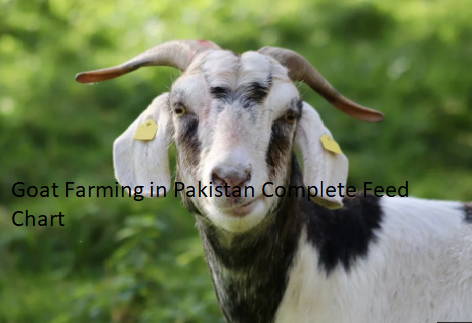
Developing a successful goat farming in pakistan complete feed chart requires understanding the specific nutritional demands of local breeds like Beetal, Kamori, and Teddy. Farmers often struggle with balancing cost-effective fodder with the high-energy requirements needed for fast weight gain and milk production. By establishing a clear, science-backed schedule, you can significantly reduce mortality rates and increase your profitability.
This article provides the essential data, nutritional ratios, and management strategies necessary to maintain a healthy and productive herd throughout the year.
The Foundation of Goat Nutrition
Goats are ruminants, meaning they possess a complex digestive system designed to process fibrous plant material. In the context of a goat farming in pakistan complete feed chart, you must prioritize the balance between dry matter intake and nutrient density.
An adult goat generally requires approximately 3% to 4% of its body weight in dry matter daily to maintain health. If you ignore this ratio, your animals will likely suffer from stunted growth or reduced milk yields.
Quality forage serves as the backbone of any feeding program in local climates. While free-range grazing is common, it rarely provides the consistent nutrition needed for commercial success. You should supplement grazing with high-protein concentrates to fill the nutritional gaps.
Always ensure that clean, fresh water is available at all times, as dehydration is the leading cause of poor performance in local herds.
Essential Components of the Feeding Chart
A professional feeding regimen must categorize nutrients into three main pillars: green fodder, dry roughage, and concentrate mixtures. Green fodder provides the necessary vitamins and moisture, while dry roughage like wheat straw offers the essential fiber for rumen health. Concentrates are the most expensive part of the equation, but they are vital for finishing goats for market.
The following table outlines the daily feeding requirements for a standard meat-producing goat weighing roughly 40 kilograms. These figures are averages and should be adjusted based on the specific breed and activity level of the animals.
| Feed Category | Daily Amount (Approximate) | Purpose |
|---|---|---|
| Green Fodder | 3.0 – 4.0 kg | Vitamins and hydration |
| Dry Roughage | 0.5 – 1.0 kg | Fiber and rumen function |
| Concentrate Mix | 300 – 500 grams | Protein and energy |
| Mineral Block | Ad libitum | Trace elements |
Designing a Seasonal Feeding Strategy
Seasonal availability dictates the flow of your goat farming in pakistan complete feed chart. During the monsoon season, green fodder is abundant, but the high moisture content can lead to digestive issues if not balanced with dry hay. Conversely, the winter months often see a shortage of fresh greens, necessitating the use of silage or stored hay.
You must adapt your strategy to ensure the cost of feed doesn’t consume your entire profit margin. Buying seasonal grains like wheat bran or cottonseed cake in bulk during harvest time is a proven way to reduce expenses. Store these items in a dry, rodent-proof facility to maintain their nutritional integrity throughout the year.
Consistency in your feeding schedule is just as important as the quality of the feed itself.
The Role of Concentrate Mixtures
Concentrates are the secret to rapid weight gain in commercial operations. A typical homemade mix should include energy sources like maize or barley, protein sources like soybean meal or cottonseed cake, and a small amount of wheat bran for bulk. You should aim for a crude protein content of approximately 14% to 16% for growing kids.
It is critical to introduce new feed types gradually to avoid bloat and acidosis. Sudden changes in diet can disrupt the delicate balance of microbes in the goat’s rumen. Always mix new batches with the old feed over a period of 5 to 7 days.
This gradual transition allows the animal’s digestive system to adapt to the new nutrient profile without stress.
Managing Herd Milestones
Different life stages require distinct adjustments to your nutrition plan. Lactating does have significantly higher protein and calcium requirements to support milk production. If you fail to provide this, the doe will lose body condition rapidly, which may lead to breeding complications in the next cycle.
Young kids require a diet that supports skeletal development rather than just fat accumulation. Providing high-quality alfalfa or clover hay during the weaning phase is highly recommended. For more information on livestock standards, consult the Food and Agriculture Organization of the United Nations for global best practices in animal nutrition.
Following these professional standards ensures your herd stays competitive in the local market.
Water and Mineral Supplementation
Many farmers overlook the importance of mineral blocks in their daily routine. Goats in this region often face deficiencies in minerals like phosphorus, selenium, and copper. These deficiencies can lead to poor coat condition, weak hooves, and increased susceptibility to common diseases.
Water quality is equally significant to your overall production. A goat will drink anywhere from 4 to 10 liters of water daily, depending on the temperature and the type of feed. If the water source is contaminated, you risk introducing parasites that can wreak havoc on your herd.
Regularly clean water troughs and ensure they are shaded to prevent excessive heating in the summer sun.
Avoiding Common Feeding Mistakes
One of the most frequent errors in small-scale operations is relying solely on kitchen scraps or low-quality waste. While these can be used as a minor supplement, they lack the balanced profile required for healthy growth. Over-feeding grains is another common issue that leads to metabolic disorders and excessive fat deposition.
It is also dangerous to feed moldy or fermented grain to your animals. Even small amounts of aflatoxins can cause long-term liver damage and reproductive failure. Always inspect your feed bags for signs of moisture or insect infestation before distributing them.
If you suspect the feed is compromised, discard it immediately rather than risking the health of your herd.
Maximizing Profitability Through Efficiency
Efficiency in feed management is the primary driver of net profit. You can minimize waste by using raised feeding troughs that prevent the goats from trampling their food. When goats step on their feed, they contaminate it with manure, leading to parasite transmission and significant financial loss.
Consider the following list of best practices for maintaining a cost-efficient operation:
-
- Use chaff cutters to reduce fodder waste by up to 30%.
-
- Group animals by age and weight to ensure uniform feeding.
-
- Purchase feed ingredients in bulk during the off-season.
-
- Implement a strict deworming schedule to ensure feed is fully absorbed.
-
- Monitor daily weight gain to identify underperforming animals early.
Frequently Asked Questions
What is the ideal protein percentage for growing goats?
For growing kids, a protein content between 14% and 16% is recommended. This supports rapid muscle development and bone growth during their most critical developmental phase.
How often should I provide mineral blocks?
Mineral blocks should be available 24/7. Goats are excellent at self-regulating their mineral intake if the blocks are accessible, preventing specific nutrient deficiencies.
Can I feed goats only wheat straw?
No, wheat straw is low in protein and energy and should only be used as a fiber source. It must be supplemented with green fodder and high-protein concentrates to meet basic health requirements.
How do I know if my feeding chart is working?
The best indicator is the body condition score (BCS) and daily weight gain. If your animals appear lethargic or are losing weight despite regular feeding, you should review the nutrient density of your rations.
Is it better to graze or stall-feed?
Stall-feeding allows for better control over nutrient intake and health management. While grazing is natural, it exposes the herd to parasites and unpredictable nutrition, making stall-feeding more efficient for commercial operations.
Conclusion
Building a sustainable operation requires a commitment to scientific management and consistent monitoring. By utilizing a goat farming in pakistan complete feed chart, you create a baseline that allows you to track progress and make data-driven decisions. Remember that nutrition is the largest variable cost, but it is also the most significant factor in your final output. Start by auditing your current feed sources and making small, incremental improvements to your daily ratios. As you observe the health and growth of your herd, you will find that these adjustments pay for themselves through improved market prices and lower veterinary costs. Engagement with local agricultural experts and continuing to refine your practices based on real-world results will ensure your long-term success in this rewarding industry.
