

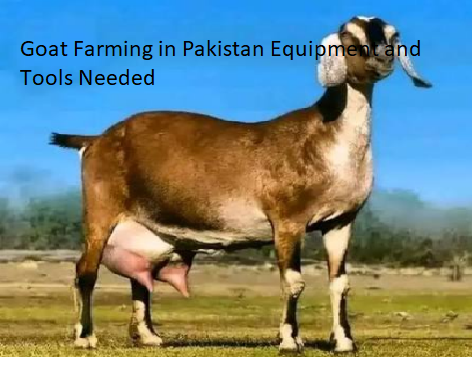
Understanding the specific goat farming in Pakistan equipment and tools needed is the first step toward building a profitable livestock enterprise. Whether you are managing a small herd of ten goats or scaling up to a commercial operation of several hundred, having the right gear directly impacts your animal health, labor efficiency, and overall profit margins. Local farmers often struggle with high mortality rates because they lack basic handling and sanitation infrastructure.
By investing in durable, locally available, or custom-fabricated tools, you can minimize stress on your animals and significantly reduce the time spent on daily maintenance tasks. This article outlines the essential assets required for a successful setup in the Pakistani climate.
To ensure your operation runs smoothly, you must prioritize hygiene, feeding efficiency, and animal safety. The fundamental list of goat farming in Pakistan equipment and tools needed includes housing structures, feeding systems, sanitation kits, and medical tools. You don’t need to import expensive European machinery to succeed in this industry.
Most of the necessary items can be sourced from local fabricators in cities like Lahore, Faisalabad, or Karachi. Focus on materials that are easy to clean and resistant to the humid or arid conditions prevalent in your specific region.
Essential Housing and Shelter Infrastructure
Your goats require a dry, well-ventilated space to thrive, especially during the monsoon season. The most critical piece of equipment is a raised platform floor, often called a “slatted floor,” which prevents the buildup of urine and feces.
Building these with bamboo or wooden slats allows waste to fall through to a collection area below, keeping the animals’ hooves dry and preventing foot rot. You should construct these shelters with a minimum height of three to four feet above the ground to facilitate easy cleaning.
Ventilation is non-negotiable in the harsh Pakistani heat. If you are using a closed shed, install roof vents or exhaust fans to prevent ammonia buildup from animal waste.
A simple metal or wooden frame with wire mesh siding works well in most provinces. Ensure the roofing material, whether it is corrugated iron or thatch, is insulated to keep the interior temperature manageable during peak summer.
Feeding and Watering Systems
Efficient feeding is the backbone of any productive farm. You need elevated feeding troughs to prevent goats from trampling their fodder, which reduces feed waste by up to 20% to 30%.
Metal or heavy-duty plastic troughs that hook onto the side of the pen are standard. They should be placed at the chest height of the goats to encourage natural eating postures.
Watering systems are equally important for maintaining weight gain and milk production. Automatic nipple drinkers or gravity-fed water bowls save you the labor of manual hauling.
A single goat consumes roughly 4 to 8 liters of water per day depending on the temperature. Ensure your water storage tank is elevated to create enough pressure for the drinkers to function correctly.
Sanitation and Waste Management Tools
Maintaining a hygienic environment prevents the spread of common diseases like Peste des Petits Ruminants (PPR). You need a dedicated sprayer for routine disinfection of the pens.
A portable knapsack sprayer, commonly used for crops, is perfectly suited for sanitizing animal sheds. Stockpile high-quality veterinary-grade disinfectants and lime powder to treat the ground area beneath the raised floors.
Waste management is both a sanitation requirement and a potential revenue stream. Invest in a wheelbarrow with a heavy-duty frame to transport manure to a composting area.
Dried goat manure is a highly sought-after organic fertilizer in the Pakistani agricultural market. By centralizing your waste collection, you turn a disposal problem into an additional income source for your farm.
Veterinary and Medical Kits
Having a localized medical kit is essential for managing emergencies without waiting for a veterinarian. Your kit should include a digital thermometer, a set of hoof trimmers, a stomach tube for bloat, and basic wound care supplies. Hoof rot is common in humid areas, so having a sharp, reliable hoof cutter is one of the most important pieces of goat farming in Pakistan equipment and tools needed for foot health.
Keep an inventory of basic antibiotics, dewormers, and antiseptic sprays in a locked, cool cabinet. Temperature control is vital, as many vaccines become ineffective if left in the heat.
A small solar-powered refrigerator or a high-quality insulated cooler box is a smart investment for remote farms lacking consistent electricity. Always keep the contact details of the local district livestock officer pinned to the inside of your medicine cabinet.
Identification and Record-Keeping Tools
Tracking individual animal performance is the difference between a hobbyist and a business owner. Use ear tags or neck chains to identify each goat for breeding and medical record-keeping.
Plastic ear tags are affordable and easy to apply with a standard applicator gun. You should maintain a logbook or a simple digital spreadsheet that tracks birth dates, vaccination schedules, and weight milestones.
Monitoring weight gain is critical for meat production breeds like the Beetal or Kamori. A hanging spring scale or a digital platform scale allows you to track growth rates accurately.
If you are marketing your goats for Eid-ul-Adha, knowing the exact weight of your animals helps you price them correctly. Weighing them every month provides the data needed to adjust your feeding ratios.
Comparison of Standard Farm Infrastructure
The following table summarizes the basic requirements for a small-scale operation versus a medium-sized commercial farm.
| Equipment Category | Small Scale (10-20 Goats) | Medium Scale (50+ Goats) |
|---|---|---|
| Shelter Flooring | Wooden Slats | Raised Metal/Bamboo Mesh |
| Feeding Troughs | Hand-made Wooden/Plastic | Galvanized Metal Feeders |
| Watering | Manual Buckets | Automatic Nipple Drinkers |
| Weighing | Manual Scale | Digital Platform Scale |
| Disinfection | Hand Sprayer | Power Sprayer |
Safety and Handling Gear
Working with a large herd requires tools that ensure both human and animal safety. A simple head clamp or “chute” is incredibly useful for restraining a goat during vaccination or hoof trimming.
You can build these out of scrap metal pipes locally for a fraction of the cost of imported units. Using a chute prevents the animal from thrashing, which reduces the risk of injury to the handler and the goat.
Consider the layout of your farm to include a loading ramp if you plan to sell animals frequently. A portable ramp made of non-slip material makes moving goats into trucks much easier and less stressful.
Stress reduction is key to maintaining meat quality and preventing weight loss during transport. Keep a few sturdy ropes and a sorting gate on hand to separate aggressive or sick animals from the main group.
Commonly Recommended Tools List
To summarize your initial procurement list, focus on these essential items that every goat farmer should prioritize.
- Hoof Trimmers: Essential for preventing foot rot and lameness.
- Ear Tag Applicator: Allows for individual tracking and management.
- Digital Thermometer: The first diagnostic tool for detecting fever or illness.
- Knapsack Sprayer: Critical for maintaining hygiene and controlling parasites.
- Platform Scale: Necessary for monitoring growth and calculating feed efficiency.
- Stomach Tube: A life-saving tool for treating bloat in grazing animals.
- Galvanized Feeders: Durable, easy to clean, and long-lasting compared to wood.
- Protective Gloves and Aprons: Basic safety gear for handling medication and cleaning.
Frequently Asked Questions
What is the minimum land required for 100 goats?
For a semi-intensive system where you supplement grazing with cut-and-carry fodder, you generally need about 0.5 to 1 acre for the shed and exercise yard. If you intend to grow your own fodder to cut costs, you will need significantly more land, often 3 to 5 acres depending on the crop yield. The specific density depends on the breed, as larger breeds like the Beetal require more space than smaller mountain goats.
How do I choose the right hoof trimmer?
You should look for a double-action hoof trimmer made of high-carbon steel. These provide the leverage needed to cut through tough hoof walls without excessive force.
Ensure the blades are replaceable or can be easily sharpened, as they will dull quickly with regular use on hard ground. Avoid cheap, thin metal shears that may bend during use.
Is automatic watering worth the investment for a small farm?
Yes, because it ensures that animals have access to fresh water 24/7, which is the single most important factor for milk production and weight gain. Manual buckets often become contaminated with fecal matter or debris, leading to waterborne diseases. Automatic drinkers are relatively inexpensive and pay for themselves by reducing labor and improving overall herd health.
How often should I weigh my goats?
For optimal management, you should weigh your goats once a month. This helps you identify which animals are not gaining weight, allowing you to isolate them for health checks or dietary adjustments. Consistent weighing is especially important during the finishing phase before they are sent to market for meat.
Where can I find reputable veterinary supplies in Pakistan?
Most major cities have specialized livestock supply stores located near agricultural markets or university veterinary departments. You can also consult the Pakistan Agricultural Research Council for guidance on approved veterinary products and local distribution networks. Always verify that the products you purchase are registered and have not passed their expiration date.
Conclusion
Starting a livestock business requires a strategic approach to capital allocation. Focusing on the right goat farming in Pakistan equipment and tools needed ensures your operation is built on a foundation of hygiene, efficiency, and animal welfare. By prioritizing raised flooring, automatic watering, and consistent record-keeping, you mitigate the most common risks that plague new farmers.
Remember that your equipment is an investment in the long-term health of your herd. Start with the essentials—hoof trimmers, basic medical kits, and sturdy feeders—and scale your infrastructure as your profits grow.
Engage with local farmers and regional livestock experts to learn which specific materials hold up best in your local climate. Your commitment to quality infrastructure today will dictate the scalability and success of your farm in the years to come.
