

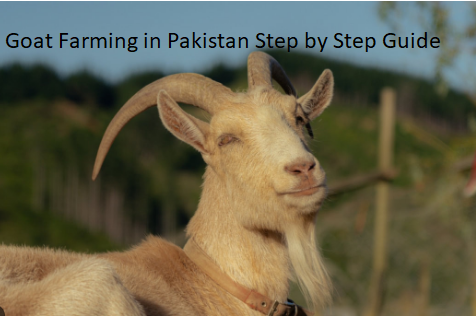
Starting a successful livestock enterprise begins with understanding the specific nuances of goat farming in Pakistan step by step guide. This sector serves as a vital economic engine for rural households, providing milk, meat, and fiber to a growing domestic and international market.
By focusing on proper breed selection, health management, and nutritional planning, you can transform a small-scale operation into a profitable agricultural asset. This article outlines the essential phases of establishing your farm, ensuring you have the technical knowledge required to manage your herd effectively while minimizing common risks.
To start a commercial goat farm in Pakistan, you should budget between PKR 500,000 and PKR 1,500,000 for a small-to-medium setup of 20 to 50 goats. This initial capital covers the purchase of foundation stock, shed construction, basic equipment, and at least six months of operational feed costs.
Beginners must realize that your primary expenses are not just the animals, but the infrastructure that keeps them disease-free and productive. A successful entry requires a disciplined approach to biosecurity and market analysis before you buy your first goat.
Selecting the Right Breeds for Your Climate
Pakistan boasts a diverse range of goat breeds, each adapted to specific provincial climates and production goals. Choosing the wrong breed for your region is the fastest way to lose money, as heat stress or lack of forage will stunt growth.
The Beetal goat, for instance, is highly prized in Punjab for both milk production and meat quality. It is a large breed that thrives in stall-fed conditions, making it ideal for intensive farming systems.
If you are operating in the arid regions of Sindh or Balochistan, you might consider the Kamori or Kajli breeds. These animals are naturally hardy and can withstand higher temperatures with less supplemental water.
Always source your initial herd from reputable breeders who provide vaccination records. Never purchase animals from random roadside markets without a professional veterinarian verifying their health status first.
Designing Efficient Farm Infrastructure
Your housing strategy should prioritize ventilation and protection from extreme weather. A well-designed shed for a goat farming in Pakistan step by step guide should have a raised floor or a clean, dry concrete base to prevent foot rot. Goats are highly sensitive to respiratory infections, so ensure that your shed walls have enough open space for airflow without creating direct, cold drafts.
Include a dedicated isolation pen for new arrivals or sick animals. This prevents the spread of contagious diseases like Peste des Petits Ruminants (PPR) throughout your healthy herd.
You should also incorporate a feeding trough design that prevents wastage, as feed costs usually account for 60% to 70% of your total monthly expenditure. Proper space management allows for at least 10 to 12 square feet per adult goat.
Nutritional Requirements and Feed Management
Goats are browsers, not grazers, meaning they prefer shrubs and leaves over flat grass. A balanced diet should consist of a mix of green fodder, dry hay, and concentrated feed to ensure optimal weight gain. During the winter months, when green fodder is scarce, you must have a stockpile of silage or high-quality hay to maintain milk production and growth rates.
| Feed Type | Purpose | Frequency |
| :— | :— | :— |
| Green Fodder | Digestion & Hydration | Daily |
| Concentrated Feed | Protein & Energy | Twice Daily |
| Mineral Blocks | Micronutrient Balance | 24/7 Access |
| Clean Water | Vital Metabolism | Ad Libitum |
Always provide fresh, clean water at all times. Dehydration is a leading cause of decreased productivity in goats, especially in the intense summer heat. You can learn more about specific nutritional standards through the Food and Agriculture Organization of the United Nations, which provides global benchmarks for small ruminant husbandry.
Implementing a Vaccination Schedule
Disease prevention is significantly cheaper than treatment in the livestock industry. You must establish a strict immunization calendar to protect your herd from common local threats.
PPR, Enterotoxemia, and Foot-and-Mouth Disease are the most lethal risks for goat farmers in the region. Work with a local veterinarian to create a schedule that aligns with the seasonal disease patterns in your specific district.
Regular deworming is equally critical for weight management. Parasites often go unnoticed until the animal begins to lose body condition and show signs of anemia.
By implementing a quarterly deworming rotation, you ensure that your goats are absorbing the nutrients from their feed rather than feeding internal parasites. Keep a written log of every injection and treatment administered to each animal.
Managing Reproductive Health
A profitable farm relies on a high kidding rate and healthy offspring. A single healthy doe should produce at least three kids every two years under good management.
Monitor your breeding bucks closely, as their genetics will dictate the growth rate and meat quality of your future generations. Do not allow inbreeding, as this leads to genetic defects and weakened immunity in the long term.
Track your kidding dates and keep records of birth weights. A healthy kid should be able to stand and nurse within the first hour of life.
If you notice a mother rejecting her offspring, you must be prepared to bottle-feed them with colostrum to ensure they receive the antibodies necessary for survival. Proper care during the first 30 days of a kid’s life is the most important factor in reducing mortality.
Marketing and Sales Strategies
Understanding the market cycle is essential for maximizing your profit margins. The demand for goats in Pakistan spikes significantly during the weeks leading up to Eid-ul-Adha.
Plan your breeding cycle so that your animals reach peak market weight exactly four to six weeks before this festival. You can command significantly higher prices by selling directly to consumers rather than through middlemen at the mandi.
Consider diversifying your income streams to stabilize cash flow throughout the year. While meat is the primary product, you can also sell goat manure as high-quality organic fertilizer to local farmers.
If you are keeping dairy breeds, you can market raw milk to local households or process it into products like yogurt or cheese. Creating a brand for your farm, even on a small scale, helps build trust with local buyers.
Common Financial Pitfalls
Many new farmers fail because they underestimate the impact of indirect costs. Transportation, labor, electricity for pumps, and unexpected veterinary emergencies can quickly drain your reserves.
Always keep an emergency fund equivalent to at least three months of operating costs. Avoid purchasing expensive, fancy breeds until you have mastered the basics with more affordable, indigenous stock.
Monitor your “cost per kilogram” of weight gain regularly. If a goat is consuming more feed than its market value increase justifies, you need to re-evaluate your feeding strategy immediately.
Keep detailed financial records of every rupee spent on medicine, feed, and labor. Without precise data, you are merely guessing at your profit margins rather than managing a business.
Professional Best Practices for Growth
Successful farming requires continuous learning and adaptation to new methods. Attend workshops held by local agricultural universities or government livestock departments to stay updated on modern farming techniques.
Networking with other successful farmers in your region can provide you with insights into local market trends and shared resources. Always keep your farm environment clean, as hygiene is the best marketing tool you have.
* Maintain a strict record-keeping system for every goat.
* Perform daily health checks during morning feeding sessions.
* Rotate grazing areas to prevent soil depletion and parasite buildup.
* Build strong relationships with local butchers and livestock traders.
* Prioritize the comfort and stress levels of the animals to improve growth.
Frequently Asked Questions
What is the minimum land required for 100 goats?
You generally need about 1,000 to 1,500 square feet of covered shed space for 100 goats, plus additional land if you plan to grow your own fodder. If you are practicing intensive stall-feeding, you can manage 100 goats on a much smaller plot of land by purchasing feed externally.
How do I identify a healthy goat before purchasing?
Look for bright, clear eyes, a shiny coat, and a steady gait. Check the animal’s teeth to estimate its age, and feel its spine and ribs to ensure it is not emaciated. Always ask to see the animal eat and move before finalizing any transaction.
How much profit can I expect from a small farm?
Profit margins vary based on your input costs and how effectively you market your animals. Generally, well-managed farms target a net profit margin of 20% to 30% per animal per cycle. Success depends heavily on your ability to minimize mortality and optimize feed efficiency.
Is goat farming in Pakistan profitable for beginners?
Yes, it is highly profitable if you treat it as a business rather than a hobby. Beginners who focus on learning the basics of disease prevention and market timing tend to see success within the first two years. Start small, learn the ropes, and scale up only after you have achieved consistent results.
Which month is best to start a goat farm?
It is generally best to start your farm in the spring or late autumn to avoid the extreme stresses of the peak summer heat. Starting when the weather is mild allows the animals to acclimatize to your farm environment without the added pressure of heat-related illness.
Conclusion
Establishing a successful operation requires a blend of agricultural skill and business discipline. By following this goat farming in Pakistan step by step guide, you can mitigate many of the risks that typically cause new ventures to fail. Focus on starting with a manageable herd size, investing in high-quality housing, and maintaining rigorous health protocols to ensure long-term sustainability.
The market for quality goat products remains strong and continues to grow as consumer demand for protein increases. Consistent record-keeping and a proactive approach to animal welfare will ultimately determine your success in this rewarding industry. Start by identifying your local market needs, secure your foundation stock from reliable sources, and stay committed to the daily requirements of your herd to see your investment flourish.
