

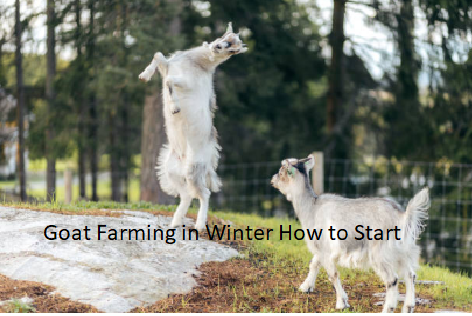
Understanding goat farming in winter how to start requires a focus on shelter, nutrition, and moisture control to ensure your herd survives the freeze. Many beginners assume goats are fragile, but with the right preparation, they handle cold climates remarkably well. You need to prioritize dry bedding and wind protection before the first frost arrives.
This article outlines the practical steps for maintaining a healthy, productive herd throughout the coldest months of the year. By mastering these basics, you’ll minimize losses and keep your animals thriving until spring.
To successfully begin your winter goat operation, you must first secure a draft-free environment. Goats are susceptible to pneumonia when exposed to cold winds, even if the temperature itself isn’t extreme.
You should ensure their barn is ventilated at the top to allow ammonia to escape, but keep the lower sections sealed against drafts. A solid structure with three enclosed sides facing away from prevailing winds is the minimum requirement for winter safety.
Moisture is the primary enemy of a wintering goat. If the air inside the shelter is humid or the bedding is damp, the animal’s coat will lose its insulating properties. You should change the bedding frequently, using deep litter methods if you are experienced in managing internal heat generation. Clean, dry straw or wood shavings are essential to keep their hooves and udders healthy during freezing nights.
Nutritional Requirements for Cold Weather
Goats require significantly more energy during winter to maintain their core body temperature. You should increase their hay intake, as the fermentation process in the rumen generates internal heat.
A goat can consume 3 to 5 pounds of high-quality hay per day depending on its breed and size. If you see the temperature dropping below freezing, provide extra forage to help them stay warm through the night.
Water management is equally critical because goats will drink less if the water is icy. You must ensure they have access to liquid water at all times to prevent impaction colic. Using a heated water trough or a tank heater is an investment that pays off by keeping the herd hydrated. A mature goat needs approximately 1 to 2 gallons of water daily, even when it is snowing outside.
Draft-Free Housing Strategies
When planning your shelter, focus on the direction of the wind. Most regions experience winter storms from a specific direction, usually the north or west.
You can use plywood or heavy-duty tarps to seal gaps in the barn walls. Do not over-insulate the building, as this can trap moisture and lead to respiratory illnesses.
The floor of your goat barn should be raised slightly above the surrounding ground level. This prevents water from pooling inside the structure during snowmelt or freezing rain.
If your barn floor is dirt, ensure it has a layer of gravel or sand underneath the bedding to improve drainage. You should monitor the bedding daily for wet spots and remove them immediately to prevent foot rot.
Managing Herd Health in Winter
Winter is a common time for internal parasites to become dormant, but it is also when goats are most stressed. You should perform a FAMACHA score check before the deep winter sets in to assess anemia levels.
Keep a close eye on their body condition scores by feeling their spine and ribs regularly. If a goat loses weight quickly, it may need isolation and supplemental grain to recover.
Vaccinations should be administered before the weather turns bitter to ensure the animals have immunity. Consult your local veterinarian about the standard protocols for your specific region and breed.
Keep a basic medical kit on hand that includes antiseptic spray, thermometers, and electrolyte packets. Being prepared for common ailments allows you to intervene before a minor issue becomes a major emergency.
Comparing Winter Care Factors
| Factor | Summer Requirement | Winter Requirement |
| :— | :— | :— |
| Water Intake | Moderate | High (heated needed) |
| Shelter Focus | Shade/Ventilation | Draft-free/Dry |
| Forage Needs | Pasture grazing | Increased hay/grain |
| Bedding Amount | Minimal | Deep/Insulating |
The Importance of Proper Ventilation
It is a common mistake to seal a barn completely to keep the heat inside. This trapped air quickly becomes saturated with moisture from the goats’ breath and urine.
High humidity in a closed barn creates a breeding ground for bacteria and mold. You should always have air vents at the highest point of the structure to allow warm, damp air to rise and escape.
If you notice frost forming on the inside of the roof, your ventilation is insufficient. You should increase the airflow immediately to protect the herd’s respiratory health.
A cold, dry barn is far superior to a warm, damp one for goat survival. Proper airflow ensures that the animals stay healthy even when external temperatures plummet.
Supplemental Feed and Minerals
Goats need a specialized mineral mix year-round, but it is vital during the winter months. Because they are not grazing on fresh, nutrient-rich pasture, they rely entirely on the supplements you provide.
You should use a loose mineral mix designed specifically for goats, rather than generic cattle blocks. Ensure the mineral feeder is kept in a dry, accessible location within the shelter.
When providing grain, be careful not to feed too much at once. Sudden changes in diet can cause digestive upset or bloat, which is difficult to treat in cold weather.
You can gradually increase grain portions if you notice the herd struggling to maintain body condition. Always prioritize high-quality hay as the primary source of calories for your animals.
Establishing a Routine
Consistency is the key to successful winter management. You should visit the barn at the same times every day to check for any signs of lethargy or illness.
During the winter, you might find that your goats become more sedentary, which is normal behavior. However, they should still be alert and interested in their feed during your visits.
Keep a logbook of your feeding schedule and any observations you make about the herd’s behavior. This data will become invaluable as you gain experience with goat farming in winter.
You can learn more about specific breed requirements through the Extension Foundation, which provides research-backed agricultural guidance. Tracking your progress helps you identify which management practices work best for your specific climate.
FAQ
How cold is too cold for a goat?
Goats are generally comfortable in temperatures down to 32 degrees Fahrenheit, provided they are dry and out of the wind. Healthy adults can handle temperatures well below zero if they have adequate shelter and high-quality feed. You should be concerned if they are shivering, hunched, or isolating themselves from the rest of the herd.
What do goats need most in the winter?
The three pillars of winter goat care are dry bedding, constant access to fresh water, and high-quality hay. Because they cannot graze, their rumen requires consistent fiber intake to generate internal body heat. If these three needs are met, your goats will handle cold weather with minimal intervention.
How much space does each goat need inside a barn?
A good rule of thumb is to provide at least 12 to 15 square feet of indoor space per adult goat. This allows them to move around and lie down without fighting over space, which reduces stress. Overcrowding in a barn can lead to bullying and increased humidity, both of which are dangerous during the winter.
Should I use heat lamps for my goats?
Generally, you should avoid heat lamps because they present a significant fire risk in a barn filled with dry hay and straw. Goats are hardy animals that develop thick winter coats; they rarely need artificial heat unless they are sick or newborn kids. If you must provide extra warmth, use a heated mat or a safe, enclosed heater designed for livestock.
When should I start preparing for winter?
You should begin your winter preparations at least one month before the first expected frost. This gives you time to repair the roof, stock up on hay, and service your water heaters. Waiting until the temperature drops often leads to rushed, inadequate fixes that leave your animals vulnerable.
Conclusion
Starting your journey into goat farming in winter requires a proactive approach to animal welfare and resource management. By securing a dry, draft-free environment and ensuring your herd has access to sufficient calories, you set the foundation for a successful season. Remember that your primary goal is to support their natural hardiness rather than fighting against the climate with artificial heat.
As you gain confidence, keep monitoring your goats for subtle changes in behavior and body condition. With the right preparation, the colder months can be a productive time to focus on herd health and planning for the spring breeding cycle. Use these guidelines to stay organized, and you will find that managing your goats during the winter is a rewarding and manageable part of your farming life.
