

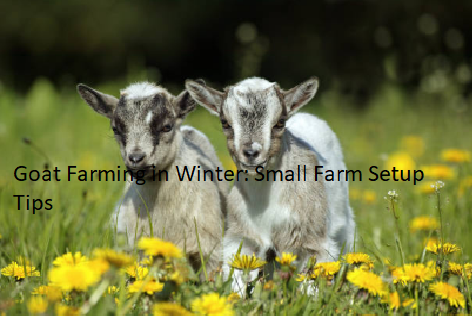
Successfully managing a goat farming in winter small farm setup requires a fundamental shift in how you view your livestock’s environment and nutritional needs. During the colder months, your primary goal is to maintain the animal’s body condition score while preventing respiratory issues caused by dampness or drafts.
You should aim to keep your goats in a state of thermal neutrality where they aren’t burning excess energy just to stay warm. Proper preparation in late autumn, including structural checks and feed storage, prevents the most common winter health crises.
Managing Thermal Comfort and Shelter
The most critical factor in a goat farming in winter small farm setup is the quality of the shelter. Goats are hardy animals, but they are notoriously susceptible to pneumonia if exposed to damp, stagnant air or direct drafts. Your barn or shed does not need to be heated, but it must be completely dry and draft-free at the animal’s level.
Check your structure for gaps in the siding or roof before the first frost hits. A simple trick is to light a candle or use a smoke stick near wall joints; if the flame flickers, you have a draft that needs sealing with foam or boards. Ensure that ventilation remains high enough to let moisture escape without creating a cross-breeze across the goats’ sleeping area.
Bedding management changes significantly once the temperature drops. You should transition to a deep litter method, where you add fresh layers of straw or wood shavings on top of soiled bedding throughout the winter. This creates a natural composting process underneath the top layer, which generates a small amount of warmth for the goats when they bed down.
Nutritional Requirements and Energy Needs
Goats require significantly more calories during the winter because their bodies prioritize heat production over maintenance. You must increase the volume of high-quality hay you provide, as digestion is essentially an internal furnace that keeps them warm. Aim to provide free-choice access to hay that is leafy and green, as this contains the highest nutrient density.
Consider supplementing with additional grain or high-protein alfalfa if you notice your goats losing weight or if they are in late pregnancy. A good rule of thumb is to monitor the body condition score by feeling the spine and ribs of your goats every two weeks. If the hips feel bony or the spine is sharp to the touch, you are likely underfeeding for the current weather conditions.
Water intake is another often-overlooked aspect of winter care. Goats will drink significantly less water if it is ice-cold, which can lead to impaction colic and dehydration. Invest in a heated water bucket or a tank heater to keep water temperatures between 45 and 50 degrees Fahrenheit.
Common Winter Feeding Strategies
| Feed Type | Purpose | Frequency |
| :— | :— | :— |
| Grass Hay | Primary energy source | Free-choice |
| Alfalfa Pellets | Protein boost for pregnancy | Once daily |
| Loose Minerals | Electrolyte balance | Free-choice |
| Warm Water | Hydration and digestion | Continuous |
Health Monitoring and Disease Prevention
Winter brings a unique set of health challenges that differ from the parasite-heavy summer months. Respiratory infections are the most common issue, often appearing as a persistent cough or nasal discharge. Keep a close eye on your herd’s behavior; a goat that stands alone, stops eating, or grinds its teeth is signaling that something is wrong.
Parasite management remains important even when the ground is frozen. While larvae aren’t as active on the pasture, internal parasites like Barber’s Pole worm can still cause issues if your housing area is crowded or damp. Perform a FAMACHA eye-score check once a month to ensure your goats aren’t suffering from anemia during the stress of winter.
Keep a dedicated medical kit stocked for the cold season. You should have thermometers, antiseptic spray, electrolytes, and injectable B-complex vitamins on hand at all times. If you encounter a sick animal, isolate them immediately in a separate, warm, and dry area to prevent the potential spread of contagious respiratory illnesses.
Structuring Your Daily Routine
Maintaining a consistent schedule is the hallmark of a successful goat farming in winter small farm setup. Your goats thrive on routine, and a predictable feeding time reduces stress levels, which in turn helps them maintain their body heat more effectively. Plan to visit the barn at least twice a day, once in the early morning and again before sunset.
Use your morning visit to check for any injuries that might have occurred overnight. This is the best time to break any thin ice on water sources and ensure that the hay feeders are fully stocked for the day. If you have goats in late gestation, this is also the time to check for any early signs of kidding.
Evening chores should focus on securing the barn against predators and checking the bedding. Predators are often more desperate for food in the winter and may approach your barn closer than they would in the summer months. Ensure your fencing is secure and that all latches are locked tight against clever intruders like raccoons or coyotes.
Managing Pregnant Does in Winter
Winter often coincides with the late stages of pregnancy for many small herds. These does have higher metabolic demands than any other group in your barn. You must ensure they have enough space to move around without being bullied by more dominant goats at the feeder.
Provide extra space for these does to lie down and rest. If your barn is small, consider installing temporary partitions to separate the pregnant does from the rest of the herd during feeding time. This ensures they get their fair share of the high-quality hay and prevents them from being pushed away by younger, more aggressive goats.
Monitor them for signs of pregnancy toxemia, also known as ketosis. This happens when the doe’s body cannot keep up with the energy demands of the developing kids and begins breaking down fat too quickly. If a doe appears lethargic or has a sweet, fruity odor on her breath, consult your veterinarian immediately as this can be fatal.
The Importance of Proper Ventilation
It is a common mistake to seal a barn airtight in an attempt to keep it warm. Goats produce a significant amount of moisture through their breath and urine, which must be allowed to escape. If you trap this moisture, it will settle on the walls and ceiling, leading to frost build-up and respiratory issues.
The goal is to have a high-ventilation design where moisture can exit through the roof peak. You can achieve this by installing ridge vents or leaving a small gap at the top of the gable ends. The air should move above the heads of the goats, so they remain in a calm, still pocket of air while the moisture is pulled out of the building.
If you walk into your barn and it smells strongly of ammonia, your ventilation is insufficient. Ammonia fumes are highly irritating to a goat’s lungs and can trigger chronic respiratory problems. Increase your airflow immediately and consider adding more bedding to absorb the nitrogen-rich urine that causes the odor.
Winter Pasture and Exercise
Even in the winter, goats benefit from getting outside for fresh air and movement. Unless the wind chill is extreme or there is a heavy freezing rain, let your goats out into a dry, protected paddock during the day. Exercise helps maintain muscle tone and supports their digestive systems.
Clear a path to their grazing area if there is significant snow cover. Goats are naturally averse to walking through deep snow, and they may refuse to go out if they feel trapped. A simple shoveled path can encourage them to move around and get the activity they need.
Monitor the grazing area for any toxic plants that might have been revealed by the receding foliage. While most goats avoid toxic plants, a bored or hungry animal might take a nibble if there’s nothing else to eat. Ensure the paddock is clean of any debris or broken fencing that could cause injury in the slippery, muddy, or snowy conditions.
Frequently Asked Questions
Is a small goat farm profitable in the winter?
Profitability in winter depends largely on your cost of inputs versus your output. You will likely see higher expenses due to increased hay consumption and potential heating costs for water, but these are offset by your annual production cycle. Focus on efficient feeding and preventing health issues to keep your margins stable.
How cold is too cold for goats?
Healthy, well-fed goats can handle temperatures well below freezing, even down to zero degrees Fahrenheit, provided they are dry and out of the wind. The risk increases significantly when the temperature drops below 20 degrees Fahrenheit if the animals are damp or have thin body condition. Watch for shivering, which is the first sign that they are struggling to maintain their core temperature.
What do goats need most in the winter?
The three pillars of winter goat care are high-quality forage, constant access to fresh water, and a dry, draft-free shelter. Without these, your herd’s immune system will weaken, making them vulnerable to common winter ailments like pneumonia or parasites. Consistent monitoring of their body weight is the best way to ensure these needs are being met.
How many goats can I keep in a small winter setup?
The number of goats depends on your available square footage per head. For a small barn, you need at least 15 to 20 square feet of floor space per goat to prevent overcrowding. Overcrowding in winter leads to increased humidity and higher rates of disease transmission, so it is better to have fewer, healthier animals than a crowded, stressed herd.
Do goats need blankets in the winter?
Most goats do not need blankets if they have a proper shelter. Blankets can actually be detrimental because they prevent the goat from fluffing its own coat to trap heat, and they can trap moisture against the skin. Only consider blanketing an elderly, sick, or shorn goat that is clearly struggling to maintain its temperature.
Planning for Future Seasons
Success in a goat farming in winter small farm setup relies on your ability to learn from each season. Keep a logbook of your winter expenses, health issues, and feed consumption rates. This data will help you refine your strategy for the next year, allowing you to stock up on hay at lower prices or improve your ventilation before the cold returns.
Next steps for your farm should include evaluating your winter storage capacity. If you found yourself running low on hay during a particularly long cold snap, look into building a larger, dry shed for next year’s harvest. Small improvements to your infrastructure, such as adding a better latching system or installing more robust water heaters, will pay for themselves in reduced labor and higher animal health.
Engaging with local farming groups or agricultural extensions can provide you with region-specific advice that accounts for your local climate. Every small farm has its own unique microclimate, and the wisdom of neighbors who have managed livestock in your specific area is invaluable. Stay observant, keep your records detailed, and your herd will thrive through the harshest months of the year.
