

Developing an accurate goat farming project report complete feed chart is the cornerstone of a profitable livestock enterprise. Without a structured nutritional plan, you risk high mortality rates and stunted growth, which quickly erode your profit margins. This article breaks down the exact requirements for a balanced diet, helping you manage costs while ensuring your herd reaches market weight efficiently.
You will gain clarity on daily intake calculations, essential mineral supplements, and seasonal adjustments that keep your animals healthy throughout the year. By following these evidence-based nutritional guidelines, you can transform your farm operations into a predictable, data-driven business that minimizes waste and maximizes animal performance.
The foundation of a successful goat farming project report complete feed chart revolves around the Dry Matter Intake (DMI) of the animal. A standard rule of thumb is that a goat requires approximately 3% to 4% of its body weight in dry matter daily. For a goat weighing 50 kilograms, this translates to roughly 1.5 to 2 kilograms of feed per day.
You must ensure this intake is split between high-quality forage and concentrated energy sources to prevent digestive issues like acidosis. A typical commercial ration should consist of 60% roughage and 40% concentrates for optimal rumen health and weight gain.
Understanding Feed Composition and Nutrient Ratios
Nutritional requirements shift significantly based on the life stage of the animal. A lactating doe needs higher protein levels compared to a dry doe or a buck in maintenance mode. You should aim for a crude protein content of 14% to 16% for growing kids and lactating mothers.
For adult maintenance, 10% to 12% protein is generally sufficient to maintain body condition scores. Always prioritize forage quality, as it forms the bulk of the diet and dictates the overall cost-efficiency of the feeding program.
Calculations for Herd Management
To build a reliable budget, you must calculate the total annual feed requirement for your herd. If you maintain 100 goats with an average weight of 40 kilograms, your daily total feed requirement is approximately 160 kilograms of dry matter. Over a 365-day period, this amounts to roughly 58,400 kilograms of feed.
Accounting for a 10% wastage factor, you should plan to source or produce at least 64,000 kilograms of feed annually. Failing to account for this wastage leads to mid-year shortages and forced, expensive spot-purchases of fodder.
Structuring the Feeding Schedule
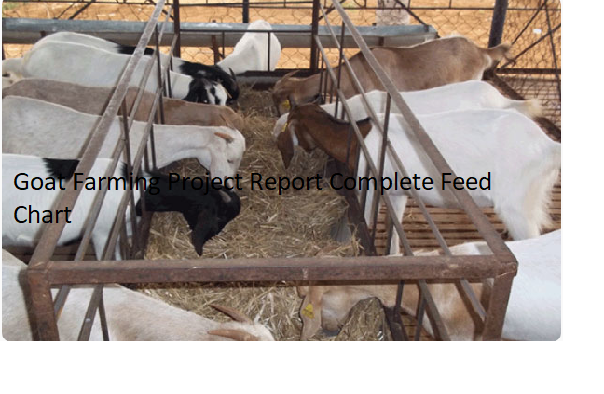
Consistency in your feeding schedule prevents stress and metabolic disorders in the herd. Divide the daily ration into two equal portions, one provided in the early morning and one in the late afternoon. This split feeding strategy keeps the rumen active and prevents the animals from gorging themselves, which can cause bloat.
Ensure fresh, clean water is available at all times, as a goat’s water intake directly correlates with its feed intake. Dehydrated goats will stop eating, leading to rapid weight loss even if the feed quality is excellent.
Essential Mineral Supplementation
Forage alone rarely provides all the necessary minerals, especially in intensive farming systems. You must include a mineral lick or a premix specifically formulated for small ruminants to prevent deficiencies. Key minerals to monitor include calcium, phosphorus, copper, and selenium.
Copper is particularly critical, but you must be careful not to provide sheep-specific minerals, as goats have different tolerance levels. A simple salt block is not enough; invest in a high-quality trace mineralized salt mix to support bone development and immune function.
Comparison of Feed Types for Productivity
Different feed sources provide varying levels of energy and protein, impacting the growth rate of your herd. Legumes like alfalfa or berseem provide high protein, while cereal straws are primarily used for fiber and gut fill. The following table illustrates the approximate nutritional contributions and usage roles of common feedstuffs in a professional setting.
| Feed Type | Primary Benefit | Recommended Inclusion Rate |
|---|---|---|
| Green Fodder (Berseem/Lucerne) | High Protein & Vitamins | 40-50% of Daily Intake |
| Dry Roughage (Straw/Hay) | Fiber & Rumen Health | 20-30% of Daily Intake |
| Concentrates (Maize/Bran/Cake) | Energy & Rapid Growth | 20-30% of Daily Intake |
| Mineral Mix | Metabolic Support | 1-2% of Daily Intake |
Seasonal Adjustments to the Feeding Chart
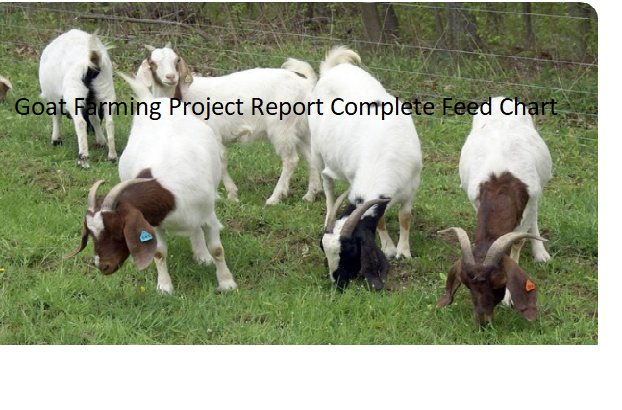
Your feeding strategy must adapt to the changing availability of pasture throughout the year. During the rainy season, green forage is abundant, and you can reduce the amount of expensive concentrate feed. Conversely, during the dry season, you must rely on silage, hay, or stored fodder to maintain the same nutritional profile.
If you have not invested in a silage pit or a hay storage facility, you will face massive price spikes during the lean months. Plan your inventory to ensure you have at least three months of stored forage on hand before the dry season begins.
Monitoring Herd Health Through Feed
The body condition score (BCS) is your most important metric for evaluating the success of your feeding program. A score of 1 indicates a severely underweight animal, while 5 indicates obesity, both of which are undesirable for production. Aim for a consistent BCS of 3 across your breeding herd for optimal fertility and milk production.
If you notice a decline in the average score, review your feed quality or check for internal parasites. Parasite loads often mimic malnutrition because the worms consume the nutrients intended for the goat, making even the best feed ineffective.
Financial Planning and Feed Cost Optimization
Feed typically accounts for 60% to 70% of total operating costs in a commercial goat farm. To optimize these costs, consider cultivating your own fodder on a portion of your land rather than purchasing everything from the market. Integrating crops like Napier grass or Subabul can drastically reduce your monthly expenditure on concentrates.
Keep detailed records of every kilogram of feed purchased versus the weight gain of the animals to identify which feed combinations yield the best return on investment. You can find more information on best practices for ruminant nutrition through the Food and Agriculture Organization of the United Nations.
Common Mistakes to Avoid in Feeding
* Feeding moldy or contaminated hay, which can cause listeriosis or other infections.
* Sudden changes in the diet, which disrupt rumen microflora and cause digestive distress.
* Neglecting to provide a clean water source, which limits the animal’s ability to process fiber.
* Over-relying on grains, which can lead to urinary calculi in male goats.
* Ignoring the micronutrient needs of pregnant does, impacting the birth weight of kids.
Frequently Asked Questions
How do I calculate the exact feed cost per goat?
To calculate the cost, multiply the daily intake in kilograms by the cost per kilogram for each feed component. Add the cost of minerals and divide by the number of animals. Tracking this monthly allows you to see how fluctuations in grain prices affect your bottom line.
What is the role of F1, F2, and F3 in goat breeding?
These terms refer to the generation of crossbreeding. F1 is the first generation cross between two purebred parents, often showing high hybrid vigor. F2 and F3 are subsequent generations, where traits become more stabilized, but performance may vary depending on the selection pressure applied by the breeder.
How much land is needed for 100 goats?
If you rely solely on grazing, you need approximately 1 to 2 acres of high-quality pasture per 10 goats, depending on the climate and vegetation. In an intensive or semi-intensive system where you cut and carry fodder, 100 goats can be managed on as little as 2 to 3 acres.
What is the best way to introduce new feed to goats?
Always introduce new feed types gradually over a period of 7 to 10 days. Start by mixing 10% of the new feed with 90% of the old feed and increase the ratio daily. This allows the rumen bacteria to adjust to the new chemical composition without causing diarrhea or bloat.
How often should I weigh my goats to track growth?
Weighing your goats once a month is sufficient for a commercial operation. This frequency helps you identify which animals are underperforming and allows you to adjust their ration individually. Consistent weighing also helps you decide when to market your stock for maximum profit.
Conclusion
Establishing a robust goat farming project report complete feed chart provides the essential framework for a sustainable and profitable agricultural business. By prioritizing consistent daily intake, monitoring body condition scores, and managing your seasonal forage inventory, you ensure that your herd remains productive and healthy year-round. Remember that the goal is not just to feed the animals, but to convert inputs into high-quality meat or milk with the lowest possible waste.
Start by tracking your current costs and adjusting your feeding ratios based on the specific needs of your herd’s growth stages. With disciplined management and a focus on nutritional data, you can significantly improve your margins and build a resilient farming operation that stands the test of time.
