

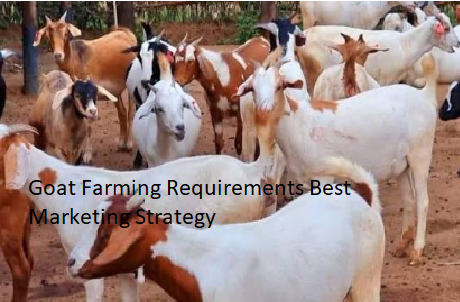
Successful goat farming requirements best marketing strategy implementation starts with understanding that your production model must dictate your sales channel. Many new farmers struggle because they attempt to sell high-end artisanal products in commodity markets or vice versa. By aligning your infrastructure with a specific target audience, you avoid the common pitfalls that lead to early financial burnout.
This article provides the foundational knowledge needed to scale your operations while ensuring your products reach customers who value your specific output. Whether you focus on dairy, meat, or fiber, the path to profitability requires a deliberate blend of operational rigor and targeted outreach.
Essential Infrastructure and Herd Management
To meet the basic goat farming requirements, you must prioritize biosecurity and structural integrity. Goats are notorious escape artists and are highly susceptible to respiratory issues in damp conditions.
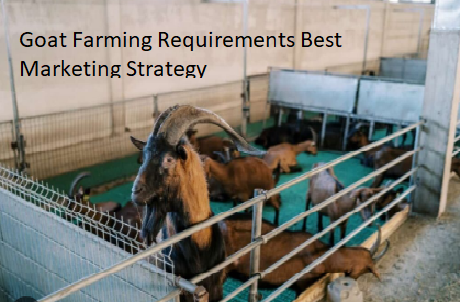
Your fencing should consist of at least 48-inch woven wire to discourage climbing and prevent predators from entering. You must also provide a three-sided shelter that faces away from prevailing winds to keep the bedding dry.
Internal parasites are the most significant health threat for small ruminants in humid climates. You need a dedicated quarantine area for new arrivals to ensure you do not introduce resistant strains of worms into your existing herd. Regular body condition scoring, often called FAMACHA testing, allows you to monitor anemia levels without relying solely on chemical dewormers.
Maintaining these standards is not just about animal welfare; it is the first step in building a reputation for high-quality, healthy livestock.
Financial Planning for Startup Success
The initial capital expenditure for a goat enterprise varies widely based on whether you are leasing or buying land. You should expect to invest heavily in the first year for breeding stock, fencing, and feed storage.
A common mistake is underestimating the cost of high-quality forage, which should make up the bulk of a goat’s diet. If you are aiming for high-margin products like organic milk or cashmere, your startup costs will be significantly higher due to certification fees and specialized processing equipment.
Operating costs remain relatively stable once the infrastructure is in place, but feed prices and veterinary care are variables that can fluctuate. You should maintain a cash reserve equivalent to at least six months of operating expenses to handle unexpected losses. Tracking your cost per head is essential for determining your break-even point.
If your overhead exceeds the market value of your end product, you must either find a niche buyer or optimize your feed efficiency.
Selecting the Right Breed for Your Market
Your choice of breed is the most important decision influencing your long-term success. If your region has high demand for chevon or goat meat, Boer goats are the industry standard for growth rates and carcass quality.
If you are looking to enter the dairy market, Saanen or Alpine breeds offer superior milk volume, while Nubians are favored for their high butterfat content. You cannot effectively market a product if your genetics are not optimized for the end consumer’s needs.
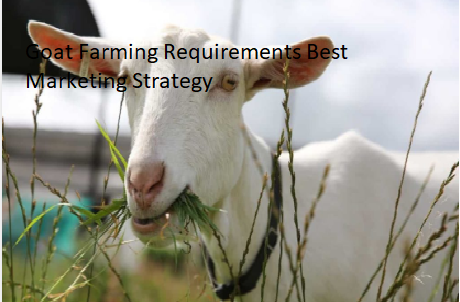
Crossbreeding can sometimes provide the best of both worlds, such as improved parasite resistance combined with better meat production. However, you should avoid “breeding for the sake of it” without a clear goal. Focus on selecting animals that perform well in your specific local environment rather than chasing trends.
A herd that thrives on your available forage will always be more profitable than one that requires expensive supplemental feed to survive.
Direct-to-Consumer Sales Channels
The most effective way to capture higher margins is to bypass wholesale auctions and sell directly to the end user. Farmers markets allow you to build personal relationships with customers who are willing to pay a premium for transparency and quality.
You should offer samples or educational materials to explain why your goat meat or dairy products are superior to mass-produced alternatives. These interactions turn casual shoppers into repeat subscribers.
Online sales and social media platforms provide a powerful tool for expanding your reach beyond your local geography. Instagram and Facebook allow you to showcase the health of your animals and the cleanliness of your farm, which builds trust with modern consumers. You can use these platforms to announce seasonal availability or to take pre-orders for goat meat shares.
Consistency in your digital presence is vital for maintaining top-of-mind awareness among your local community.
Navigating Regulatory Compliance
Every region has different laws governing the sale of agricultural products. You must investigate local zoning ordinances before investing in permanent structures or large herds.
In many states, selling raw goat milk is restricted or requires a specific permit that demands rigorous testing of your herd for diseases like brucellosis and tuberculosis. Ignoring these requirements can lead to heavy fines or the forced liquidation of your herd.
You should consult with your local extension office to understand the specific legal framework in your jurisdiction. They often provide resources on food safety and labeling requirements that prevent you from making illegal claims on your packaging. Being compliant is a competitive advantage because it allows you to sell in retail stores and farmers markets where your less-regulated competitors cannot go.
Trust is the currency of the food industry, and government certifications provide a baseline for that trust.
Comparing Marketing Channels
Choosing the right channel depends on your time, budget, and labor availability. Selling at an auction barn is the fastest way to offload animals, but it rarely results in the highest profit.
Direct sales require more marketing effort but allow you to capture the entire retail price. The following table provides a comparison of common sales channels for goat farmers.
| Channel | Margin Potential | Effort Required | Best For |
|---|---|---|---|
| Livestock Auction | Low | Low | Quick cash flow |
| Farmers Market | High | High | Building a loyal brand |
| Direct-to-Processor | Medium | Medium | Consistent volume |
| Private Treaty Sales | High | Medium | Selling breeding stock |
Leveraging Value-Added Products
If you are struggling to find a profitable market for raw milk or meat, consider processing your output into value-added goods. Goat milk soap, cheese, and yogurt often carry significantly higher price points than the raw ingredients. These products also have a longer shelf life, which gives you more flexibility in your sales schedule. You will need to invest in a licensed kitchen or a small-scale creamery, but the return on investment can be substantial.
You can also explore non-food products like goat fiber or manure. Angora or Pygora goats produce high-quality mohair that is highly sought after by fiber artists. Goat manure is an excellent fertilizer for gardens and can be bagged and sold as a side income stream.
Diversifying your revenue ensures that you are not solely reliant on the volatile meat or milk markets.
Essential Marketing Strategies for Growth
To scale your operation, you need a clear strategy that differentiates you from other producers. Start by identifying your “why”—is it organic production, heritage breeds, or extreme animal welfare?
This narrative should be woven into your website, signage, and packaging. Consumers today want to know the story behind their food, and a compelling story can justify a higher price point.
* Host farm tours to educate potential customers and build local advocacy.
* Create a mailing list to notify customers of fresh stock or seasonal sales.
* Partner with local chefs who prioritize farm-to-table sourcing for their menus.
* Offer subscription bundles to guarantee recurring monthly revenue.
* Use professional photography for all your digital and physical advertisements.
You can learn more about standard practices for animal husbandry and production by visiting the USDA National Institute of Food and Agriculture website for official resources. Consistent branding across all these touchpoints helps build the recognition necessary for long-term growth. Do not underestimate the power of a professional logo and clean, informative packaging; these elements signal to the customer that you are a serious business operator.
Frequently Asked Questions What is the most profitable goat product?
Profitability varies, but artisanal goat cheese and high-end goat meat cuts typically offer the highest margins.
Selling breeding stock from registered, high-performing bloodlines can also be extremely lucrative if you have a strong reputation.
How often should I market my goats?
Marketing should be a year-round activity. Even during the off-season, you should be engaging with your community through social media, educational content, or planning for the next breeding cycle to keep your brand visible.
Do I need a website for my farm?
A simple website is highly recommended. It serves as a central hub where customers can find your location, read about your farming practices, and see current pricing, which builds more trust than a social media profile alone.
How do I handle price competition?
Avoid racing to the bottom on price.
Instead, emphasize the unique quality of your product, such as the specific breed, the forage-based diet, or the higher animal welfare standards you maintain compared to industrial farms.
What is the biggest mistake new goat farmers make?
The most common error is failing to plan for animal health and biosecurity. Many beginners buy cheap livestock from unknown sources and end up with parasite or disease issues that wipe out their initial investment within the first six months.
Conclusion
Achieving success with your livestock business relies on the careful integration of operational excellence and strategic market positioning.
By focusing on your core goat farming requirements best marketing strategy, you create a business that is not only sustainable but also capable of scaling over time. Start by mastering the fundamentals of herd health and infrastructure, then gradually layer in direct-to-consumer sales channels and value-added products.
Keep your focus on the quality of your output and the strength of your customer relationships. Agriculture is a long-term endeavor that rewards patience and data-driven decision-making.
If you remain disciplined with your financial tracking and adaptable in your marketing approach, you will build a resilient enterprise. Reach out to local agricultural groups or fellow farmers to share insights and build a network that supports your growth.
