

Understanding the essential goat farming requirements setup at home is the first step toward successfully keeping a small herd for milk, fiber, or vegetation management. Whether you have an urban hobby farm or a few acres in the countryside, your success depends on providing adequate housing, secure fencing, and a balanced nutritional plan.
This article breaks down the physical, legal, and biological necessities required to ensure your goats remain healthy and productive. By focusing on these core components, you can effectively manage the daily tasks associated with animal husbandry while avoiding common pitfalls that plague beginners.
Core Requirements for a Backyard Herd
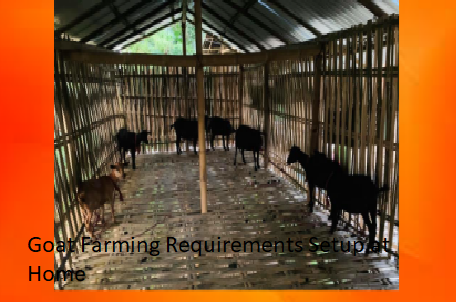
To establish a functional goat farming requirements setup at home, you must secure a minimum of 250 to 300 square feet of space per goat for the outdoor run. Indoors, each adult goat requires at least 15 to 20 square feet of dry, draft-free floor space to prevent respiratory issues and hoof rot.
Proper ventilation is non-negotiable; you need enough airflow to carry away ammonia fumes without exposing the animals to direct, freezing winds. A simple three-sided shed facing away from prevailing winds often suffices in temperate climates.
Water access is another critical, often overlooked requirement. A single goat can consume between 1 and 3 gallons of water daily, depending on their size and the ambient temperature.
You should invest in heavy-duty, tip-resistant troughs that are easy to scrub out at least once a week. Goats are notoriously picky drinkers and will refuse water that has become stagnant or contaminated with debris.
Fencing and Containment Strategy
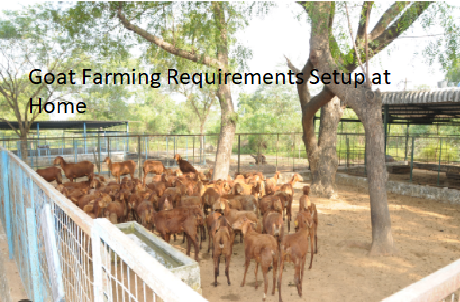
Goats are master escape artists with an innate curiosity that leads them to test every weakness in a perimeter. Your goat farming requirements setup at home must prioritize high-quality, woven-wire fencing that is at least 48 inches tall.
Avoid barbed wire, which can snag their coats and cause severe injuries to their skin or udders. Electric fencing, specifically high-tensile strands, can be used as an additional deterrent to keep goats from rubbing against or jumping over the perimeter.
When designing your fence lines, consider the terrain and the presence of predators. You should bury the bottom of the fence or secure it tightly to the ground to prevent predators from digging underneath.
Sturdy wooden posts should be placed every 8 to 10 feet to ensure the structure remains rigid under pressure. Always check your local zoning ordinances before installing permanent structures, as some municipalities have specific setback rules for livestock enclosures.
Nutritional Essentials and Grazing Management
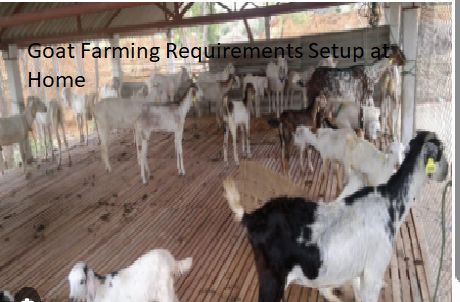
Goats are browsers rather than grazers, meaning they prefer shrubs, woody plants, and weeds over short, manicured grass. A healthy diet consists of high-quality hay, access to browse, and a specialized mineral supplement formulated for goats.
You must never provide cattle minerals, as these often contain levels of copper that are toxic to goats. Providing a loose mineral block or granular supplement helps prevent deficiencies that lead to poor coat quality and reproductive issues.
Rotational grazing is an effective strategy to keep your pasture healthy and reduce parasite loads. By dividing your available land into smaller paddocks, you allow sections of the field to recover while the goats forage elsewhere.
This cycle breaks the life cycle of many common intestinal worms that thrive in damp, overgrazed soil. Always ensure the plants available to your goats are not toxic, such as azaleas, rhododendrons, or wilted cherry leaves.
Health and Veterinary Maintenance
Proactive health management is a cornerstone of any goat farming requirements setup at home. You need to identify a large-animal veterinarian who is willing to work with small ruminants, as not all clinics treat livestock.
Keeping a basic medical kit on hand is essential for managing minor injuries or illnesses. Your kit should include items like digital thermometers, antiseptic sprays, sterile gauze, and electrolytes for dehydrated animals.
Parasite control is arguably the most demanding aspect of goat care. You should learn to perform a FAMACHA check, which involves examining the color of the inner eyelid to determine if a goat is suffering from anemia due to a high parasite load.
This method allows you to treat only the animals that need it, rather than using chemical dewormers indiscriminately. Overusing dewormers leads to resistant parasite populations, making it harder to maintain a healthy herd over time.
The Economics of Small-Scale Goat Production
Estimating your startup costs is essential for a sustainable operation. While the initial investment varies based on your existing infrastructure, you must account for the purchase price of the animals, shelter materials, and feed storage. Below is a breakdown of common categories and their typical impact on your startup budget:
| Expense Category | Estimated Cost Range | Frequency |
|---|---|---|
| Shelter Construction | $500 – $2,500 | One-time |
| Fencing Supplies | $300 – $1,000 | One-time |
| Initial Herd Purchase | $200 – $600 per goat | One-time |
| Annual Feed/Hay | $200 – $400 per goat | Annual |
| Veterinary/Minerals | $50 – $150 per goat | Annual |
Tools and Equipment for Daily Operation
Operating a small farm requires specific gear to streamline your daily workflow. You will need a sturdy wheelbarrow for mucking out the barn and hauling feed.
A dedicated storage area for hay is vital; hay must be kept dry and off the ground, ideally on wooden pallets, to prevent mold growth. Moldy hay can cause severe digestive distress and respiratory illness, which can be fatal in goats.
Grooming tools, such as stiff brushes and hoof trimmers, are necessary for routine maintenance. Regular hoof trimming, usually every 6 to 8 weeks, prevents painful overgrowth and keeps the animal mobile.
You should also have a set of reliable halters and leads for moving animals safely between paddocks or loading them for transport. Investing in quality equipment saves time and reduces the physical strain of daily chores.
Legal and Zoning Considerations
Before you bring your first goat home, you must consult your local municipal or county planning department. Many areas have strict “animal unit” rules that dictate how many goats you can keep on a specific acreage.
Even if you have a large backyard, local bylaws might prohibit livestock entirely or require a minimum land size that you do not meet. Failure to check these regulations can result in fines and the forced removal of your animals.
Additionally, consider the impact on your neighbors regarding noise and odor. While goats are generally quieter than dogs, bucks can be quite vocal during the breeding season.
Proper manure management is essential to keep odors at bay and prevent fly infestations. Composting manure in a designated, covered area turns waste into a valuable garden fertilizer while keeping your neighbors happy and your farm compliant with local health codes.
Resources for Further Learning
The learning curve for goat husbandry is steep, and you should rely on established, science-based information rather than hearsay. Many agricultural extension offices provide excellent, localized resources that address specific climate and soil conditions in your region. You can find detailed information on herd management through the eXtension Foundation, which offers peer-reviewed insights into animal health and farm safety.
Joining a local 4-H club or a regional goat breeders association can provide you with a network of experienced mentors. These individuals have likely faced the same challenges you will encounter and can offer practical advice on everything from kidding complications to pasture management. Never hesitate to ask for help when you notice signs of illness or behavior that seems out of character for your herd.
Frequently Asked Questions
How many acres do I need to raise a small herd?
You can comfortably keep 2 to 4 goats on as little as half an acre, provided you practice intensive rotational grazing. If you do not have enough forage, you will need to supplement their diet with hay, which increases your monthly operating costs.
What is the easiest goat breed for beginners?
Nigerian Dwarf goats are often recommended for beginners because they are small, manageable, and generally have calm temperaments. Their compact size makes them easier to handle for medical procedures and daily grooming compared to larger dairy breeds.
How long does it take for goats to clear an acre of brush?
Ten goats can clear approximately one-quarter to one-half of an acre of heavy brush in about two weeks. The exact time depends heavily on the density of the vegetation and the size of the goats involved in the project.
Do I need a buck to keep a herd?
You do not need a buck unless you intend to breed your does for milk production or offspring. Keeping a buck requires separate housing and specialized management, as they can be aggressive and have a strong odor that is difficult to manage on a small property.
Can goats live alone in a backyard?
Goats are herd animals and suffer from severe stress if kept in isolation. You should always keep at least two goats together to ensure they remain healthy and exhibit natural social behaviors.
Conclusion
Establishing a successful goat farming requirements setup at home is a rewarding project that demands dedication, planning, and a commitment to animal welfare. By focusing on secure housing, proper nutrition, and consistent health monitoring, you can create a sustainable environment for your animals. Remember that every farm is unique; what works for one person may need adjustments based on your specific climate and available resources.
Start small, observe your herd closely, and prioritize learning from reputable agricultural sources to build your confidence. With the right foundation in place, you will find that the daily care of your goats becomes a manageable and deeply satisfying part of your life. Reach out to local farmers or extension agents to refine your approach as your herd grows and your needs evolve over time.
