

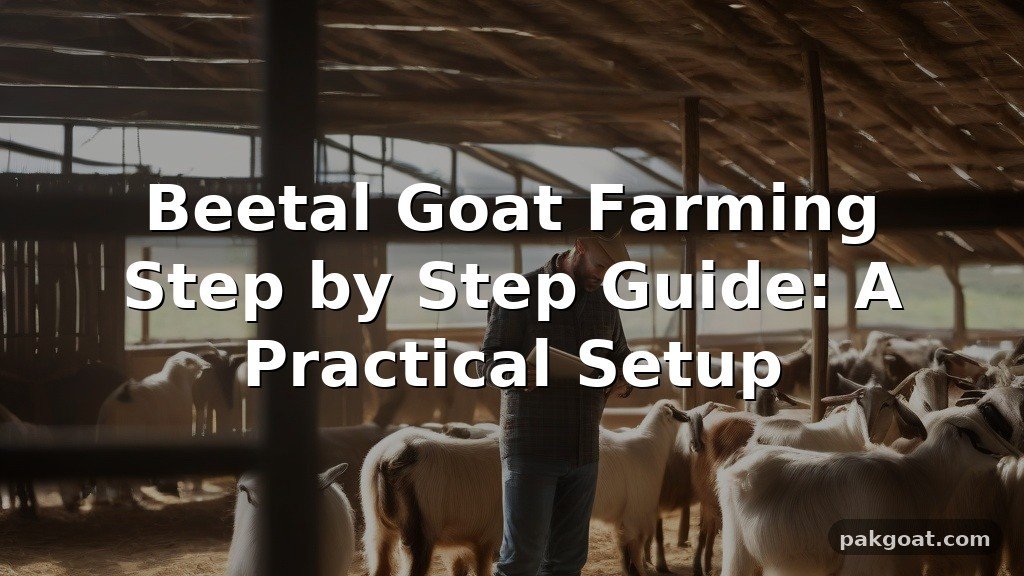
Starting a successful operation requires a clear beetal goat farming step by step guide that covers everything from housing to herd management. Beetal goats are a popular dual-purpose breed, prized for both their high milk yield and quality meat production. By following these structured phases, you can establish a sustainable and profitable farm that leverages the hardiness of this specific breed.
Key Profitability Metrics
For those asking about the financial reality of this business, profitability hinges on efficiency. A healthy, well-managed Beetal doe typically produces 1.5 to 2.5 liters of milk per day under optimal conditions.
At six months of age, a well-fed kid can reach a live weight of 20 to 25 kilograms. You should expect to allocate approximately 10 to 15 square feet of space per goat in a shed to prevent overcrowding and disease.
Setting Up Your Infrastructure
Success begins with proper housing. Beetal goats are adaptable, but they require a dry, well-ventilated shelter to stay healthy. Elevated wooden floors are ideal because they allow waste to fall through, keeping the sleeping area sanitary.
Essential Housing Features
- Ventilation: Ensure the shed has open sides or windows to allow airflow without direct drafts.
- Drainage: Sloped concrete floors outside the shed prevent muddy patches where parasites thrive.
- Security: Build a sturdy perimeter fence at least 4-5 feet high to protect against predators.
- Feeding Stations: Install elevated hay racks to keep feed off the ground and reduce waste.
Nutrition and Herd Management
Feeding is your largest operational expense. Beetal goats thrive on a mix of grazing and supplemented stall feeding. You must provide clean water at all times, as dehydration quickly drops milk production.
Feed Requirements Comparison
| Feed Category | Description | Frequency |
|---|---|---|
| Green Fodder | Lucerne, berseem, or maize | Daily (Primary) |
| Dry Hay | Wheat straw or dried grasses | Daily (Supplement) |
| Concentrates | Grain mix (maize, bran, oilcake) | Twice Daily |
| Minerals | Salt licks or mineral blocks | Ad libitum |
Breeding and Health Care
Effective breeding determines the future of your herd. Beetal goats typically reach sexual maturity around 8 to 10 months. Keep detailed records of kidding dates and lineage to prevent inbreeding, which can weaken the genetic quality of your stock.
Health Maintenance Protocols
Vaccination and Deworming
Consult a local veterinarian to establish a vaccination calendar for PPR, Enterotoxaemia, and Foot-and-Mouth disease. Regular deworming is essential, especially during the monsoon season when parasite loads in pastures increase.
Recognizing Signs of Illness
A healthy goat is alert with a shiny coat and normal appetite. If you notice a goat isolating itself, grinding its teeth, or showing signs of diarrhea, isolate it immediately. Quick action prevents a localized infection from spreading to the entire herd.
Frequently Asked Questions
How many acres do I need for 100 goats?
If you rely purely on grazing, you generally need 1 acre for every 10 to 15 goats. However, if you practice stall feeding or semi-intensive management, you can keep 100 goats on as little as 0.5 acres, provided you source your fodder externally.
Why give baking soda to goats?
Baking soda acts as a buffer in the rumen, helping to prevent acidosis when goats consume high-grain diets. It is a simple, cost-effective tool to support digestion and prevent bloating.
What is F1, F2, and F3 in goats?
These terms refer to filial generations, often used when crossbreeding. An F1 is the first generation offspring of two different breeds; F2 is the result of breeding two F1 individuals, and so on.
How much does a Beetal goat weigh at 6 months?
With high-quality feed and proper management, a Beetal kid typically hits 20 to 25 kg by the six-month mark. Genetics play a large role here, so select breeding stock from high-performing lines.
Conclusion
Starting your journey using this beetal goat farming step by step guide provides the structure needed to avoid common beginner pitfalls. Focus on high-quality nutrition and consistent health monitoring to ensure your herd remains productive and resilient. While the initial investment in housing and stock requires careful planning, the dual-purpose nature of the Beetal breed offers a reliable path toward sustainable income.
Begin by securing healthy foundation stock from a reputable local farm, then expand your herd gradually as you gain experience. If you remain diligent with your daily management practices, your operation will soon reflect the hard work you put into it.
