

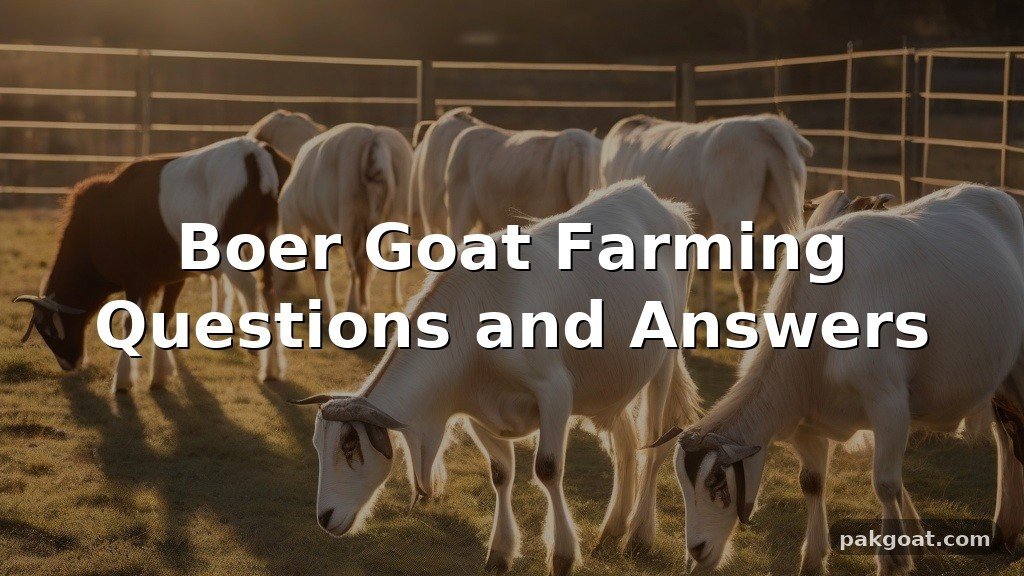
Navigating the complexities of Boer goat farming questions and answers requires a focus on biology, land management, and consistent herd health practices. Whether you are scaling a commercial enterprise or managing a small hobby farm, understanding the specific needs of this breed is the first step toward profitability in meat goat production. The Boer goat is renowned for its rapid growth rate and superior carcass quality, but these traits come with precise management demands.
By addressing fundamental concerns regarding stocking density, nutrition, and selection criteria, you can establish a sustainable foundation for your operation. This overview provides the essential data points to help you make informed decisions for your livestock business.
Key Performance Indicators for Herd Success
Success in raising these animals depends on balancing their high growth potential with environmental constraints. While Boer goats are hardy, their performance is not uniform across all climates or pasture types. You must manage your resources to ensure the animals reach market weight efficiently without excessive reliance on expensive inputs.
Stocking Density and Land Management
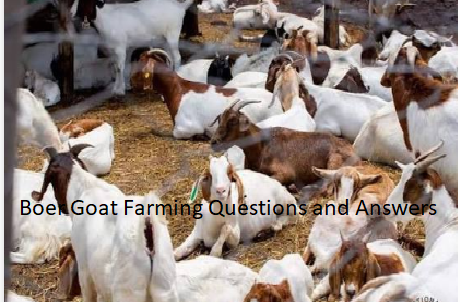
Stocking density depends heavily on forage quality, rainfall, and the specific seasonal growth of your pastures. In well-managed rotational grazing systems, a common rule of thumb is to maintain 6 to 8 adult does per acre if you are supplementing with hay. Without irrigation or high-quality forage like spring clover, you should reduce this density to prevent overgrazing and soil erosion. Overstocking often leads to a spike in parasite loads, which contributes to drug resistance in your herd.
Nutritional Requirements and Supplements
Boer goats require a balanced diet that prioritizes protein for muscle development. While they are browsers, they need access to high-quality hay during the winter or dry months to maintain body condition scores. A common mistake is neglecting minerals; provide a loose, goat-specific mineral mix at all times to support bone structure and reproductive health.
| Growth Stage | Primary Feed Focus | Protein Target |
|---|---|---|
| Weanling | Creep feed/Pasture | 16-18% |
| Breeding Doe | High-quality forage | 12-14% |
| Finishing Kid | Grain/Forage mix | 14-16% |
Selecting and Breeding Stock
When selecting foundation stock, you must prioritize structural integrity over temporary weight gains. A Boer goat should exhibit a distinct muscular build, featuring a broad chest and a deep body. These physical traits directly correlate to the amount of meat produced at slaughter.
Identifying Quality Boer Goats
Look for a strong, level back and well-sprung ribs during your selection process. Avoid animals with severe overbites, as this prevents efficient grazing and leads to lifelong nutritional deficits. The following list highlights essential traits to verify before purchasing:
- Strong, straight legs with sound hooves for mobility.
- Even pigmentation on the skin to prevent sun damage.
- A balanced, wide frame that supports rapid muscle growth.
- Clear eyes and a responsive demeanor indicating good health.
- Functional udders in does to ensure adequate milk production for kids.
Infrastructure and Shelter
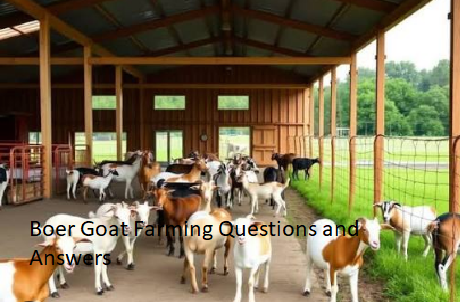
Your investment in infrastructure should focus on predator protection and climate control. Goats are susceptible to respiratory issues if kept in damp, poorly ventilated barns during the winter.
A simple three-sided shed that faces away from prevailing winds is often sufficient in mild climates. Ensure that your fencing is at least 48 inches high and constructed of woven wire to prevent both predators from entering and goats from escaping.
Frequently Asked Questions
How much space does a Boer goat need?
While stocking rates vary by geography, plan for roughly 15 square feet per goat inside a barn and significantly more in outdoor paddocks to maintain hygiene and prevent the spread of diseases.
What is the ideal age for marketing a kid?
Most producers aim to sell kids between 4 and 6 months of age, when they typically reach a weight of 60 to 90 pounds, ensuring the meat remains tender.
Why is deworming management so critical?
Because goats are prone to internal parasites, overuse of chemical dewormers quickly contributes to drug resistance, forcing producers to rely on intensive pasture rotation and selective culling.
Do these goats require supplemental grain?
Grain is not strictly necessary if you have excellent forage, but it is often required for finishing kids quickly or supporting does that are nursing twins or triplets.
Planning Your Livestock Future
Transitioning into the meat goat sector requires a clear understanding of the trade-offs between intensive management and natural grazing. By prioritizing animal health, selecting goats with a robust muscular build, and maintaining appropriate stocking densities, you create a system that remains productive over the long term. Many of the common Boer goat farming questions and answers revolve around these core operational pillars.
As you refine your approach, keep track of your local feed costs and market prices to ensure your business remains profitable. Start with a small, healthy herd, observe their performance closely, and expand only when your infrastructure and management practices are fully established.
