

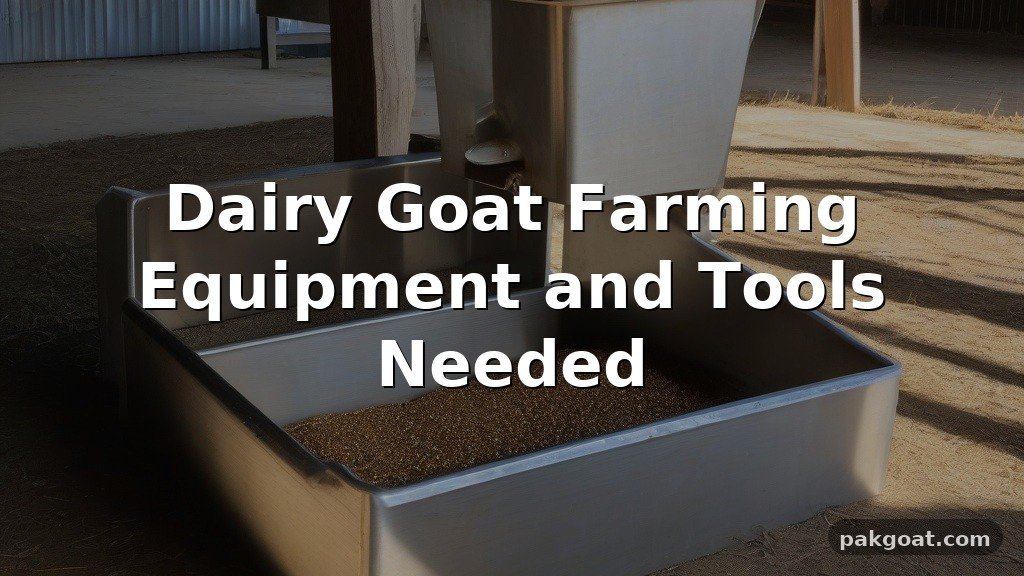
Establishing a successful operation requires a clear understanding of the dairy goat farming equipment and tools needed to maintain herd health and milk quality. Whether you are scaling up to a commercial level or maintaining a small homestead, your infrastructure directly dictates your efficiency and the sanitation of your final product. This article outlines the essential assets required for daily management, milking procedures, and general care.
By investing in the right gear early, you minimize labor costs and ensure your goats remain productive throughout their lactation cycles. Understanding these requirements helps you allocate your budget effectively while providing the highest standard of care for your animals.
Core Infrastructure Requirements
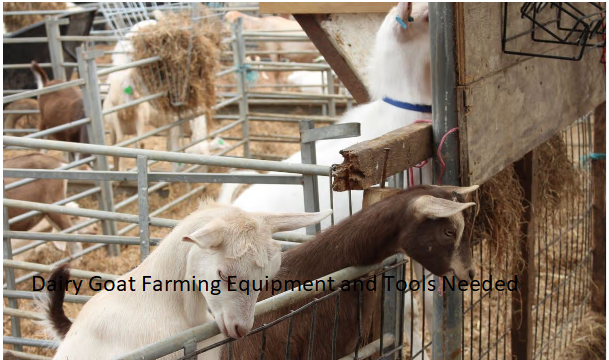
The foundation of your farm relies on housing and fencing that keeps your animals secure and dry. A draft-free barn with adequate ventilation is the most critical asset for preventing respiratory issues in your herd. You will need sturdy, non-climbable fencing, typically at least 48 inches high, to prevent escapes and keep predators out.
 `
`
Basic Feeding and Water Assets
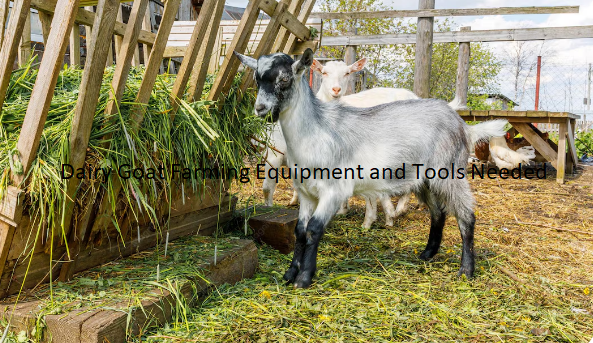
Goats are notoriously picky eaters, so high-quality feeding and watering systems are essential to reduce waste. Use wall-mounted hay racks to keep forage off the ground, which prevents parasite transmission and spoilage. For water, invest in heated troughs if you live in colder climates to ensure your goats have access to liquid water year-round.
| Item | Purpose | Material Preference |
|---|---|---|
| Hay Feeder | Prevent waste | Powder-coated steel |
| Water Trough | Hydration | Food-grade plastic or galvanized |
| Mineral Feeder | Nutrient intake | Weather-resistant plastic |
Milking Station Essentials
The milking parlor is where you will spend the majority of your time, making ergonomics and hygiene the top priorities. A raised milking stand is necessary to keep the goat still and save your back during the process. You should also ensure your milking area is easy to wash down with water to maintain strict sanitary conditions.
Tools for Milk Collection
When considering the dairy goat farming equipment and tools needed for harvest, prioritize materials that are easy to sterilize. Stainless steel is the industry standard for milk pails because it does not harbor bacteria like plastic can. If you are milking more than five goats, a portable vacuum milking machine significantly reduces the time spent in the parlor.
- Stainless steel milk pails with lids
- Teat dip cups for post-milking sanitation
- Strip cups to check for mastitis early
- Filters and stainless steel funnels
- Food-grade hoses for vacuum systems
Health and Maintenance Toolkit
Routine care requires a dedicated kit to handle minor injuries or regular health checks. Keep a supply of basic medical tools readily available to avoid scrambling during an emergency. Having these items on hand ensures you can provide immediate care before a veterinarian arrives.
Primary Health Supplies
You will need a digital thermometer to monitor temperatures, as fever is often the first sign of illness in a goat. Hoof trimmers are another non-negotiable tool; you should plan to trim hooves every 6 to 8 weeks to prevent lameness. A well-stocked kit should also include syringes, needles, and basic wound care supplies such as antiseptic sprays and gauze.
Frequently Asked Questions
What is the most important piece of equipment for a beginner?
A sturdy milking stand is the most vital investment. It simplifies the milking process, makes the goat more comfortable, and is essential for maintaining hygiene during daily sessions.
Do I need an expensive milking machine?
Not necessarily. If you have fewer than five goats, hand-milking is entirely feasible and cost-effective. Only transition to a machine if your herd size expands to a point where hand-milking becomes a physical burden.
Why is stainless steel preferred for milk containers?
Stainless steel is non-porous and resistant to corrosion. Unlike plastic, it won’t develop microscopic scratches where bacteria can hide, ensuring the milk remains uncontaminated and safe for consumption.
How often should I replace my milking liners?
Milking machine liners should be replaced every 6 months or after a specific number of milkings, as recommended by the manufacturer. Overused liners lose their elasticity and can cause teat damage or harbor bacteria.
Planning Your Farm Investment
Investing in the right gear is a long-term commitment to the productivity and well-being of your animals. While the initial list of dairy goat farming equipment and tools needed may seem extensive, focusing on high-quality, durable items saves money on replacements in the future. By maintaining a clean, organized, and efficient workspace, you set the stage for a sustainable operation.
Always prioritize sanitation and animal comfort, as these factors directly correlate with milk volume and quality. If you are just starting out, focus on the essentials first and expand your inventory as your herd grows and your specific needs become clearer.
