

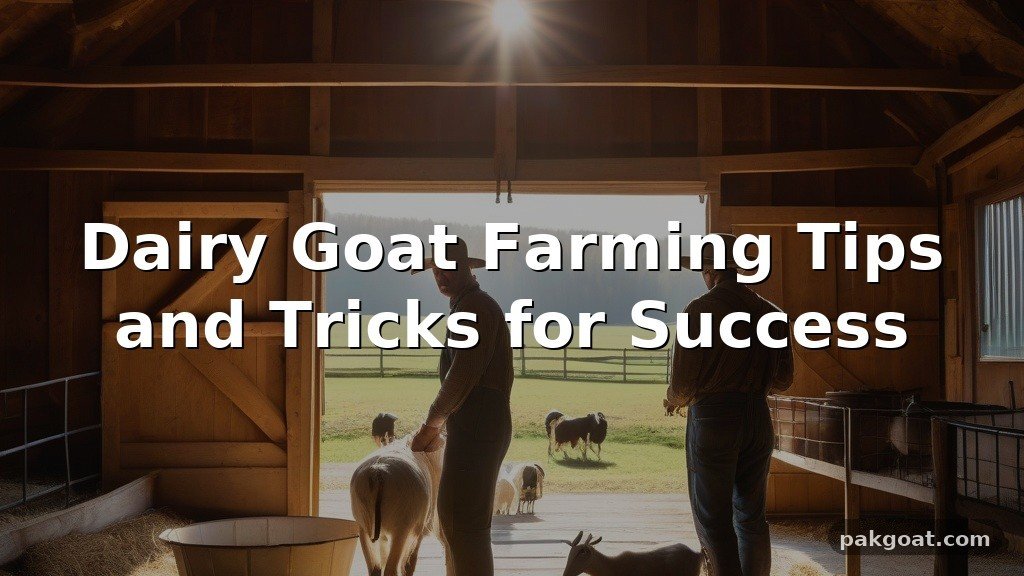
Mastering dairy goat farming tips and tricks begins with understanding that these animals thrive on routine, high-quality forage, and consistent health monitoring. Whether you are looking to produce goat milk for your family or scale up into a commercial operation, your success depends on selecting the right breed and maintaining a clean environment.
Implementing effective dairy goat farming tips and tricks early on helps prevent common issues like mastitis and nutritional imbalances. By focusing on preventative care and efficient milking protocols, you can transform a small hobby into a productive, sustainable venture that yields high-quality dairy products year after year.
Essential Starting Requirements
The most critical factor in your success is the initial choice of breed and the preparation of your infrastructure. For beginners, the Nubian or Alpine breeds are often recommended because they are resilient and produce a high volume of milk.
You will need approximately 0.1 to 0.2 acres per goat if you are relying on rotational grazing to keep them healthy. It is vital to have a sturdy, dry shelter that keeps them out of drafts, as goats are notoriously sensitive to cold, damp conditions.
Infrastructure and Feeding
- A secure, predator-proof fence at least 4 feet high.
- Individual stalls for kidding and medical isolation.
- A milking stand to secure the animal and simplify the process.
- Clean, elevated hay feeders to reduce waste and contamination.
- Constant access to fresh, clean water and loose minerals.
Financial Realities and Profitability
Dairy goat farming can be profitable if you manage your overhead costs carefully and find a reliable market for your excess milk or cheese. Many farmers find that the real value lies in value-added products like yogurt, soap, or artisan goat cheese, which command higher prices than raw milk. You should draft a formal business plan before purchasing your first animal to track your expected expenses versus potential revenue.
| Expense Category | Estimated Annual Cost per Goat |
|---|---|
| High-Quality Hay/Forage | $150 – $250 |
| Grain and Supplements | $100 – $180 |
| Veterinary Care and Vaccinations | $50 – $100 |
| Bedding and Miscellaneous | $40 – $70 |
Managing Herd Health
Goats require proactive care to remain productive throughout their milking cycle. Giving them access to baking soda is a standard practice because it helps buffer their rumen and prevents acidosis when they consume high-energy grains.
You must also establish a regular deworming schedule based on FAMACHA scores to avoid resistance to medications. It’s important to keep your milking equipment sanitized daily to ensure the milk remains safe and has a long shelf life.
Frequently Asked Questions
Is dairy goat farming profitable?
Profitability depends on your ability to process raw milk into higher-value items. While selling raw milk is restricted in many regions, selling goat milk soap or aged cheese can significantly improve your margins.
Why do goats need baking soda?
Baking soda acts as a natural antacid for goats. It helps stabilize the pH levels in their rumen, which is especially important if your goats have access to rich pasture or supplemental grain.
What is the best dairy goat for beginners?
Nubians are popular because of their high butterfat content and friendly temperament. Alpines and Saanens are also excellent choices if your primary goal is high-volume milk production.
How many acres do dairy goats need?
While goats can thrive in smaller spaces, you need at least 0.1 acres per goat for managed rotational grazing. Overstocking smaller lots often leads to parasite issues and soil degradation.
Building Your Future
Successful dairy goat farming tips and tricks are rooted in observation and consistency. By keeping detailed records of each goat’s health, breeding dates, and milk production, you will be able to make informed decisions that improve your herd’s efficiency. Focus on maintaining a clean milking parlor and providing a balanced diet to ensure the highest quality of goat milk.
As you gain experience, you’ll find that the rewards of working with these intelligent animals far outweigh the daily labor. Start small, prioritize the welfare of your animals, and you will build a solid foundation for a thriving farm. Reach out to local agricultural extensions to learn more about regional regulations and resources.
