

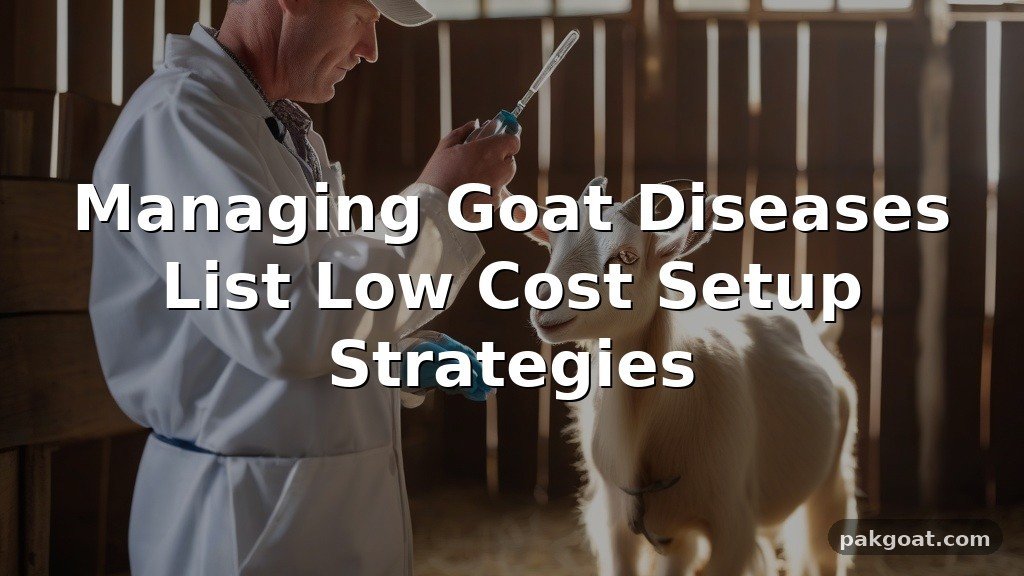
Maintaining a healthy herd through a goat diseases list low cost setup requires balancing vigilance with simple, effective infrastructure. You can significantly reduce veterinary expenses by focusing on preventative hygiene rather than reactive treatments.
This approach centers on clean housing, proper ventilation, and early detection of common ailments that typically plague small ruminants. By understanding the specific needs of your animals, you transform basic barn maintenance into a powerful tool for disease prevention.
Common Health Threats for Your Herd
When monitoring your animals, you must be aware of the primary health risks that affect goats and sheep. The most common issues often stem from internal parasites, respiratory infections, and hoof problems. Keeping a clear goat diseases list low cost setup involves training yourself to spot clinical signs early, such as lethargy, coughing, or limping.
Key Illnesses to Watch
- Caseous Lymphadenitis (CL): Characterized by abscesses near lymph nodes.
- Foot Rot: A painful bacterial infection causing lameness, often worsened by damp bedding.
- Coccidiosis: A parasitic infection causing diarrhea, most common in young kids.
- Pneumonia: Usually triggered by poor ventilation or sudden temperature drops.
- Pink Eye: Highly contagious and often spread through direct contact in crowded spaces.
Infrastructure for Disease Prevention
Building a low-cost facility doesn’t mean cutting corners on health. The most effective setup prioritizes dry, draft-free shelter and clean water access.
You can repurpose existing sheds or pallets to create modular pens that are easy to sanitize. Proper drainage is essential, as moisture is the primary catalyst for most bacterial infections.
Budget-Friendly Setup Comparison
| Feature | High-Cost Setup | Low-Cost Alternative |
|---|---|---|
| Flooring | Rubber matting | Dry, deep-bedding straw |
| Watering | Automated systems | Elevated plastic troughs |
| Ventilation | Electric fans | Strategic window placement |
| Sanitation | Chemical disinfectants | Lime and regular cleaning |
Essential Preventative Measures
A successful goat diseases list low cost setup relies on your daily routine rather than expensive medical interventions. Maintaining a closed herd is the best way to prevent the introduction of new infections.
If you must bring in new animals, quarantine them for at least 30 days before introducing them to your main group. Providing high-quality mineral supplements keeps immune systems strong, which is your first line of defense against illness.
Daily Monitoring Habits
Walk through your barn every morning to observe each animal’s behavior. A healthy goat should be alert, eating well, and moving without difficulty. If you notice an animal standing apart from the rest, isolate it immediately to prevent potential spread to the healthy herd.
Keep a simple logbook to track the vaccination schedule and deworming history for each individual. This record-keeping practice is essentially free and helps you identify recurring patterns in your barn environment. When you catch a problem early, you save money on expensive antibiotics and reduce the risk of losing an animal.
Frequently Asked Questions
What are the most common symptoms of illness in goats?
Look for changes in appetite, dull eyes, or a coat that appears rough and unkempt. Diarrhea, labored breathing, and persistent coughing are also major red flags that require immediate attention.
Is baking soda useful for goat health?
Yes, offering free-choice baking soda helps goats manage acidity in their rumen. It is a very cheap way to prevent bloating and is a staple in any low-cost health management plan.
How do I prevent foot rot without expensive supplies?
Keep your bedding dry and ensure the barn floor is well-drained. Regularly trimming hooves prevents debris from getting trapped, which is where the bacteria that cause foot rot usually start their infection.
When should I call a veterinarian?
Contact a professional if you see signs of high fever, inability to stand, or if multiple animals show symptoms at once. While home management is great, professional intervention is vital for contagious outbreaks.
Conclusion
Taking control of your animal’s health does not require a massive investment if you focus on the fundamentals of hygiene and observation. A goat diseases list low cost setup functions best when you remain consistent with daily checks and maintain a clean environment. By prioritizing dry living spaces and nutritional stability, you create a barrier against the most common infections that trouble small herds.
Start by tracking your herd’s health metrics today, as small daily adjustments lead to significant long-term savings. If you have specific questions about local veterinary resources or regional health risks, reaching out to your local state university extension office is a great way to refine your strategy.
