

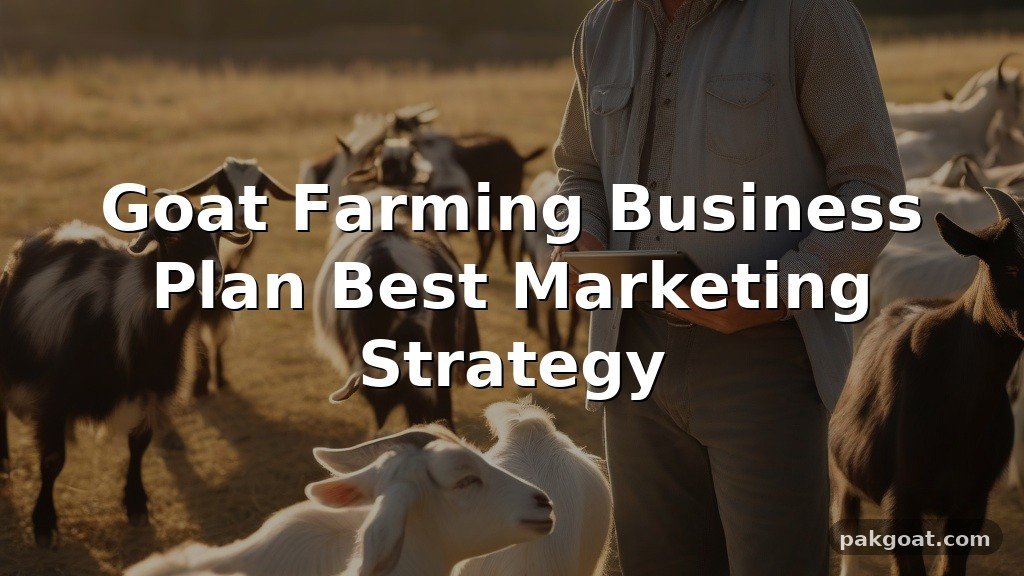
Developing a successful goat farming business plan best marketing strategy requires balancing high-quality production with direct access to your target market. Many new farmers fail because they focus entirely on herd health while neglecting the logistics of moving their products to paying customers. To succeed, you must identify your core revenue streams—whether that is meat, milk, or breeding stock—before your first kid is born.
By focusing on local demand and building a consistent supply chain, you can turn a small operation into a profitable agricultural enterprise. This article breaks down the essential steps to position your goat farm for long-term growth and consistent sales.
Core Revenue Streams and Market Positioning
The most effective goat farming business plan best marketing strategy relies on identifying high-margin products that local buyers actually want. Meat production is often the most accessible entry point for beginners, while specialty dairy products provide higher returns if you have access to processing facilities. You should choose your niche based on local demand rather than personal preference to ensure a quick return on investment.
Key Product Categories
- Meat goats: Sold live at auctions or directly to ethnic markets for premium prices during specific holidays.
- Dairy goats: Used for raw milk sales, artisan cheese production, or yogurt, requiring strict health certifications.
- Breeding stock: High-quality registered animals sold to other farmers looking to improve their own herd genetics.
- Manure: Often overlooked, this is a valuable secondary product for local organic gardeners and small-scale farms.
Financial Performance Comparison
Different revenue models offer varying levels of profitability depending on your scale and location. The table below outlines typical profit margins for various goat products, assuming a standard farm size of 50 head of livestock.
| Product Category | Estimated Annual Margin | Market Volatility |
|---|---|---|
| Commercial Meat | 15% – 20% | Moderate |
| Artisan Dairy | 35% – 50% | High |
| Breeding Stock | 40% – 60% | Low (Niche) |
| Manure/Compost | 80%+ | Very Low |
Direct-to-Consumer Marketing Tactics
Marketing your goat products effectively often means bypassing traditional wholesale auctions. By selling directly to your community, you capture the full retail value of your meat or milk.
Use social media platforms like Instagram or Facebook to showcase your herd and the high standards of your animal welfare practices. Customers are often willing to pay a premium for transparency and locally sourced products.
Building a Local Customer Base
Participating in local farmers’ markets provides immediate cash flow and helps you build a loyal customer base. You should provide clear signage and free samples when possible to differentiate your goods from mass-produced supermarket options. Collecting email addresses at these events allows you to notify customers when new batches of cheese or specific meat cuts are available.
Frequently Asked Questions
What is the most profitable goat product?
Breeding stock and value-added dairy products like artisanal cheese generally offer the highest profit margins. However, these require more time and regulatory compliance than simply selling live meat goats.
How many acres are needed for 100 goats?
A general rule of thumb is 1 acre for every 6 to 10 goats, depending on pasture quality and your use of supplemental feed. You must rotate pastures regularly to prevent overgrazing and parasite buildup.
Is a formal business plan necessary for a small farm?
Yes, even a simple document helps you track your expenses, such as feed, veterinary care, and infrastructure costs. It acts as a roadmap to ensure you aren’t spending more than you earn during the first two years of operation.
How do I find buyers for my meat goats?
Focus on local ethnic communities that observe cultural holidays requiring goat meat. Establishing a relationship with local butchers or restaurant owners who prioritize farm-to-table sourcing is also a reliable strategy.
Long-Term Growth
Executing a sound goat farming business plan best marketing strategy is a marathon, not a sprint. Success depends on your ability to maintain healthy, productive animals while keeping your overhead costs low. Start small, focus on building a reputation for quality in your local area, and scale your herd only when your demand consistently exceeds your current supply.
By staying consistent with your marketing and keeping a close eye on your financial margins, you will build a stable and profitable farm. Reach out to local agricultural extension offices or established breeders to learn about specific regional regulations that might impact your growth plans.
