

Developing a solid goat farming business plan equipment and tools needed involves balancing initial capital with long-term operational efficiency. Whether you are focusing on a dairy goat enterprise or meat production, your infrastructure choices dictate your daily workload and animal health outcomes. This article breaks down the essential assets required to launch a sustainable operation, helping you allocate your budget toward tools that provide the best return on investment.
By prioritizing durable, scalable equipment, you avoid the common trap of overspending on items that don’t directly contribute to your bottom line. Proper planning ensures your goat farm is both productive and manageable from the very first day.
Essential Infrastructure and Fencing
The foundation of any successful goat farm is secure and functional housing. Goats are notorious escape artists and require robust fencing to remain safe from predators and contained within their designated grazing zones.
Fencing Requirements
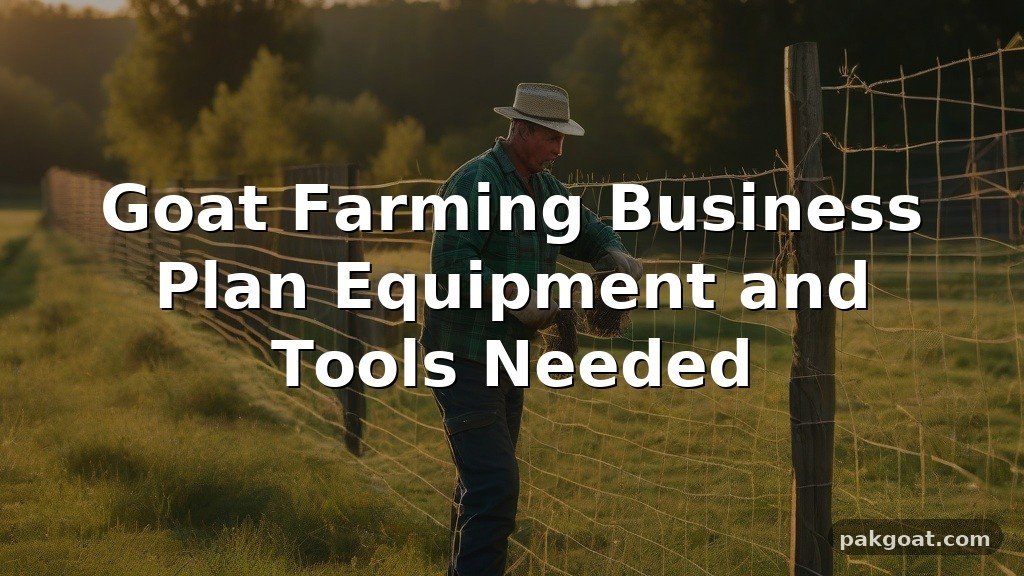
Woven wire fencing is generally considered the industry standard for goats. You should aim for a height of at least 48 inches to discourage jumping. If you are dealing with smaller breeds, ensure the mesh size is narrow enough to prevent the animals from sticking their heads through and getting stuck.
Shelter Design
Your shelter does not need to be expensive, but it must be dry and draft-free. A simple three-sided shed facing away from prevailing winds is often sufficient for most climates. Ensure the structure provides roughly 12 to 15 square feet of space per doe to prevent overcrowding and reduce the spread of respiratory infections.
Tools for Daily Herd Management
Managing a healthy herd requires a specific set of tools for routine care and maintenance. Having these items organized in a central location saves significant time during daily chores.
- Hoof trimmers for regular maintenance every 6 to 8 weeks.
- Digital scales to monitor weight gain and track feed efficiency.
- Medical kits containing thermometers, antiseptic, and deworming supplies.
- Colostrum feeders and bottles for managing newborn kids.
- Identification tags or ear notches to maintain accurate breeding records.
Equipment for Dairy Operations
If you are entering the dairy goat market, your equipment list expands to include milking and processing gear. Hygiene is the most critical factor here, as milk quality standards are strictly regulated.
Milking Equipment
For small-scale operations, a manual or portable electric milking machine is a significant upgrade from hand milking. These units reduce the risk of mastitis and significantly increase your milking speed.
Processing and Storage
You will need stainless steel buckets, strainers, and cooling tanks to bring milk temperatures down quickly. Rapid cooling is essential to maintain the quality of the goat milk before it is processed or sold.
| Equipment Category | Estimated Cost Range | Primary Utility |
|---|---|---|
| Basic Fencing (per 100ft) | $300 – $600 | Containment and predator protection |
| Milking Machine | $500 – $1,500 | Increased efficiency and hygiene |
| Medical/Vet Kit | $150 – $300 | Herd health and emergency care |
| Feeding Systems | $200 – $500 | Reducing feed waste |
Frequently Asked Questions
What is the most profitable goat product?
Profitability varies by region, but goat milk and high-end artisanal cheeses often yield higher margins than meat. However, meat goats require less daily labor, which can improve the overall return on your time investment.
How many acres do I need for 100 goats?
A common rule of thumb is that you can support 6 to 10 goats per acre, depending on the quality of your pasture and your willingness to supplement with hay. Overstocking leads to soil degradation and increased parasite loads.
How many goats should a beginner start with?
Experts typically recommend starting with a small herd of 3 to 5 does. This allows you to learn the nuances of animal behavior and health management without being overwhelmed by the physical demands of a larger operation.
What is the most important piece of equipment?
High-quality fencing is the most important investment you will make. Poor fencing leads to lost animals, broken infrastructure, and strained relationships with neighbors, which can derail your business plan early on.
Building Your Sustainable Future
Investing in the right infrastructure is a foundational step in your goat farming business plan equipment and tools needed. While it is tempting to purchase every high-tech gadget on the market, focus your initial capital on secure fencing and reliable shelter. These two assets minimize your daily risks and provide the stability required for your herd to thrive.
Once your management routines are established, you can reinvest your profits into specialized milking or feeding equipment to scale your production. Remember that the most successful farms are those that prioritize animal health and operational simplicity. Reach out to local agricultural extension offices to find specific recommendations for your climate and soil type as you begin your journey.
