

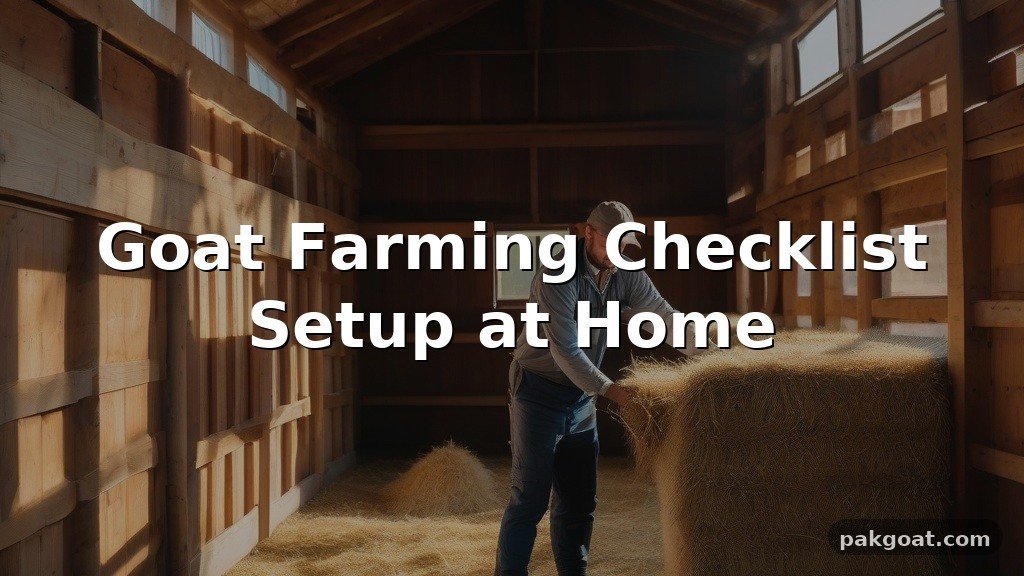
Executing a successful goat farming checklist setup at home requires careful planning and a clear understanding of your local zoning laws. Beginners often overlook the importance of proper fencing and shelter, which are the two most critical components for keeping a herd healthy and secure. By prioritizing these structural needs before purchasing your first animals, you ensure a smoother transition into small-scale livestock management.
This guide provides the essential steps and resource requirements to help you establish a sustainable homestead operation. You’ll gain insights into space allocation, nutritional needs, and the daily maintenance required to keep your goats thriving in a domestic environment.
Essential Requirements for Beginners
To get started with your goat farming checklist setup at home, you must prioritize basic infrastructure that protects your animals from predators and harsh weather. You need at least 15 square feet of indoor shelter per goat and roughly 200 to 300 square feet of outdoor exercise area per animal. Always verify your local municipal ordinances, as many residential areas have specific restrictions regarding livestock density and noise levels.
Infrastructure and Supplies
- Sturdy Fencing: Goats are notorious escape artists; use woven wire fencing at least 4 feet high.
- Dry Shelter: A three-sided structure facing away from prevailing winds is sufficient in moderate climates.
- Water Access: Goats require clean, fresh water daily, typically 1 to 3 gallons depending on their size and heat levels.
- Feeding Troughs: Elevated feeders prevent waste by keeping hay off the ground where it can be contaminated.
- Mineral Supplements: Loose goat-specific minerals are essential to prevent deficiencies that common livestock blocks might miss.
Cost and Space Comparison
Understanding the financial and spatial commitment is vital for long-term viability. The following table breaks down typical requirements for a small home setup of 3 to 5 goats.
| Category | Space Needed | Estimated Annual Feed Cost |
|---|---|---|
| Shelter | 45–75 sq. ft. | N/A |
| Pasture/Paddock | 600–1,500 sq. ft. | $300–$600 |
| Medical/Supplies | N/A | $100–$200 |
Managing Daily Nutrition
Goats are browsers, not grazers, meaning they prefer to eat leaves, shrubs, and weeds rather than just grass. You must provide high-quality hay during winter months or when natural forage is insufficient.
If you’re raising goats for milk, their nutritional demands increase significantly, requiring higher protein intake to maintain production levels. Always monitor their body condition scores to ensure they are neither underweight nor obese, as both extremes lead to health complications.
Frequently Asked Questions
What is the minimum number of goats I should start with?
Goats are herd animals and suffer from severe stress if kept alone. You should always start with at least two goats to ensure their social and emotional well-being.
How much space is needed for 100 goats?
While residential setups rarely accommodate this many, a commercial scale typically requires at least 10 to 20 acres of high-quality pasture. This ensures the land can regenerate and prevents the buildup of internal parasites.
What is the best fencing material for goats?
Woven wire “no-climb” fencing is the industry standard for keeping goats contained. Avoid electric strands alone, as goats often test the fence and learn how to jump over or crawl under it.
How long does it take for goats to clear an acre of brush?
Ten goats can clear approximately one acre of heavy, overgrown brush in about two to three weeks. This rate varies significantly based on the density of the vegetation and the breed of goat.
Sustainable Management Practices
Effective management of your goat farming checklist setup at home relies on consistent observation and preventative care. Establish a relationship with a local veterinarian who specializes in small ruminants before an emergency happens. Keep a detailed log of vaccinations, deworming schedules, and feed purchases to track your progress and identify potential cost-saving opportunities.
Maintaining a clean, dry environment is the most effective way to prevent hoof rot and respiratory issues. By staying diligent with your daily routines, you will create a productive and rewarding environment for your animals. Embrace the learning curve, as every season brings new challenges that help you refine your approach to home-based livestock keeping.
