

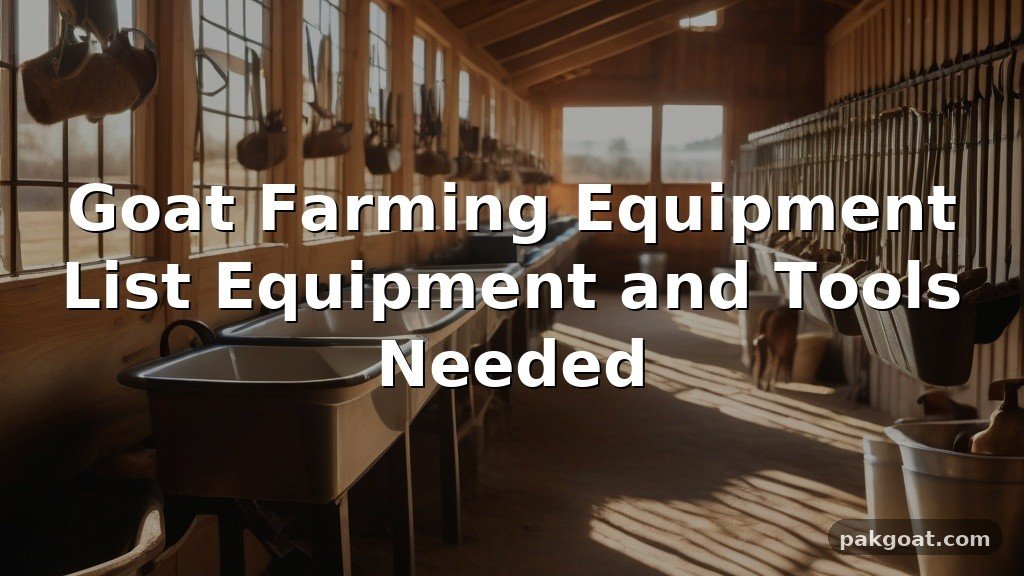
Getting started with a small herd requires careful planning, and having a reliable goat farming equipment list equipment and tools needed is the first step toward operational success. Whether you are focusing on dairy production or meat goats, your investment in the right gear directly impacts animal welfare and labor efficiency.
You will need to balance the initial capital outlay against the long-term durability of the items you select. This overview covers the essential infrastructure and handheld tools required to maintain a healthy herd while managing your daily workload effectively on the farm.
Essential Infrastructure and Housing
The primary requirement for any goat operation is secure containment and protection from the elements. Goats are notorious escape artists, so your fencing must be robust enough to withstand their climbing and rubbing habits. Woven wire fencing, typically at least 48 inches high, remains the industry standard for keeping livestock contained while excluding predators.
Housing Requirements
Shelter does not need to be elaborate, but it must be dry and draft-free. A simple three-sided shed facing away from prevailing winds provides adequate protection for most climates. Ensure you provide at least 15 square feet of indoor space per goat to prevent overcrowding and stress.
Feeding and Watering Systems
Efficient feeding and watering systems are critical to maintaining herd health and minimizing waste. Goats are selective eaters and will quickly contaminate their feed if it is placed directly on the ground. Using elevated feeders keeps hay clean and ensures that your forage costs remain manageable.
Watering Solutions
Water consumption is vital for milk production and overall growth. Goats are sensitive to water quality and will refuse to drink if the source is dirty. Use heavy-duty troughs or automatic waterers that are easy to scrub and disinfect to keep your livestock hydrated.
| Equipment Category | Primary Function | Estimated Maintenance Frequency |
|---|---|---|
| Hay Feeders | Prevent feed wastage | Weekly cleaning |
| Water Troughs | Hydration | Daily scrubbing |
| Hoof Trimmers | Mobility maintenance | Every 6-8 weeks |
| Milking Stand | Restraint for milking | After every use |
Health and Maintenance Tools
Routine maintenance is part of the daily rhythm of managing a healthy farm. A basic kit should include tools for hoof care, medical administration, and grooming. Keeping these items organized in a portable caddy allows you to attend to minor issues before they escalate into veterinary emergencies.
- Hoof trimmers for regular mobility maintenance
- Stainless steel buckets for milking or water transport
- Drenching guns for oral medication delivery
- Grooming brushes to monitor skin health
- First aid supplies including antiseptic and bandages
Frequently Asked Questions
What is the most important piece of equipment for a beginner?
The most critical investment is high-quality fencing. Without a secure perimeter, you risk losing your livestock to predators or neighbors’ complaints, which makes all other tools irrelevant.
How many goats can I keep on one acre?
While it depends on your climate and forage quality, a common rule of thumb is 4 to 6 goats per acre. You must ensure you have adequate supplemental hay during the winter months.
Do I really need a milking stand?
If you plan on milking, a stand is essential for your safety and the goat’s comfort. It keeps the animal stationary and at a height that prevents back strain for the milker.
What materials should I look for in feeding equipment?
Always prioritize stainless steel or heavy-duty food-grade plastic. These materials are easier to sanitize and are less likely to harbor bacteria than wood or porous metals.
Building Your Operation
As you assemble your gear, focus on acquiring durable items that can handle the rugged environment of a working farm. Investing in quality tools now reduces the need for constant replacements and helps you maintain a consistent routine. When you review your goat farming equipment list equipment and tools needed, remember that your specific setup should reflect your herd size and production goals.
Start with the essentials like secure fencing and clean feeders, then expand your inventory as your operation grows. Consistent care and the right equipment will ensure your goats remain healthy and productive for years to come. If you have questions about specific brands or setups, reach out to local agricultural extension offices for advice tailored to your region.
