

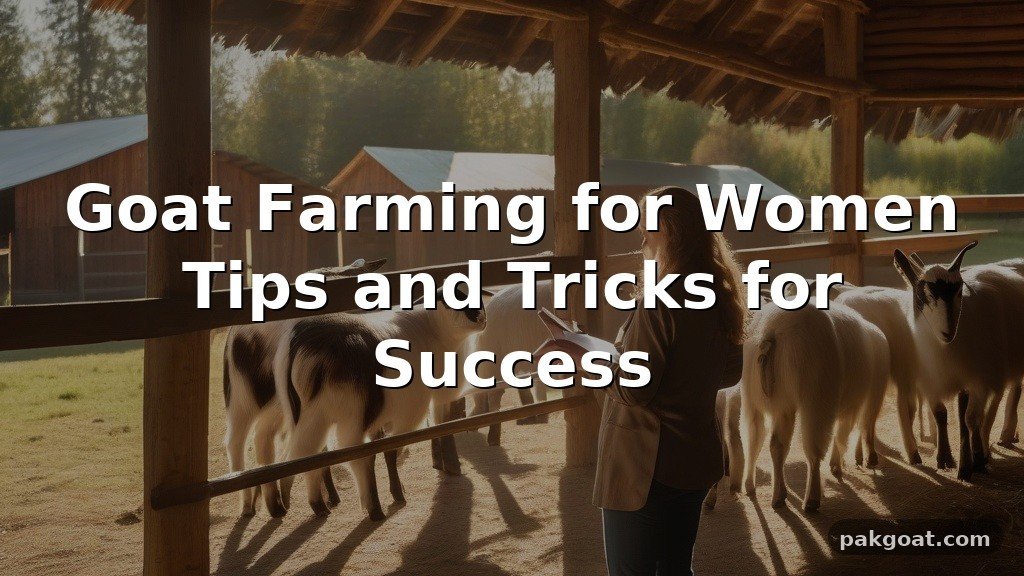
Mastering goat farming for women tips and tricks requires a balance of hands-on animal husbandry and strategic financial planning. Whether you are aiming for high-quality milk production or meat sales, the primary goal is to ensure your herd remains healthy, productive, and profitable.
By focusing on specific infrastructure needs and nutritional requirements, you can build a sustainable operation that fits your lifestyle. This article provides the essential facts, figures, and management strategies to help you get started with confidence.
Starting Your Herd: The Numbers That Matter
For a beginner, the most common question involves the size of the initial investment. Experts generally recommend starting with two to four does to learn the ropes without becoming overwhelmed by labor demands. You must account for initial costs including shelter, medical supplies, and high-quality breeding stock.
Essential Startup Costs
| Expense Category | Estimated Cost (USD) |
|---|---|
| Breeding Doe (Each) | $250 – $600 |
| Shelter Construction | $500 – $1,500 |
| Initial Fencing Materials | $300 – $800 |
| Basic Health Kit | $100 – $200 |
Managing Daily Nutritional Requirements
Goats are browsers, not grazers, meaning they prefer to eat leaves, shrubs, and weeds over short grass. Providing a steady supply of high-quality hay is vital during winter months or when pasture quality declines. Always ensure your goats have access to clean water and a mineral block designed specifically for caprine health.
Dietary Priorities
- Legume Hay: Provides essential protein for lactating does.
- Mineral Supplements: Essential for preventing common deficiencies like copper or selenium lack.
- Clean Water: Goats are notoriously picky and will refuse water that is slightly dirty.
- Forage Access: Allowing the herd to browse helps naturally control parasites by keeping them off the ground.
Infrastructure and Fencing Requirements
Proper fencing is the single most important investment you will make. Goats are escape artists that can squeeze through surprisingly small gaps in wire or climb over weak structures. Woven wire fencing at least 48 inches high is the industry standard to keep predators out and your herd in.
Shelter and Housing
Your shelter needs to be dry, draft-free, and well-ventilated to prevent respiratory infections. A simple three-sided shed facing away from prevailing winds is often sufficient for moderate climates. Ensure the floor is kept dry with straw or wood shavings to prevent hoof rot and other bacterial issues.
FAQ
How many goats should a beginner start with?
Starting with two or three does is ideal. This allows you to manage the workload while ensuring the animals have the social companionship they need to stay calm.
What should a first-time goat owner know?
You must understand that goats are herd animals and will become stressed if kept in isolation. Prioritize building a relationship with a large-animal veterinarian before an emergency occurs.
What food makes goats grow faster?
While high-protein alfalfa hay and specialized pellets can boost growth, a balanced diet is safer than forced rapid growth. Focus on consistent weight gain through steady access to quality forage and minerals.
What do goats need to be happy?
Goats thrive when they have space to climb, browse, and interact with other goats. A clean, dry environment and protection from extreme weather are the foundations of a happy herd.
Building a Sustainable Future
Successful small-scale animal husbandry relies on your ability to monitor the health of every individual. By applying these goat farming for women tips and tricks, you gain the technical knowledge to manage breeding cycles and production schedules effectively. Remember that consistent observation is your best tool for identifying health issues before they become major expenses.
As you grow your operation, keep detailed records of feed costs and production yields to refine your business model. You have the capacity to turn a small backyard project into a productive agricultural asset with the right preparation. Reach out to local agricultural extension offices to connect with mentors who can offer region-specific advice as you embark on this rewarding journey.
