

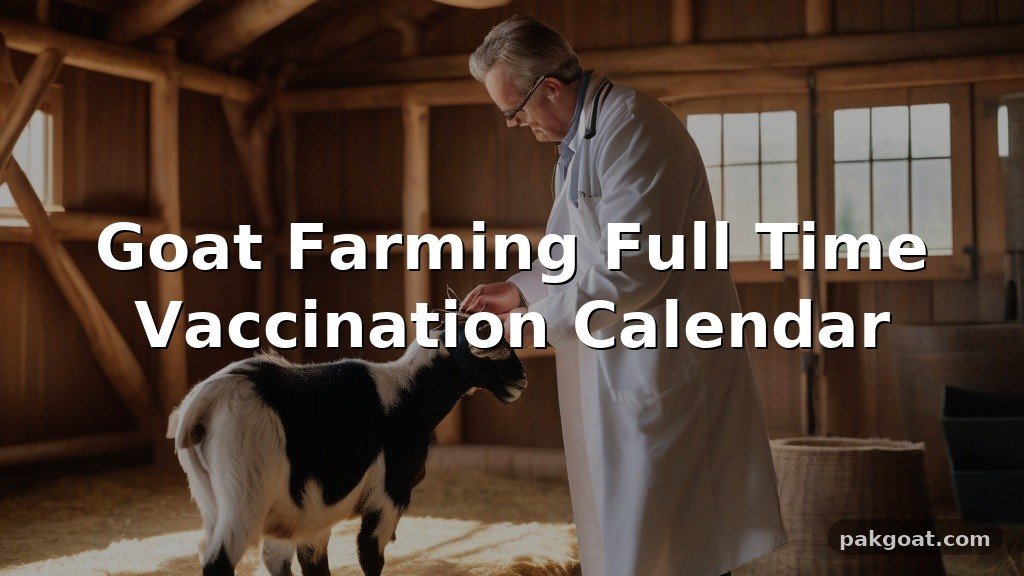
Maintaining a strict goat farming full time vaccination calendar is the primary defense against common diseases that can devastate a commercial herd. By adhering to a disciplined schedule, you protect your investment and ensure the long-term health of your animals. This guide provides the specific timing and protocols needed to keep your farm operating at its peak potential.
Standard Vaccination Schedule
The core of a successful goat farming full time vaccination calendar revolves around the CDT vaccine, which protects against Clostridium perfringens types C and D, and Tetanus. For adult goats, you should administer this booster annually. If your region has high disease pressure, some veterinarians suggest a biannual schedule.
Key Timing for Kids and Does
* Kids: Initial dose at 8 weeks, followed by a booster 4 weeks later.
* Pregnant Does: Administer a booster 3 to 4 weeks before kidding to ensure high antibody levels in the colostrum.
* Bucks: Maintain an annual booster to ensure they remain protected during breeding seasons.
Vaccination Protocol Comparison
The following table outlines the standard timing for the most critical immunizations required for a healthy herd. Always consult with a local veterinarian to adjust these dates based on regional outbreaks or specific farm conditions.
| Animal Stage | Vaccine Type | Timing |
|---|---|---|
| Kids (First dose) | CDT | 8 weeks of age |
| Kids (Booster) | CDT | 12 weeks of age |
| Pregnant Does | CDT | 3-4 weeks before kidding |
| Adult Herd | CDT | Annually |
Managing Herd Health
Beyond the CDT vaccine, your farm may require additional medicine based on local risks. Many producers include rabies or caseous lymphadenitis (CL) vaccines if these diseases are endemic to their area. Keep detailed records of every animal vaccinated, including the date, the specific batch number, and the route of administration.
Record keeping is vital for identifying which animals are due for their next round of medicine. If you notice a drop in milk production or poor weight gain, check your records immediately to ensure the vaccination schedule was followed. Consistent monitoring prevents the spread of preventable infections throughout your pens.
Frequently Asked Questions
What is the 3-2-1 rule for goats?
The 3-2-1 rule refers to a common guideline for managing kids: 3 days of colostrum, 2 weeks of observation, and 1 vaccination round at 8 weeks. It ensures the immune system is primed before the first major dose of the CDT vaccine.
Can I vaccinate pregnant does safely?
Yes, vaccinating pregnant does 3 to 4 weeks before kidding is standard practice. It allows the doe to pass immunity to her kids through the colostrum, providing them with critical protection during their first few weeks of life.
What is in the 7-way vaccine for goats?
A 7-way vaccine covers seven different strains of Clostridial diseases. While it is more comprehensive than a standard CDT, it is not always necessary for every farm. Discuss with your vet if your specific soil conditions require this broader coverage.
How do I store vaccines properly?
Most vaccines must be kept refrigerated at temperatures between 35°F and 45°F. Never freeze them, as this destroys the efficacy of the medicine. Always check the expiration date on the bottle before use.
Maintaining Long-Term Success
Developing a consistent goat farming full time vaccination calendar requires discipline, but it is the most effective way to minimize losses and maximize herd productivity. By prioritizing preventive care, you reduce the need for emergency veterinary interventions and keep your livestock thriving. Regularly review your protocols with a professional to account for any changes in regional disease threats or new research in animal health.
Start by establishing a clear logbook today to track your progress and keep your operation running smoothly. If you have questions about specific regional risks, reach out to your local agricultural extension office for advice tailored to your climate and land.
