

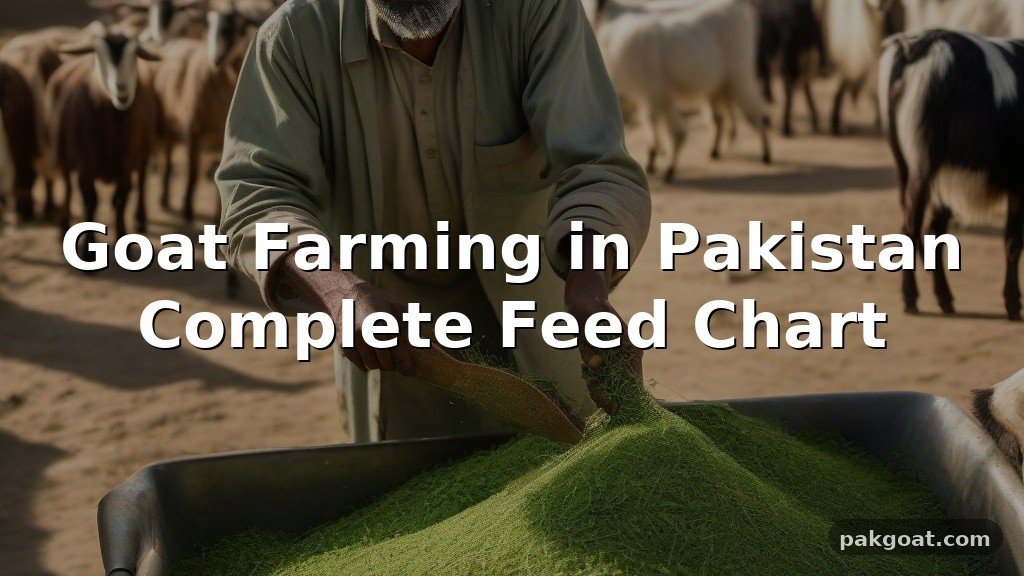
Developing an effective goat farming in pakistan complete feed chart is essential for maximizing weight gain and milk production in your herd. Proper nutrition represents the largest operational expense, yet it is the primary factor determining your profitability in the livestock sector. By balancing dry matter intake with high-quality protein and energy sources, you ensure your animals remain healthy and productive throughout the year.
This guide provides the specific ratios and nutritional requirements necessary to manage a successful goat farm in various regions, including the diverse climates of Sindh and Punjab.
Daily Feed Requirements for Optimal Health
A standard adult goat requires approximately 3% to 4% of its body weight in dry matter daily to maintain health and productivity. For an average goat weighing 40kg, this equates to roughly 1.2kg to 1.6kg of dry feed intake every day. When building your goat farming in pakistan complete feed chart, you must divide this intake into two main categories: roughage and concentrates.
Roughage, such as green fodder or hay, should make up at least 60% of the total diet to maintain proper rumen function. The remaining 40% consists of concentrates, which provide the high-energy and protein boost needed for rapid growth or lactation.
Nutritional Composition of Feed
The ideal diet relies on a mix of locally available ingredients to manage costs while meeting metabolic needs. Goats thrive on a combination of seasonal green fodder, wheat straw, and balanced concentrate mixtures.
| Feed Category | Percentage of Total Diet | Key Nutritional Contribution |
|---|---|---|
| Green Fodder | 60% | Fiber and Vitamins |
| Concentrate Mixture | 30% | Protein and Energy |
| Wheat Straw/Hay | 10% | Roughage/Filler |
Essential Components of a Balanced Diet
To achieve the best results, you need to include specific ingredients that are readily available in local markets. A high-quality concentrate mixture is the backbone of any productive operation.
- Wheat Bran: Provides essential bulk and minerals.
- Cottonseed Cake: A primary source of protein for muscle development.
- Maize/Corn: High energy content for weight gain.
- Molasses: Improves palatability and provides quick energy.
- Mineral Mixture/Salt: Vital for preventing metabolic deficiencies.
Managing Seasonal Fluctuations
The availability of green fodder changes significantly across the seasons in Pakistan. During the winter months, berseem clover is the primary high-protein forage, while summer months rely on maize and sorghum. You must adjust your goat farming in pakistan complete feed chart whenever these forage sources shift to prevent digestive issues. If green fodder is scarce, increase the proportion of high-quality hay or silage to compensate for the missing fiber. Always ensure clean, fresh water is available at all times, as water intake directly impacts the animal’s ability to process dry feed.
Frequently Asked Questions
How much concentrate should I feed a milking goat?
A milking goat requires more energy than a dry animal. Provide approximately 300 to 500 grams of concentrate mix daily, adjusted based on the volume of milk produced.
Is it necessary to provide mineral blocks?
Yes, free-choice mineral blocks are critical. They prevent deficiencies in zinc, copper, and selenium that are common in local soil types.
What is the best time to feed goats?
Divide the daily ration into two equal portions. Feed them once in the early morning and once in the late afternoon for consistent rumen activity.
Can I feed kitchen waste to my goats?
Vegetable scraps can be used as a supplement, but they should not form the bulk of the diet. Ensure the waste is fresh and free from mold or chemical contaminants.
How do I know if the feed is working?
Monitor the body condition score and the shine of the coat. Healthy goats should have a steady growth rate and should not appear lethargic or bloated after eating.
Conclusion
Implementing a structured goat farming in pakistan complete feed chart is the most reliable way to stabilize your production costs and improve animal health. By focusing on a balanced ratio of green fodder and nutrient-dense concentrates, you provide your herd with the fuel necessary for consistent growth. Remember that consistency in feeding times and high-quality ingredients are just as important as the specific quantities listed in your chart.
As you gain more experience, observe your herd closely and adjust the rations based on individual performance and seasonal availability. If you maintain these nutritional standards, you will see measurable improvements in your overall farm output and long-term financial success.
