

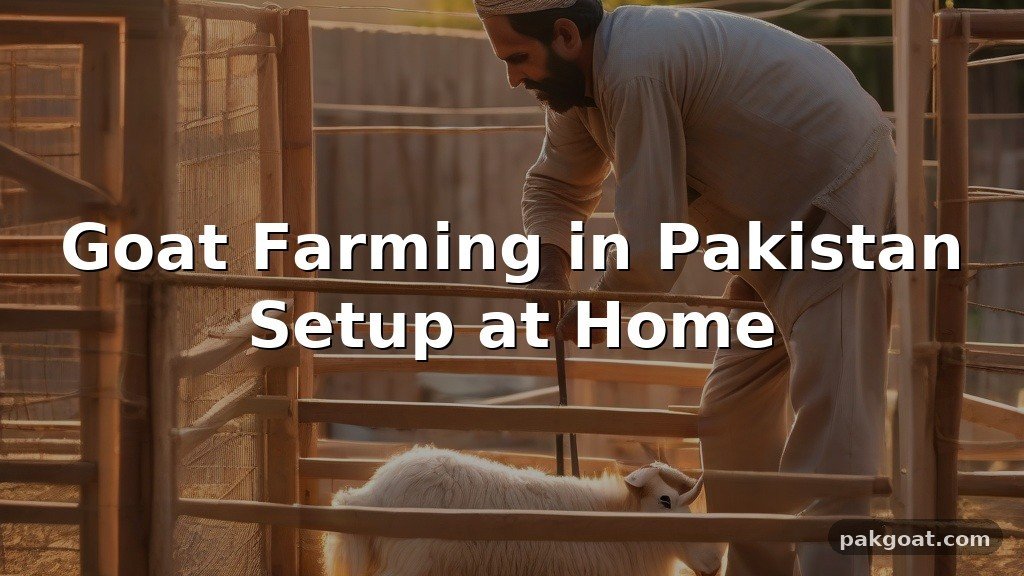
Starting goat farming in Pakistan setup at home offers a viable pathway for supplemental income or small-scale commercial production. Many households across the country utilize backyard space to raise livestock, leveraging local demand for meat and dairy products. Success in this venture requires understanding basic animal husbandry, space management, and nutritional requirements.
By focusing on efficient housing and breed selection, you can establish a productive unit with relatively low initial capital. This article provides the essential technical details to help you transition from planning to active management while maintaining healthy, productive livestock in a residential or small-plot setting.
Initial Investment and Setup Costs
The cost of goat farming in Pakistan setup at home varies significantly based on your scale and current infrastructure. For a small backyard unit of 10 to 20 goats, you can expect an initial investment ranging between PKR 150,000 and PKR 400,000. This budget covers the purchase of livestock, basic shed construction, and the first few months of feed.
| Expense Category | Estimated Cost (PKR) |
|---|---|
| Shed Construction (per sq. ft) | 800 – 1,200 |
| Healthy Goat (Breed Dependent) | 25,000 – 60,000 |
| Vaccination & Initial Vet Care | 5,000 – 10,000 |
| Feed (First 3 Months) | 30,000 – 50,000 |
Infrastructure and Housing Requirements
Providing a clean, dry, space efficiency is critical for maintaining herd health. Goats are highly susceptible to respiratory issues and parasites if kept in damp or overcrowded conditions. You should aim for a design that allows for proper ventilation while protecting the animals from extreme heat and heavy rainfall.
Design Principles
Elevated flooring is the gold standard for home-based goat farming. A wooden or bamboo slatted floor allows manure and urine to fall through, keeping the animal’s living area dry. Ensure the shed has a roof height of at least 7 to 8 feet to facilitate airflow during the intense summer months.
Space Allocation
For a small-scale setup, pregnant does, and kids require slightly more attention and space than mature bucks. Each adult goat typically needs about 10 to 12 square feet of covered area. You should also include a small open paddock or exercise yard to ensure the animals remain active and healthy.
Selecting Suitable Goat Breeds
Your choice of breed should align with your primary objective, whether it is meat production, milk yield, or both. In Pakistan, breeds like Beetal and Rajhanpuri are popular for their dual-purpose capabilities. If you are a beginner, consider starting with hardy local breeds that are already acclimatized to your specific region’s weather.
- Beetal: Excellent for both milk and meat, known for high adaptability.
- Rajhanpuri: Popular for rapid weight gain and meat quality.
- Teddy: Small-sized, ideal for limited backyard spaces and high reproductive rates.
- Dera Din Panah: Renowned for high milk production in specific climates.
Nutritional Management and Fodder
A balanced diet is the cornerstone of profitable livestock management. Goats require a mix of energy, protein, and minerals to maintain body condition and support lactation. You should aim to source affordable, locally available feed to keep operational costs low.
Green Fodder and Concentrates
Green Fodder: Crops like berseem, lucerne, and maize are essential for digestive health and provide necessary vitamins. You should supplement this with a concentrate mix consisting of wheat bran, oilseed cakes, and minerals. Always provide clean, fresh water at least twice a day, as dehydration significantly impacts milk yield and growth rates.
Frequently Asked Questions
How much land is needed for 100 goats?
For 100 goats, you generally need about 1,000 to 1,200 square feet of covered shed space. If you intend to grow your own fodder, you would require approximately 2 to 3 acres of additional land.
What is the best age to buy goats for a startup?
Purchasing goats that are 6 to 12 months old is usually the best approach for beginners. These animals are past the high-mortality kid stage but are not yet fully mature, allowing them to adapt well to your specific home environment.
How often should I vaccinate my goats?
Consult a local veterinarian to create a schedule, but generally, you must vaccinate against Enterotoxaemia and PPR (Peste des Petits Ruminants) annually. Regular deworming is also required every 3 to 4 months to prevent internal parasites.
Can I keep goats in a residential area?
Yes, as long as you maintain strict hygiene to manage odor and waste. Proper waste disposal, such as composting manure, prevents flies and keeps the environment clean for both your animals and your neighbors.
Conclusion
Successful goat farming in Pakistan setup at home relies on consistent attention to animal health and efficient resource management. By prioritizing proper ventilation, a balanced diet, and selecting the right breed for your goals, you can build a sustainable operation. Start small to learn the nuances of animal behavior and local market cycles before scaling up your herd.
Taking the time to build a solid foundation ensures that your home-based venture remains profitable and manageable over the long term. If you have any specific concerns about your local climate or feed availability, consulting a nearby livestock officer is the best next step to refine your strategy.
