

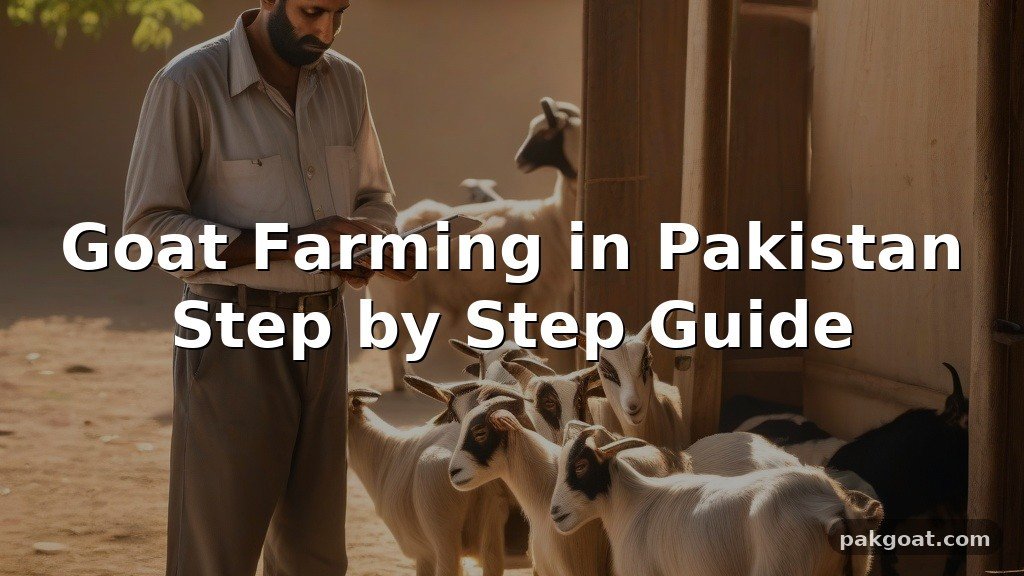
Starting a successful livestock enterprise requires careful planning, and following a goat farming in Pakistan step by step guide is the most reliable way to ensure profitability. Pakistan’s climate and geography offer a natural advantage for small ruminant husbandry, making it a lucrative venture for both smallholders and commercial investors. By focusing on breed selection, proper housing, and strict health protocols, you can maximize your returns.
This article provides the essential framework for establishing a farm, helping you avoid common pitfalls while capitalizing on the rising market demand for meat and dairy. Whether you are aiming for a small backyard setup or a large-scale feedlot, these foundational steps will set your operation on the path to growth.
Initial Costs and Requirements
The financial barrier to entry is relatively low compared to cattle farming, but you must account for land, infrastructure, and stock. A beginner can expect to spend approximately PKR 300,000 to 500,000 to establish a modest farm of 20 to 30 goats, excluding land costs. For a more intensive commercial operation, initial capital requirements often exceed PKR 2 million due to advanced machinery and higher feed storage needs.
Land and Space Allocation
You need roughly 10 to 15 square feet of covered space per goat to prevent overcrowding and stress. If you plan on rotational grazing, a small herd of 100 goats requires at least 2 to 3 acres of managed grazing land to supplement their diet. Always ensure the site has access to clean, running water, as dehydration is a leading cause of loss in goat production.
Selecting the Right Breed
The success of your farm depends heavily on choosing a breed that suits your local climate and your specific business goals. In Pakistan, certain breeds are prized for their growth rates and milk production, making them ideal for commercial ventures.
- Beetal Goat: Highly popular for its large frame and excellent milk yield.
- Kamori Breed: Known for its unique appearance and high adaptability to the Sindh region.
- Rajanpuri Goats: Excellent for meat production due to their fast weight gain and heavy body structure.
Infrastructure and Shed Construction
Your farm layout must prioritize hygiene and ventilation to keep the animals healthy. Build your sheds using locally available materials like wood, brick, or bamboo, but ensure the floor is raised or sloped to prevent moisture accumulation.
| Feature | Requirement |
|---|---|
| Floor Type | Slatted or concrete with a 2% slope |
| Wall Height | 8 to 10 feet for proper airflow |
| Feeding Troughs | 1.5 feet per animal length |
| Water Access | Automatic bowls or elevated troughs |
Nutrition and Fodder Management
Sustainable goat production relies on a balanced diet that includes both green fodder and dry concentrate. During the winter months, you should store enough silage or hay to compensate for the lack of fresh grass. A standard daily ration for an adult goat typically includes 2 to 3 kilograms of green fodder supplemented with 200 to 300 grams of concentrate feed.
Health Protocols and Disease Control
Disease management is the most critical aspect of running a profitable farm. You must maintain a strict vaccination schedule to protect your herd from common threats like PPR disease, which can devastate a flock if left unchecked. Establishing a relationship with a local veterinarian is essential for routine check-ups and emergency care.
Common Health Interventions
Keep a record of every animal’s health history, including deworming dates and localized treatments. Never introduce new stock into your main herd without a 14-day quarantine period to ensure they aren’t carrying contagious infections.
Frequently Asked Questions
How much does it cost to start a goat farm in Pakistan?
A small-scale farm with 20 goats typically costs between PKR 300,000 and 500,000 to start, covering shelter, initial stock, and feed for the first few months.
Is goat feedlot fattening profitable?
Yes, goat feedlot fattening is highly profitable because it targets peak market demand during Eid-ul-Azha, allowing farmers to sell animals at a premium price.
What is the biggest risk in goat farming?
The primary risk is mortality caused by contagious diseases like PPR or Enterotoxemia, which is why a strict vaccination schedule is non-negotiable.
How much land is needed for 100 goats?
You need at least 2 to 3 acres if you intend to rely on grazing, though you can manage 100 goats on a much smaller footprint if you rely exclusively on stall-feeding.
Moving Forward
Starting your journey involves more than just buying animals; it requires a commitment to consistent management and learning. By following this goat farming in Pakistan step by step guide, you have established the necessary groundwork in site selection, breed choice, and health protocols. Focus on maintaining a clean environment and ensuring your fodder supply remains consistent throughout the year.
As your herd grows, prioritize recording data on weight gain and milk production to refine your business model. If you remain diligent with your veterinary care and market research, you will find that the local demand for high-quality goat meat provides a steady and rewarding income stream. Feel free to reach out to local agricultural extension offices for specific regional advice as you scale.
