

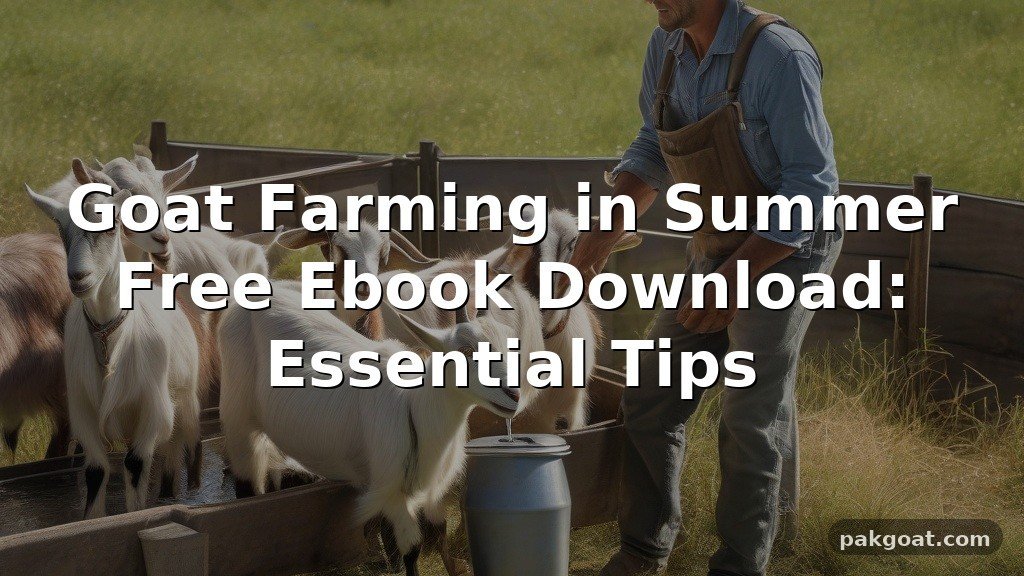
Securing a reliable goat farming in summer free ebook download is a practical way for new producers to prepare for the challenges of hot weather. These digital resources often contain specific protocols for heat stress management, hydration strategies, and pasture rotation that can save your herd during high-temperature months.
By accessing these materials, you gain immediate, actionable data on maintaining animal health without the overhead of expensive physical textbooks. Understanding the best practices for summer husbandry early on ensures that your operation remains productive even when the mercury rises.
Immediate Steps for Summer Herd Management
The most critical factor during summer is ensuring constant access to cool, clean water. A mature goat typically consumes between 2 to 4 gallons of water daily, a figure that spikes significantly as temperatures climb above 90 degrees Fahrenheit. If you are looking for a goat farming in summer free ebook download, prioritize documents that feature hydration station schematics and water trough maintenance schedules.
Heat Stress Mitigation Techniques
Heat stress often manifests through rapid, shallow breathing and reduced feed intake. You should provide adequate shade structures that allow for natural airflow, as stagnant air can lead to respiratory issues. Many technical guides highlight the importance of ventilation over insulation in summer housing designs.
- Install high-capacity fans in enclosed barns to break up stagnant air pockets.
- Clear brush around the perimeter to encourage natural breezes.
- Adjust feeding schedules to cooler early morning or late evening hours.
- Monitor body condition scores regularly to detect weight loss early.
Comparing Summer Feeding Strategies
Managing nutritional intake during the summer requires a shift from heavy grazing to supplement-based diets if pastures dry out. The following table illustrates how different feed types impact herd vitality when ambient temperatures exceed 30 degrees Celsius.
| Feed Type | Summer Suitability | Hydration Benefit |
|---|---|---|
| Fresh Pasture | High (Morning/Evening) | Moderate |
| Stored Hay | Low (High heat load) | Low |
| Silage/Haylage | High | High |
| Mineral Blocks | Essential | Low |
Frequently Asked Questions
What is the best way to keep goats cool?
Providing ample shade and ensuring water troughs are cleaned daily are the two most effective methods. You can also mist the area around the barn during peak afternoon heat to lower the ambient temperature.
Do all goats require the same summer care?
No, high-production dairy breeds and heavily coated meat goats like Boers often face higher heat stress risks. You should monitor these specific animals more closely during heat waves.
Where can I find a legitimate free ebook?
Look for resources provided by university agricultural extension offices or government veterinary departments. These organizations frequently offer high-quality, peer-reviewed PDFs that are safer and more accurate than generic online downloads.
How often should I check for internal parasites in summer?
Summer humidity often creates ideal conditions for parasite blooms. Implement a FAMACHA scoring system or regular fecal egg count tests every 30 days throughout the summer season.
Next Steps for Your Farm
Successfully managing your livestock through the warmest months requires a blend of preparation and constant observation. Downloading a reputable guide helps you establish a baseline for your specific climate and breed requirements. Once you have secured your preferred goat farming in summer free ebook download, cross-reference the advice with your local veterinarian’s recommendations to confirm it aligns with regional disease patterns.
Start by auditing your current water infrastructure and shade availability before the next heat spike arrives. Taking these small, informed steps now will significantly reduce your risk of animal loss later.
If you have specific questions about your local environment, reaching out to a local agricultural agent is a great way to build a support network. Keep observing your herd closely, as they are the best indicator of whether your summer management plan is working.
