

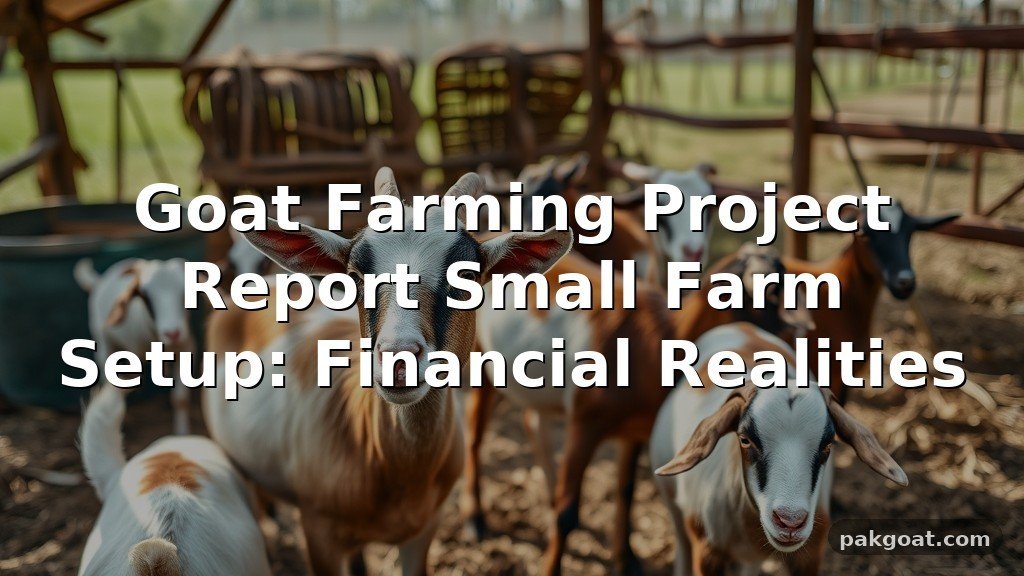
Developing a comprehensive goat farming project report small farm setup requires a clear understanding of initial capital expenditure and ongoing operational costs. Most small-scale operations with a starting herd of 20 to 50 goats can expect an initial investment ranging from $5,000 to $15,000, depending on existing infrastructure and land availability.
Profitability typically becomes viable within 18 to 24 months, provided you maintain strict control over feed expenses and mortality rates. This article provides the foundational metrics and operational strategies necessary to build a sustainable and productive goat enterprise.
Core Capital Requirements for Small-Scale Operations
Setting up a small farm requires careful allocation of funds toward housing, livestock, and essential equipment. You should allocate approximately 40% of your budget to the initial purchase of high-quality breeding stock.
Choosing healthy, disease-free animals is the single most important factor in long-term farm viability. A common mistake is overspending on elaborate housing structures while under-investing in the quality of the genetics you introduce to your herd.
Your facility needs to be functional rather than ornamental. Simple, three-sided sheds that provide protection from wind and rain are sufficient for most climates, provided they offer adequate ventilation.
You must prioritize fencing, as goats are notoriously skilled at finding weaknesses in boundaries. High-tensile woven wire fencing is the industry standard for keeping predators out and your livestock contained within designated grazing areas.
Herd Management and Nutrition Strategy
Nutrition represents the largest recurring cost in any goat farming project report small farm setup. Feed accounts for nearly 60% of daily operational expenses if you rely heavily on purchased hay and supplements.
The most successful farms utilize a rotational grazing system to maximize the nutritional value of available forage. By moving goats between paddocks every three to five days, you allow pastures to recover and reduce the internal parasite load on your animals.
Water quality is just as vital as food quality for maintaining herd health. Goats are fastidious drinkers and will often refuse water that has become stagnant or contaminated by debris.
Installing automatic waterers connected to a reliable supply source can save hours of labor each week. Always keep a mineral block accessible to ensure your goats receive the necessary trace elements that might be missing from standard local vegetation.
Infrastructure and Land Requirements
The amount of land you need depends entirely on your management style and the quality of your soil. A general rule of thumb is that you can support 6 to 10 goats per acre of well-managed pasture.
If you intend to supplement their diet with grain or hay, you can increase this density, but you must monitor the pasture for signs of overgrazing. Overgrazing leads to soil erosion and creates the perfect environment for parasite infestations.
Proper sanitation facilities should be established near the housing area to minimize the risk of disease spread. You need a dedicated area for isolating sick animals to prevent a localized health issue from becoming a herd-wide emergency. A well-designed small farm setup includes a small squeeze chute or head gate to make routine tasks like hoof trimming and vaccinations significantly easier.
| Expense Category | Estimated Start-up Cost | Annual Maintenance |
|---|---|---|
| Breeding Stock (20 Does/1 Buck) | $4,000 – $6,000 | $500 (Health/Vet) |
| Fencing (Per Acre) | $1,500 – $2,500 | $200 (Repair) |
| Housing/Shelter | $2,000 – $4,000 | $300 (Maintenance) |
| Equipment/Supplies | $1,000 – $1,500 | $400 (Consumables) |
Health Protocols and Disease Prevention
Veterinary bills can quickly derail a business plan if you do not have a preventative health strategy. You should work with a local veterinarian to establish a vaccination schedule tailored to the specific diseases present in your region.
Common concerns include Enterotoxemia and Tetanus, which can be managed with standard annual booster shots. Keeping detailed medical records for each animal is essential for tracking growth rates and identifying underperforming individuals.
Parasite management is a constant challenge for goat producers. Many commercial dewormers are becoming less effective due to resistance, making natural control methods increasingly important.
Famacha scoring, a method of checking the lower eyelid for anemia, is a standard practice for monitoring the parasite load in your goats. If you notice a decline in the health of your animals, consult the USDA Animal and Plant Health Inspection Service for guidelines on best practices for biosecurity.
Revenue Streams and Market Analysis
Diversifying your income is essential for the long-term success of any small farm. Many producers find that relying solely on meat sales leaves them vulnerable to price fluctuations in the commodity market.
By exploring niche markets, such as direct-to-consumer sales or specialized goat milk products, you can command a premium price for your output. Understanding the demographics of your local area will help you decide which products have the highest demand.
- Meat production (Chevon) for local ethnic markets
- Milk production for artisanal cheese or soap making
- Breeding stock sales for other small-scale farmers
- Manure sales to local organic gardening operations
- Agritourism or educational farm tours
Financial Projections and Break-even Analysis
When drafting your goat farming project report small farm setup, you must account for the time it takes for your herd to reach maturity. Income is rarely linear in the first two years, as you will likely be retaining offspring to expand your herd size.
You should aim to reach a self-sustaining herd size within three years. After this point, the sale of surplus animals becomes your primary source of positive cash flow.
Accurate record-keeping is the difference between a hobby and a business. You must track every dollar spent on feed, medicine, and infrastructure against the income generated from sales.
A common pitfall is failing to account for the labor value you put into the farm. Even if you do not pay yourself a salary initially, you must account for this time to understand the true cost of production.
Scaling Your Operations Responsibly
Growth should only occur when your existing infrastructure is fully optimized. Expanding too quickly is a common cause of failure, as it often leads to neglected health protocols and increased mortality.
Before increasing your herd size, verify that your land can handle the additional grazing pressure. If you are buying supplemental feed for more than 30% of the year, your current stocking rate is likely too high.
Consider the labor requirements of a larger herd before making the leap. Doubling your herd size does not just double your feed costs; it doubles the time required for cleaning, monitoring, and administrative tasks.
You may find that staying at a smaller, more manageable size allows for higher quality care and better profit margins per animal. Always prioritize efficiency over sheer volume when managing a small-scale operation.
Regulatory Compliance and Legal Considerations
Operating a farm involves navigating local zoning laws and agricultural regulations. You must verify that your land is zoned for livestock before investing in any infrastructure.
Some municipalities have strict rules regarding the distance of animal shelters from property lines or water sources. Failure to comply with these local ordinances can result in fines that could force you to shut down operations.
If you plan to sell meat or dairy products directly to the public, you will also need to understand state-level food safety regulations. Many states have specific exemptions for small-scale producers, but you must ensure your facility meets the minimum sanitation requirements.
Contact your local agricultural extension office to request a review of your project report. These offices often provide free resources that can help you avoid common legal pitfalls during the planning phase.
Final Assessment of Farm Viability
The success of a goat farming project report small farm setup is ultimately determined by your commitment to operational efficiency. By maintaining strict control over your inputs and focusing on high-quality animal health, you create a stable foundation for growth. Keep your initial investment lean, focus on building a resilient herd, and always look for ways to reduce reliance on external feed sources.
Success in this field requires patience and a willingness to adjust your strategy based on the data you collect. Start small, monitor your expenses closely, and allow your herd to grow alongside your experience.
If you maintain these standards, the potential for a profitable and sustainable agricultural business is significant. Reach out to local farming cooperatives or mentorship programs to continue refining your techniques as your operation matures.
