

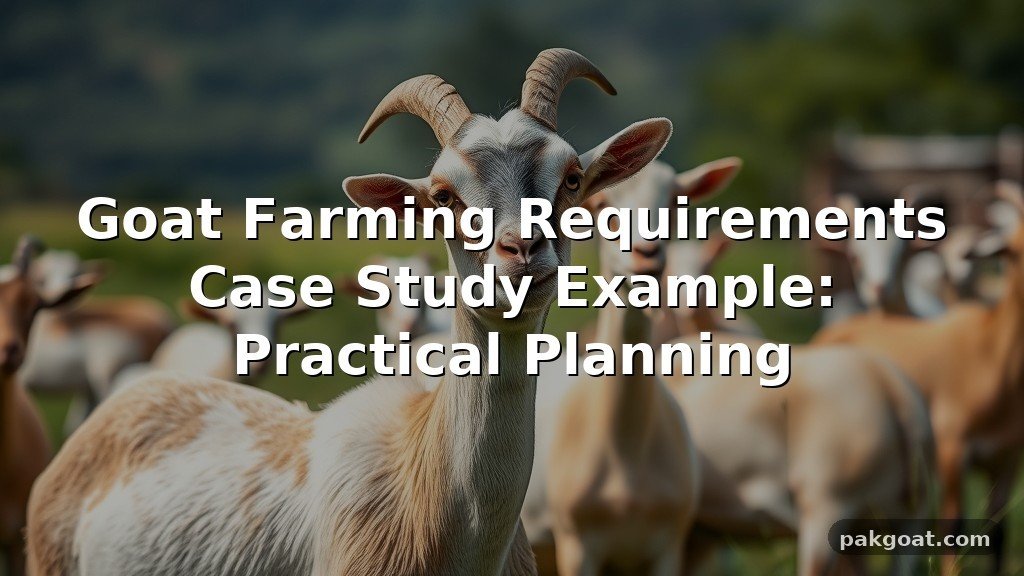
Understanding a goat farming requirements case study example provides a realistic baseline for anyone looking to enter the livestock industry. You must first secure at least 0.5 to 1 acre of land for every 10 to 15 goats to ensure adequate pasture rotation and prevent overgrazing.
Most successful small-scale operations begin with an initial investment ranging between $5,000 and $15,000 for basic infrastructure, fencing, and the purchase of foundation stock. This article breaks down the essential operational, financial, and regulatory steps required to build a sustainable goat enterprise from the ground up.
Land and Infrastructure Planning
Successful goat farming begins with the physical layout of the property. You need to designate specific zones for grazing, kidding, and storage of feed to minimize labor costs. For a herd of 20 animals, a dedicated shelter of at least 200 square feet is necessary to keep them dry and protected from drafts during winter months.
Fencing remains the most critical infrastructure investment for any new farmer. Goats are notorious escape artists that require high-tensile woven wire fencing at least 48 inches high to remain secure. You should avoid barbed wire, as it often causes injury to the animals and damages their valuable hides.
Water access is another fundamental requirement that often gets overlooked during the initial planning stages. Each adult goat consumes roughly 2 to 3 gallons of water daily, depending on the temperature and their stage of lactation. You must install a reliable, gravity-fed or automatic watering system that stays clean and ice-free throughout the year.
Essential Health and Nutrition Standards
Maintaining a healthy herd requires a proactive approach rather than a reactive one. You must establish a relationship with a local veterinarian who specializes in small ruminants before your goats arrive on the property. Regular hoof trimming, deworming, and vaccination schedules are the backbone of a successful goat farming requirements case study example.
Nutrition plays a direct role in your profit margins. Goats are browsers, not grazers, meaning they prefer brush, weeds, and tree leaves over standard pasture grasses. Supplementing their diet with high-quality hay and a balanced mineral block is essential to prevent common deficiencies like copper or selenium shortages.
| Nutrition Category | Daily Requirement (Per Adult) | Primary Source |
|---|---|---|
| Forage/Browse | 3-5 lbs (dry matter) | Pasture or Brush |
| High-Quality Hay | 2-3 lbs | Alfalfa or Grass Hay |
| Minerals | 0.5-1 oz | Loose Goat-Specific Mix |
| Water | 2-3 gallons | Clean Source |
Legal and Regulatory Compliance
Every jurisdiction imposes its own set of zoning laws and agricultural regulations on livestock owners. You must check with your local municipal office or county clerk to confirm that your property is zoned for small ruminants. Some areas have strict noise ordinances or setback requirements for barns located near residential property lines.
Biosecurity is a regulatory concern as much as it is a health one. If you intend to sell raw milk or cheese, you will likely need to comply with state-level health department inspections. These inspections focus on sanitation, cooling temperatures, and the testing of your herd for diseases like Caseous Lymphadenitis (CL) or Caprine Arthritis Encephalitis (CAE).
Keeping detailed records is a requirement for both tax purposes and herd management. You should maintain a log for every animal that tracks birth dates, medical treatments, and breeding histories. This data is invaluable when you need to prove the health status of your herd to potential buyers or inspectors.
Selecting Foundation Stock
Choosing the right breed defines your business model from day one. If your goal is milk production, you will likely gravitate toward Alpine, Nubian, or Saanen breeds. For meat production, Boer goats are widely considered the industry standard due to their rapid weight gain and muscle development.
Never purchase goats from an auction house if you are just starting out. Auctions often carry a high risk of introducing disease into your clean herd. Instead, look for reputable breeders who provide health certificates and are willing to discuss their herd’s genetic history openly.
Consider the temperament of the animals as well. A docile, easy-to-handle goat will save you hundreds of hours in labor over the course of its lifespan. You should always observe the animals in their home environment to see how they interact with their handler before finalizing any purchase.
Management of Daily Operations
A typical day on a goat farm involves a strict routine to keep stress levels low for the animals. Morning chores usually consist of checking waterers, inspecting for injuries, and providing fresh forage. You will find that goats are highly social creatures that thrive on consistency and predictable human interaction.
Cleaning the barn is a chore you cannot ignore. Accumulation of manure leads to ammonia buildup, which can cause severe respiratory issues in goats. Many farmers utilize the “deep bedding” method during winter, adding fresh straw daily to keep the animals warm while the bottom layer composts.
Managing breeding cycles requires careful planning to ensure you have a steady supply of milk or meat throughout the year. Most farmers aim for seasonal breeding, which allows the herd to kid in the spring when weather conditions are most favorable. This synchronization simplifies the labor-intensive kidding season into a predictable timeframe.
Financial Planning and Profitability
The financial side of a goat farming requirements case study example often surprises new owners. While the initial costs are manageable, ongoing expenses such as feed, vet bills, and insurance can erode your margins if you aren’t careful. You should aim to keep your feed costs below 40% of your total gross revenue to remain profitable.
Diversification is the best way to stabilize your income. Many successful farms sell a mix of products to capture different segments of the market:
- Raw or pasteurized milk and artisanal goat cheese
- Meat products sold directly to local restaurants or farmers’ markets
- Manure sales to local gardening enthusiasts as high-quality fertilizer
- Breeding stock sold to other smallholders
- Soap and skincare products made from goat milk
Always maintain an emergency fund specifically for the farm. A sudden vet emergency or an unexpected equipment failure can cost thousands of dollars. Having a cash reserve ensures that one bad month doesn’t force you to sell off your best breeding stock prematurely.
Marketing and Sales Strategies
Direct-to-consumer sales provide the highest margins for small-scale operations. Use social media to build a narrative around your farm, as consumers are often willing to pay a premium for products when they know the story behind the animals. Transparency about your farming practices is a major competitive advantage.
Building a relationship with local chefs can provide a consistent outlet for your meat or cheese. Chefs often look for high-quality, local ingredients that they can feature on their seasonal menus. You should offer samples and provide consistent quality to secure long-term contracts.
For more information on animal welfare standards, you can review the guidelines provided by the United States Department of Agriculture regarding livestock management. Following these national standards helps ensure your farm meets the expectations of modern, conscious consumers. Always keep your marketing materials updated with your latest certifications and farm achievements.
Risk Management and Scaling
Scaling too quickly is the most common cause of failure in this industry. You should aim to master the management of 10 to 15 goats before expanding to a larger herd. Each addition to your herd increases the complexity of your parasite management and nutrient requirements exponentially.
Predator control is a persistent risk that requires constant vigilance. Depending on your region, you may need to invest in livestock guardian dogs, electric netting, or motion-activated lighting to keep coyotes and stray dogs away. Failing to protect your stock can result in total loss overnight.
Insurance is a non-negotiable expense for any serious operation. You need a policy that covers general liability, as well as specific coverage for your livestock against theft, fire, or extreme weather events. Consult with an agent who understands agricultural risks rather than a general provider.
Conclusion
Building a successful operation requires more than just land and animals; it demands a commitment to consistent management and financial discipline. By reviewing a goat farming requirements case study example, you can see that the path to profitability is built on small, incremental improvements in herd health and market reach. Start with a manageable number of animals, focus on high-quality care, and diversify your revenue streams to protect your business from market fluctuations.
Whether you are aiming for a small homestead or a commercial venture, the fundamental principles remain the same. Prioritize infrastructure, maintain strict health protocols, and keep your business plan flexible enough to adapt to new opportunities. With patience and careful planning, you can develop a thriving agricultural enterprise that serves your community and sustains your land for years to come.
