

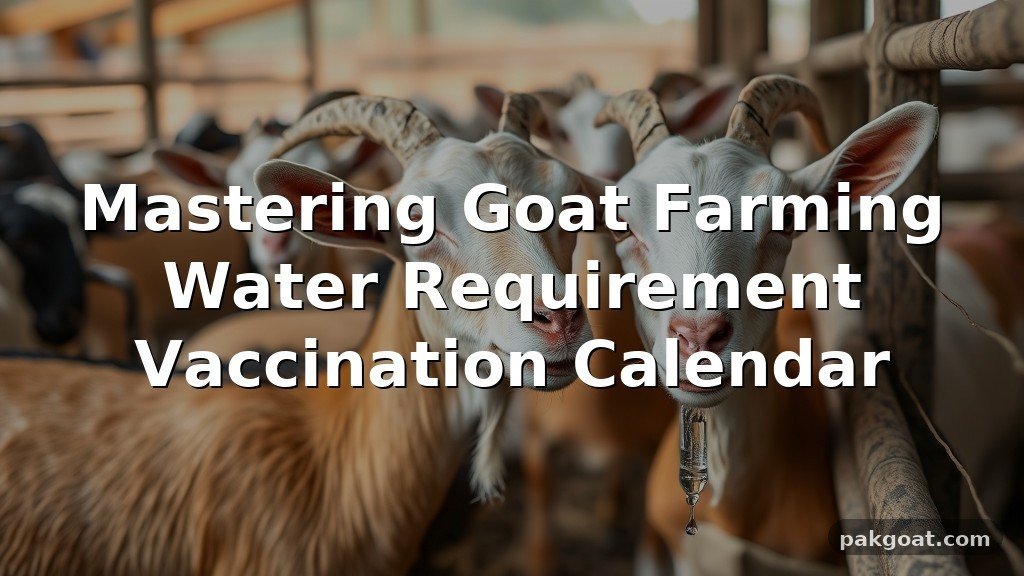
Proper management of a goat farming water requirement vaccination calendar is essential for maintaining a healthy and productive herd. Beginners often overlook the direct link between hydration and disease resistance, yet both are pillars of livestock survival. By providing clean water and adhering to a strict immunization schedule, you protect your animals from common environmental pathogens.
This approach minimizes mortality rates and maximizes the long-term profitability of your operation. Understanding these two core pillars allows you to spend less time managing emergencies and more time focusing on herd growth.
The typical goat farming water requirement vaccination calendar dictates that an adult goat consumes between 2 and 4 gallons of water daily, depending on its size, lactation status, and the ambient temperature. During peak summer heat or while a doe is nursing, this demand can spike significantly, sometimes doubling. You must ensure that your water source remains constant and accessible, as dehydration is a primary stressor that weakens the immune system.
When the immune system is compromised, even standard preventative measures like vaccinations become less effective. Always prioritize water quality alongside your medical schedule to ensure the herd remains resilient against seasonal outbreaks.
Daily Hydration Needs and Water Quality
Goats are highly sensitive to the quality of their water. If the water source is contaminated with algae, fecal matter, or debris, your animals will drink less, leading to sub-clinical dehydration.
This reduction in intake directly impacts milk production and overall metabolic function. You should clean troughs at least once a week with a mild bleach solution to prevent bacterial buildup.
Environmental factors play a massive role in how much water you need to provide. A goat living in a dry, hot climate will require far more water than one in a humid, temperate region. Always position your water troughs in shaded areas to keep the temperature cool, as goats often refuse to drink water that has become excessively warm.
When calculating your total water infrastructure, plan for peak capacity rather than average consumption. If you have a herd of 50 goats, assume a worst-case scenario where each animal requires 4 gallons per day. This means your system must be capable of delivering at least 200 gallons of clean water daily to avoid any potential shortages.
Core Principles of a Vaccination Schedule
A robust vaccination program is your first line of defense against predictable, fatal diseases. The most critical vaccine for goats is the CDT vaccine, which protects against Clostridium perfringens types C and D, as well as Tetanus. You must administer this vaccine in a two-dose series for kids, typically starting at 8 weeks of age, followed by a booster 4 weeks later.
Consistency is the hallmark of a successful health plan. Adult goats require an annual booster to maintain their immunity levels. Without these yearly updates, the protection fades, leaving your herd vulnerable to sudden deaths caused by overeating disease or lockjaw.
Keep detailed records for every individual animal in your care. A simple notebook or a digital spreadsheet should track the date of the shot, the product used, and the animal’s ear tag number. If you are selling goats or participating in exhibitions, these records are often legally required by agricultural authorities.
The Seasonal Vaccination Calendar
Timing your vaccinations around the breeding and birthing cycle is a professional best practice. For example, vaccinating a pregnant doe roughly 4 weeks before she is due to kid ensures she passes high levels of antibodies to her offspring through her colostrum. This passive immunity is vital for the kids during their first few weeks of life before they receive their own primary shots.
Recommended Annual Vaccination Intervals
- 8 weeks of age: First dose of CDT vaccine for kids.
- 12 weeks of age: Booster dose of CDT vaccine for kids.
- Annually: Booster dose for all adult goats, ideally 4 weeks before kidding.
- As needed: Rabies or Caseous Lymphadenitis vaccines, depending on regional prevalence.
Beyond the standard CDT, some regions require specialized vaccines based on local disease pressure. Consult your local extension office or a large-animal veterinarian to see if diseases like Caseous Lymphadenitis (CL) or Orf are prevalent in your area. You can find more information on specialized animal health standards at the USDA Animal and Plant Health Inspection Service website.
Understanding Metabolic Water Demands
Lactation is the single most demanding stage in a goat’s life regarding fluid intake. A high-producing dairy goat can produce several liters of milk daily, which is largely composed of water. If she does not have unrestricted access to fresh, clean water, her milk yield will drop almost instantly.
You should observe your herd’s behavior to gauge their hydration levels. If you notice goats huddling near the water trough or showing signs of lethargy, check the water source immediately for blockages or contamination. Goats are notoriously picky drinkers and will often avoid water that has been fouled by other animals or insects.
Temperature management also influences intake. In the winter, you may need to use tank heaters to prevent the water from freezing. Goats will drink significantly less if they have to break through ice, which can lead to impaction colic or other digestive issues during the colder months.
Managing Herd Health Records
A spreadsheet is the most effective tool for managing your goat farming water requirement vaccination calendar. By creating a grid that lists every animal on the vertical axis and every required health task on the horizontal axis, you can see at a glance who is due for a booster. This prevents the common mistake of missing a deadline during busy seasons like kidding or harvest.
Sample Health Tracking Table
| Animal ID | Last CDT Booster | Next Due Date | Water Intake Status |
|---|---|---|---|
| Doe #101 | March 15, 2024 | March 15, 2025 | Normal |
| Buck #005 | April 10, 2024 | April 10, 2025 | Normal |
| Kid #202 | June 01, 2024 | June 29, 2024 | Monitoring |
Update this table every time you perform a health check. If you notice an animal is consistently drinking less, mark it for closer observation. Early intervention is always cheaper and more effective than treating a sick animal that has stopped eating or drinking entirely.
Infrastructure and Water Delivery
The way you deliver water is just as important as the quantity provided. Automatic waterers are highly efficient for large herds, but they require regular maintenance. If the float valve fails, the trough could overflow, creating a muddy, bacteria-ridden environment that promotes hoof rot and parasites.
Gravity-fed systems are reliable but often lack the pressure needed to keep large troughs full during peak usage times. Ensure your plumbing pipes are sized correctly to handle the flow rate required by the number of animals in your pen. If you are using long hoses, make sure they are made of food-grade material to prevent chemical leaching into the drinking water.
During the summer, check the water lines for leaks every few days. A small, undetected leak can waste hundreds of gallons of water and create a breeding ground for mosquitoes and flies. Keeping the area around the water station dry and clean is a simple way to improve the overall hygiene of your farm.
Recognizing Signs of Dehydration and Illness
Knowing what a healthy goat looks like is your best defense. A hydrated, healthy goat has bright eyes, a smooth coat, and a steady appetite. If you notice sunken eyes, skin that stays tented when pinched, or dry mucus membranes, you are dealing with a severe dehydration emergency.
Vaccination reactions are rare but possible. Some goats may experience mild swelling at the injection site or a brief period of lethargy.
If a goat shows signs of anaphylaxis—such as difficulty breathing or extreme agitation—you must have epinephrine on hand. Consult your veterinarian to learn how to identify and treat these rare, acute reactions safely.
Always keep your vaccines refrigerated at the manufacturer’s recommended temperature. If a vaccine has been left out on a counter or in a warm truck, it is likely spoiled and will not provide the necessary immunity. Never use a vaccine that has been frozen or exposed to direct sunlight for extended periods.
Integrating Nutrition and Hydration
Water intake is intrinsically linked to the type of feed you provide. Goats on dry hay require significantly more water than those grazing on lush, green pasture. If you switch your herd from pasture to dry winter feed, increase your water monitoring accordingly.
Salt is another key component of this system. Providing loose minerals or salt blocks encourages the goats to drink more water, which helps flush their systems and maintains electrolyte balance. Ensure that your mineral blocks are weather-resistant and positioned near the water source to encourage natural consumption patterns.
By balancing these elements—clean water, essential vaccines, and proper nutrition—you build a stable environment for your goats to thrive. The effort you put into managing your goat farming water requirement vaccination calendar pays off in healthier kids, better milk production, and a significantly lower risk of losing animals to preventable diseases.
The integration of a strict goat farming water requirement vaccination calendar remains the most effective strategy for any serious breeder. By maintaining consistent hydration through all seasons and adhering to the recommended CDT immunization timeline, you create a foundation for herd longevity. Keep your records organized, monitor your water quality daily, and stay proactive with your booster shots to avoid unnecessary losses.
These routine management practices are the difference between a struggling operation and a thriving, healthy business. As you continue to refine your processes, always consult with your local veterinarian to tailor these general guidelines to the specific disease threats and environmental challenges present in your immediate area.
