

Mastering goat feed chart tips and tricks is essential for anyone looking to raise healthy, productive animals. A well-structured feeding plan ensures your goats receive the right balance of protein, minerals, and energy based on their specific life stage. Whether you are managing a small homestead herd or a larger commercial operation, understanding the nutritional requirements is the foundation of success.
By following a clear, data-driven approach, you can avoid common pitfalls like overfeeding or nutrient deficiencies. This article provides the actionable advice you need to build a feeding schedule that supports optimal growth, milk production, and overall vitality for your goats.
Defining Nutritional Requirements by Weight
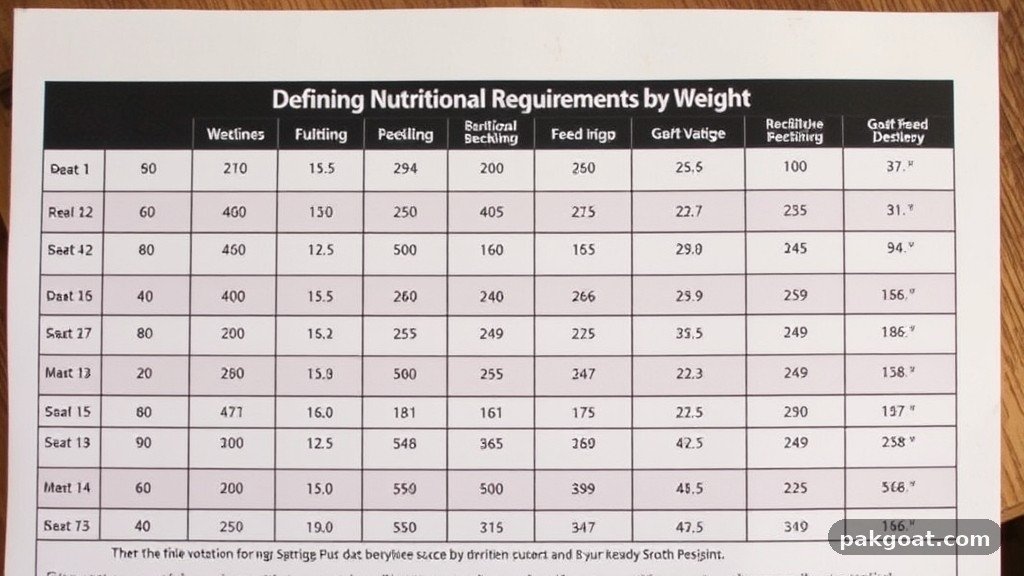
The most accurate way to use a feeding schedule is to base your calculations on the actual body weight of your goats. An adult goat typically consumes between 2% and 4% of its body weight in dry matter daily. If you have a 100-pound doe, you should aim for roughly 2 to 4 pounds of dry forage and supplemental feed.
Key Factors for Weight-Based Feeding
Lactating does require higher energy density to maintain milk production while supporting their own body condition. Dry does, conversely, need less intensive supplementation to avoid becoming overweight, which can lead to metabolic issues.
Young, growing kids need a diet rich in protein to support rapid skeletal and muscle development. Always keep a scale handy or use a weight tape to track these numbers monthly, as goats grow faster than you might expect.
Essential Components of a Balanced Diet
A successful feeding plan focuses on three pillars: high-quality forage, clean water, and targeted supplementation. Forage, such as pasture grass or hay, should make up at least 75% of the total diet. Goats are browsers by nature, so they prefer a variety of weeds, shrubs, and grasses over a single monoculture.
Water is the most overlooked nutrient in goat management, yet it is arguably the most critical for digestion. A lactating doe can drink up to 3 to 5 gallons of water per day during hot summer months. Ensure your water troughs are scrubbed clean weekly to encourage consistent intake.
| Feed Category | Role in Diet | Recommended Percentage |
|---|---|---|
| Pasture/Hay | Fiber and gut health | 75% – 85% |
| Concentrates/Grains | Energy and protein | 10% – 15% |
| Minerals/Supplements | Micronutrient balance | 2% – 5% |
Managing Mineral Intake Correctly
Goats have very specific mineral needs that are often not met by pasture alone. Copper is a vital component of a healthy goat’s diet, but you must use a goat-specific mineral mix. Never provide sheep minerals to goats, as the copper levels are toxic to sheep but essential for goats.
Loose minerals are significantly better than mineral blocks for most goat breeds. Goats have soft tongues and often struggle to get enough intake from hard blocks, leading to deficiencies. Place your mineral feeder in a dry, covered area to prevent moisture from turning the powder into a clumped mess.
Keep a close eye on your goats’ coats, as a dull, brittle coat is often the first sign of a copper or zinc deficiency. If you notice patches of hair loss or a “fish-tail” appearance at the tip of the tail, consult a veterinarian about blood testing for mineral levels.
Seasonal Adjustments to Your Feed Chart
Your feeding strategy must shift as the seasons change to account for the varying nutritional value of forage. During the spring flush, grass is high in moisture and protein, which can cause loose stools if goats aren’t transitioned slowly. You may need to provide dry hay alongside lush pasture to help balance the fiber levels.
Winter presents the opposite challenge, as quality forage becomes scarce and the cold increases the animal’s energy demand. You will likely need to increase the amount of hay offered and potentially introduce a calorie-dense supplement like alfalfa pellets. Maintaining body condition during winter is crucial for a successful breeding season.
Monitor the “body condition score” of your animals regularly during the winter. If you can easily feel their ribs and spine, they are likely losing too much weight and need more concentrated energy. Adjusting your feed chart to account for these environmental stressors is a hallmark of good husbandry.
Understanding Protein Needs for Growth
Protein is the building block for muscle and milk, but more is not always better. Most adult goats require a diet with 10% to 12% crude protein. Growing kids and lactating does require higher levels, often ranging from 14% to 16%.
Excessive protein can be dangerous, as it puts strain on the kidneys and can lead to acidosis if the diet isn’t balanced with enough fiber. Always read the labels on commercial feed bags to ensure the protein content matches the specific needs of your herd. If you are mixing your own feed, consult with a local agricultural extension office to verify your ratios.
For more detailed information on nutrient requirements, you can refer to the National Agricultural Library resources on small ruminant nutrition. This type of research ensures your feeding practices are grounded in science rather than guesswork. Always prioritize high-quality protein sources like alfalfa or soybean meal when supplementation is necessary.
Common Feeding Mistakes to Avoid
Many beginners fall into the trap of feeding kitchen scraps or garden waste without considering the safety of the plants. While goats are known for eating “anything,” they are actually quite sensitive to certain toxins. Avoid feeding them nightshade family plants, azaleas, or wilted cherry leaves.
- Avoid sudden changes in feed types, which can cause severe digestive upset.
- Never feed moldy or dusty hay, as this can lead to respiratory issues and listeriosis.
- Limit grain intake to prevent urinary calculi, especially in wethers (castrated males).
- Ensure that all feed storage areas are rodent-proof to prevent contamination.
- Track feed costs to ensure your operation remains economically viable.
Another common mistake is inconsistent feeding times, which can cause stress. Goats are creatures of habit and thrive when they know when to expect their supplemental rations. Sticking to a strict morning and evening schedule helps keep their digestive systems functioning smoothly.
The Role of Fiber in Digestive Health
Fiber is the most important component of a goat’s diet, as it fuels the rumen microbes responsible for breaking down food. Long-stem fiber, such as that found in high-quality grass hay, is necessary to stimulate cud-chewing. This process produces saliva, which acts as a natural buffer for the rumen to prevent acidity.
If you feed too much grain and not enough long-stem fiber, your goats may suffer from rumen acidosis. This condition can be fatal and often starts with a goat refusing to eat or acting lethargic. Always ensure your animals have access to hay before providing any grain or treats.
You can test your hay quality by checking for color, smell, and texture. Good hay should be green, sweet-smelling, and free of excessive weeds or mold. If your hay is stemmy and brown, it has lost much of its nutritional value and should be supplemented with higher-quality forage.
Monitoring and Adjusting the Plan
A feed chart is a living document that requires constant refinement based on your herd’s performance. Keep a journal where you record body condition scores, milk production levels, and any health issues you encounter. Review these notes every month to see if you need to increase or decrease rations.
Every goat is an individual, and some will naturally be “hard keepers” while others thrive on very little. Don’t be afraid to separate specific animals if they need a different diet than the rest of the herd. This is especially true for senior goats, who may need more digestible, softer feed to maintain their weight.
Ultimately, your observation is the best tool you have for managing herd nutrition. Watching how your goats interact with their feed, how quickly they finish their meals, and how they behave after eating provides more data than any static chart. By combining these observational skills with structured goat feed chart tips and tricks, you ensure the long-term health and productivity of your animals.
Conclusion
Implementing effective goat feed chart tips and tricks transforms your daily management from a guessing game into a precise, science-backed routine. By prioritizing high-quality forage, providing consistent access to clean water, and tailoring mineral supplementation to your specific environment, you create the conditions for a thriving herd. Remember that the best feeding strategy is one that adapts to the changing seasons and the unique needs of individual goats.
Stay observant, keep accurate records, and don’t hesitate to adjust your approach as your goats grow and their requirements evolve. With a commitment to nutritional excellence, you will see significant improvements in the vitality and output of your animals, ensuring a successful and rewarding experience as a goat owner.
