

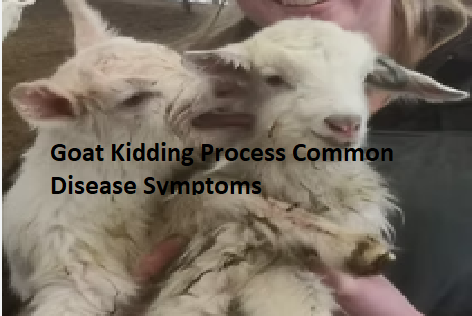
Understanding the goat kidding process common disease symptoms is essential for anyone managing a herd, as prompt identification of issues can save both the doe and her kids. During the kidding season, producers must remain vigilant for signs of distress that deviate from a normal, healthy delivery.
This guide provides actionable insights into recognizing labor stages, identifying warning signs of illness, and ensuring your goats receive the appropriate care when they need it most. By familiarizing yourself with these clinical indicators, you can intervene early and effectively, fostering a safer birthing environment and improving overall herd health throughout the year.
Immediate Indicators of Labor Complications
The primary concern during the kidding process is recognizing when a natural birth has turned into a medical emergency. A normal delivery typically progresses with the doe becoming restless, pawing the ground, and frequently standing and lying down.
You should see the appearance of the water bag, followed by the presentation of the front feet and nose. If a doe strains actively for more than 30 to 45 minutes without progress, she is likely experiencing dystocia.
Dystocia, or difficult birth, is the most common reason for intervention during the kidding process. You must check for malpresentation, such as a head turned back or a single leg trapped against the body.
If you feel only a tail or multiple legs without a head, the kid is improperly positioned. You should immediately lubricate your hands with a non-irritating, veterinary-grade lubricant before attempting to adjust the fetus.
Always prioritize hygiene to prevent the introduction of bacteria into the uterus. Wear long, disposable plastic gloves and ensure your fingernails are trimmed to avoid causing internal lacerations.
If the kid is too large or the position is too complex to correct, contact a veterinarian immediately. Delaying professional help significantly increases the risk of uterine tears or the death of the kid.
Recognizing Post-Partum Metabolic Diseases
Following a successful birth, the doe is at high risk for metabolic disorders that can mimic or exacerbate other illnesses. Pregnancy toxemia, or ketosis, often lingers if the doe was under significant nutritional stress in late gestation. Symptoms include a distinct, sweet-smelling breath, lethargy, and a lack of appetite. If you notice these signs, check the doe’s temperature and hydration levels immediately.
Hypocalcemia, or milk fever, is another critical condition that typically manifests within 48 hours of kidding. While less common in goats than in dairy cows, it remains a serious threat that requires rapid detection.
Affected does often appear weak, have a stiff gait, or exhibit muscle tremors. As the condition progresses, the animal may collapse and be unable to rise, requiring an intravenous calcium infusion from a veterinarian.
Common Metabolic Symptom Comparison
| Condition | Primary Symptom | Typical Onset |
|---|---|---|
| Pregnancy Toxemia | Sweet-smelling breath | Late gestation/Post-kidding |
| Hypocalcemia | Muscle tremors/Weakness | Within 48 hours of birth |
| Mastitis | Hot, swollen udder | Post-kidding |
Managing Mastitis and Udder Health
Mastitis is a persistent concern during the transition from pregnancy to lactation. A healthy udder should be soft and pliable, though it may become slightly firm as milk production begins.
If you observe an udder that is hot, hard, or painful to the touch, the doe likely has an infection. You may also notice the milk appears clumpy, discolored, or contains blood.
Early detection is vital to prevent permanent damage to the udder tissue. If you suspect mastitis, perform a California Mastitis Test (CMT) to confirm the presence of somatic cells.
Isolate the doe from the main herd to prevent the spread of contagious pathogens. Consult with a vet to determine the appropriate antibiotic regimen, as systemic treatment is often necessary for severe cases.
Infectious Disease Risks Post-Kidding
The stress of kidding suppresses a doe’s immune system, making her highly susceptible to common environmental pathogens. Metritis, an infection of the uterus, is one of the most dangerous complications following a difficult birth or the retention of the placenta. Symptoms include a foul-smelling, brownish vaginal discharge and a persistent fever. If the doe stops eating or appears dull, monitor her temperature closely for several days.
Retention of the placenta occurs when the afterbirth is not expelled within 12 to 24 hours post-kidding. A retained placenta is a breeding ground for bacteria and often leads to systemic infection.
Never pull on a retained placenta, as this can cause severe hemorrhaging or uterine inversion. Instead, keep the area clean and administer prescribed antibiotics to manage the risk of sepsis.
Nutritional Deficiencies and Herd Health
A doe’s nutritional requirements skyrocket during the transition period, and deficiencies can manifest as disease symptoms. Selenium deficiency, often referred to as white muscle disease, can affect both the mother and the newborn kids.
In does, you might notice general weakness or poor muscle tone. In kids, the condition is often fatal if not treated with an injectable selenium and vitamin E supplement.
Ensure that your herd has access to high-quality forage and a balanced mineral supplement throughout the year. Avoid sudden dietary changes, especially in the final weeks of pregnancy, as these can trigger digestive upsets.
Proper nutrition acts as the primary defense against the goat kidding process common disease symptoms that plague poorly managed herds. For detailed information on nutritional requirements, refer to the Penn State Extension resources on goat nutrition.
Environmental Hygiene and Disease Prevention
Sanitation in the kidding pen is the most effective way to prevent the transmission of common diseases. Pathogens like E. coli and Salmonella thrive in damp, dirty bedding, leading to life-threatening diarrhea in newborn kids.
Remove wet bedding daily and replace it with fresh, dry straw to minimize bacterial load. Use lime or a suitable disinfectant on the floor before applying new bedding to keep the environment sterile.
Ventilation is equally important as cleanliness. While you must keep the kidding area draft-free, ensure there is enough airflow to prevent the buildup of ammonia.
High levels of ammonia can irritate the respiratory tracts of both the doe and her kids, making them vulnerable to pneumonia. A well-ventilated barn keeps the air fresh and reduces the humidity levels that favor bacterial growth.
Key Indicators of Healthy Newborn Kids
Monitoring the kids is just as important as monitoring the doe during the kidding process. A healthy kid should stand and attempt to nurse within 30 to 60 minutes of birth.
If a kid remains recumbent, is shivering uncontrollably, or refuses to nurse, it may be suffering from hypothermia or hypoglycemia. Provide a heat source if the ambient temperature is below 50 degrees Fahrenheit.
Check the umbilical cord immediately after birth to ensure it is not bleeding. Dip the cord in a 7% iodine solution to prevent joint ill, a condition where bacteria enter the bloodstream through the navel and settle in the joints.
This simple procedure is one of the most effective ways to prevent long-term health issues in your kid crop. Watch for any swelling in the joints, as this is a hallmark sign of infection.
- Ensure the kid consumes colostrum within the first two hours of life.
- Monitor for consistent, yellow-colored meconium passage.
- Check for signs of respiratory distress, such as labored breathing or nasal discharge.
- Observe the kid’s ability to stand and follow the mother.
- Keep a record of birth weights to track growth and vitality.
Recognizing When to Call a Veterinarian
Knowing when to stop managing a situation yourself is a critical skill for any goat owner. If you have attempted to assist with a delivery for more than 30 minutes without success, you are likely doing more harm than good.
A professional can perform a C-section or use specialized tools to safely extract the kid. Waiting too long often results in the death of the fetus and potentially the mother.
Other red flags include a doe that is unresponsive, has a temperature below 101°F or above 104°F, or is bleeding excessively. If the doe is grinding her teeth, she is likely in significant pain and requires immediate medical intervention.
Keep a list of emergency contacts, including a large-animal veterinarian, posted in your barn at all times. Being prepared is the difference between a successful kidding season and a tragic loss.
Conclusion
Managing the health of your goats requires a combination of preparation, observation, and timely action. By understanding the goat kidding process common disease symptoms, you can effectively differentiate between normal labor and the early warning signs of complications. Maintaining a clean environment, providing proper nutrition, and knowing when to seek professional veterinary assistance are the pillars of a successful kidding season.
Implementing these practices will help you protect your herd and ensure the survival of your kids. Consistency in your observations will sharpen your instincts over time, allowing you to provide the best possible care during this critical period. If you have specific concerns about your goats, consult with a local veterinarian to develop a tailored health plan for your farm.
