

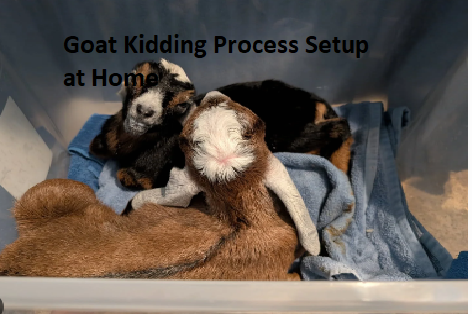
Preparing for a goat kidding process setup at home requires careful planning to ensure the health and safety of both the doe and her offspring. Establishing a clean, secure environment significantly reduces the risk of complications during birth and provides the necessary support for the newborn kids. By focusing on hygiene, temperature control, and essential medical supplies, you create a controlled space that mimics the stability of a professional facility.
Mastering these preparations allows owners to intervene effectively if an emergency arises while keeping stress levels low for the herd. This guide outlines the critical steps for building a functional maternity ward within your existing barn or shed.
Essential Supplies for the Kidding Kit
The most important aspect of your goat kidding process setup at home is having a fully stocked medical kit ready before the doe shows signs of labor. You should store these items in a portable, waterproof bin kept in the barn, not in your house. Iodine solution (7% strength) is critical for dipping the umbilical cords of newborns to prevent navel ill or joint ill. You also need a supply of clean, disposable gloves to maintain sterility if you must assist with the delivery.
Keep a bottle of sterile lubricant on hand, as dry births can cause significant trauma to the birth canal. Scissors or a clean knife are necessary to trim umbilical cords if they are excessively long, though they should generally be left to dry naturally.
A bulb syringe or a specialized mucus suction device helps clear the airways of kids who struggle to breathe immediately after birth. Keep a stack of clean, dry towels for drying the kids and stimulating their circulation.
Designing the Maternity Stall
A dedicated maternity stall should measure at least 5 feet by 5 feet to provide the doe with enough room to maneuver without being cramped. The stall walls must be solid enough to prevent the kids from wandering out, yet allow for proper ventilation to stop moisture buildup.
Ensure the floor is level and free of sharp edges that could cause injury during a difficult delivery. If you are using wooden panels, check for protruding nails or splinters that could snag a newborn.
Bedding choices directly affect the comfort and health of the doe and her kids. Clean, dry straw is the industry standard because it provides excellent insulation and is easy to replace when soiled. Avoid using wood shavings or sawdust for newborns, as these can easily be inhaled and cause respiratory irritation. The bedding must be deep enough to provide a cushion but not so deep that it becomes a suffocation hazard for a weak kid.
Monitoring and Environmental Control
Maintaining a stable environment is a core component of a successful goat kidding process setup at home. Newborn kids have limited fat stores and are highly susceptible to hypothermia in damp or drafty conditions.
Use a heat lamp only if the temperature is consistently below 40 degrees Fahrenheit, and ensure it is secured with double-redundant fasteners to prevent fire hazards. Always provide a “cool zone” in the stall where the doe can move away from the heat lamp if she becomes overheated.
You should install a camera system if you are unable to monitor the doe 24/7 during the final week of her pregnancy. A simple, Wi-Fi-enabled security camera allows you to check for signs of labor, such as restlessness, tail wagging, or frequent standing and lying down.
Proper lighting is also essential for night-time checks, but use red-tinted bulbs to avoid startling the animals. Keeping the area quiet and free of frequent visitors will minimize the doe’s stress levels during the critical hours before birth.
Managing Sanitation and Biosecurity
Sanitation prevents the spread of common pathogens like E. coli or Clostridium that can be fatal to newborns. Before moving a doe into the stall, scrub the area with a non-toxic, barn-safe disinfectant to kill lingering bacteria.
You should also lime the floor beneath the bedding to neutralize acidity and reduce moisture. If you have multiple does kidding in the same season, perform a full deep clean between each animal.
Biosecurity means limiting the movement of people and other animals near the maternity stall. Keep barn cats and dogs out of the area, as they can carry parasites or cause the mother unnecessary anxiety.
Wash your hands thoroughly with soap or an antiseptic scrub before and after handling the doe. Following these protocols is essential for protecting the immune-compromised kids during their first few days of life.
Nutritional Support During the Final Trimester
A proper goat kidding process setup at home includes careful attention to the doe’s diet in the weeks leading up to the due date. The developing kids grow rapidly in the final month, which puts immense pressure on the doe’s rumen.
Switch her to high-quality alfalfa hay to provide the extra calcium and protein required for milk production. You must also ensure she has constant access to fresh, clean water, as dehydration can lead to metabolic issues like pregnancy toxemia.
Minerals are often overlooked but are vital for both mother and offspring. Provide a loose mineral supplement specifically formulated for goats, ensuring it contains adequate levels of copper and selenium.
Consult with a veterinary professional if you live in an area known for soil mineral deficiencies. Over-feeding grain can lead to oversized kids, which complicates the delivery process, so stick to moderate, consistent portions of high-quality forage.
Recognizing Signs of Impending Labor
Understanding the behavior of a doe in labor is vital for deciding when to move her to the stall. A few days before giving birth, her udder will become very full, and the ligaments at the base of her tail will soften and seem to “disappear.”
You might notice her becoming more vocal, calling out to other members of the herd, or isolating herself in a corner. These are early indicators that the process is beginning.
Active labor typically progresses through three distinct stages that every owner should recognize. During the first stage, the doe will be restless and may paw at the ground.
The second stage involves visible contractions and the emergence of the water bag. The final stage is the delivery of the placenta, which should occur within two to four hours after the kids are born.
Handling Immediate Post-Birth Care
Once the kid is on the ground, your intervention should be minimal unless the doe fails to bond or the kid is in distress. The mother should immediately begin licking the kid, which serves to remove the placental membrane and stimulate blood flow.
If the doe is inexperienced or exhausted, you may need to gently assist by wiping the kid’s nose and mouth with a clean towel. Ensure the kid is breathing steadily before you turn your attention back to the mother.
The most critical milestone in the first hour is the consumption of colostrum. This “first milk” is packed with antibodies that provide the kid with essential immunity for the first few months of life.
If a kid is too weak to stand and nurse, you must milk the doe and provide the colostrum via a bottle or a feeding tube. Do not skip this step, as it is the single most important factor in the long-term survival of the offspring.
Comparison of Essential Kidding Supplies
When organizing your workspace, it helps to categorize your equipment by the phase of the process. This table provides a quick reference for the tools needed during different stages of the delivery and recovery.
| Phase | Essential Items | Purpose |
|---|---|---|
| Preparation | Disinfectant, Lime | Sanitizing the stall floor |
| Delivery | Gloves, Lubricant | Assisting birth safely |
| Immediate Care | Iodine, Towels | Navel care and drying |
| Post-Natal | Colostrum bottle, Scale | Feeding and tracking growth |
Common Challenges and Solutions
Even with the best goat kidding process setup at home, you may encounter unexpected hurdles. One common issue is a “malpresentation,” where the kid is not in the correct position for birth, such as having a head tucked back or legs bent.
If you feel a part of the kid that doesn’t seem right, do not force the issue; contact a veterinarian immediately for guidance. Having a local vet’s phone number saved in your barn is a non-negotiable part of your emergency plan.
Another challenge is a doe that rejects her kids or acts aggressively toward them. This often happens with first-time mothers who are overwhelmed by the sudden arrival of offspring.
You can often resolve this by keeping the doe and kids in a small, enclosed pen where they are forced to interact closely for a few days. If she continues to be aggressive, you may need to manually hold the doe to allow the kids to nurse until she settles down.
Checklist for Kidding Readiness
To ensure you haven’t missed anything, use this list to audit your supplies and environment before the due date arrives.
- Confirm the breeding date and calculate a 150-day gestation period.
- Double-check that your heat lamp is securely mounted with a backup chain.
- Verify that your medical kit contains fresh, non-expired antiseptic.
- Ensure your phone is charged and you have a clear path to the barn.
- Have a backup source of colostrum or a high-quality commercial replacer.
- Keep a notebook handy to record birth weights and any observations.
Conclusion
Executing a successful goat kidding process setup at home involves a blend of physical preparation and observational skill. By gathering the right supplies, creating a safe environment, and understanding the normal progression of labor, you provide your animals with the best possible start. Remember that while preparation is key, calm observation is equally important during the actual event.
Trust your instincts and be ready to act, but allow the doe to do the work whenever she is capable. Managing the environment effectively ensures that your herd remains healthy, productive, and comfortable throughout the year.
If you have questions about specific breeds or local veterinary resources, reach out to your local agricultural extension office for further guidance. Proper setup today leads to healthier, stronger kids tomorrow.
