

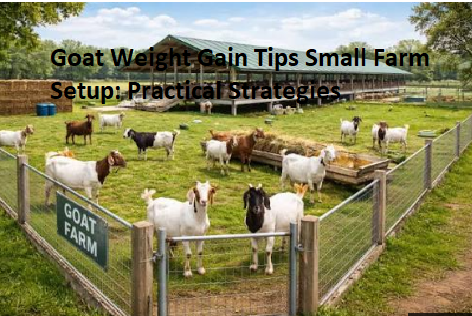
Implementing effective goat weight gain tips for a small farm setup requires a precise balance of nutrition, parasite management, and environmental comfort. If you are looking to increase your herd’s body condition, you should prioritize high-quality forage, supplemental energy sources, and routine health checks.
A goat in good condition should have a body condition score (BCS) between 2.5 and 3.5, where the ribs are not visible but can be felt with slight pressure. Achieving this on a small acreage involves maximizing feed efficiency rather than just increasing the volume of total feed provided.
Nutritional Foundations for Rapid Growth
The primary driver of weight gain in goats is the quality of protein and energy provided in their daily ration. You must move beyond basic grass hay if you want to see significant changes in body mass. Legume hays like alfalfa or clover provide higher protein levels, which are essential for muscle development and weight retention.
Energy density is equally critical, especially during colder months when goats burn more calories just to stay warm. Adding a small amount of grains, such as oats or barley, can boost the caloric intake without causing digestive upset. Always introduce new feeds gradually over two weeks to prevent acidosis, a condition that can actually cause weight loss.
Balancing Forage and Concentrates
A common mistake is over-relying on concentrates while neglecting the rumen’s need for long-stem fiber. Goats are browsers, meaning they thrive on a mix of brush, weeds, and grasses rather than uniform pastures. If your small farm lacks browse, you should provide hay in a feeder that keeps it off the ground to prevent waste and fecal contamination.
Consider the following dietary components for your weight gain strategy:
- Alfalfa Hay: Offers high calcium and protein for muscle growth.
- Black Oil Sunflower Seeds: Excellent source of healthy fats for calorie density.
- Beet Pulp: Provides digestible fiber that helps maintain rumen health.
- Loose Minerals: Essential for metabolic processes that drive growth.
The Role of Parasite Management
You cannot successfully increase a goat’s weight if internal parasites are stealing the nutrients before they reach the bloodstream. Barber pole worm (Haemonchus contortus) is the most common culprit for weight loss and anemia in small herds. If a goat looks thin despite having a full belly, parasites are almost certainly the primary cause.
You should perform regular FAMACHA scoring to check the color of the eyelid membranes. If the membranes are pale, the animal is likely suffering from an infestation and requires treatment. Relying solely on chemical dewormers can lead to resistance, so integrate pasture rotation as a mechanical way to break the parasite life cycle.
Optimizing the Small Farm Environment
Your physical setup significantly impacts how much energy your goats expend throughout the day. A cold, wet, or drafty environment forces animals to use their caloric intake for thermoregulation instead of weight gain. Ensure your shelter provides a dry, wind-protected area where goats can rest comfortably at night.
Space management is also a factor in stress reduction. Overcrowding leads to competition at the feed bunk, where the dominant goats eat more and the timid ones lose out. By providing multiple feeding stations, you ensure that every animal gets its fair share of the supplemental feed.
Water Quality and Intake
Water is the most overlooked nutrient in any livestock operation, yet it is vital for digestion. Goats are notoriously picky about their water and will drink significantly less if it is dirty or stagnant. If they don’t drink enough, they won’t eat enough, as the rumen requires high fluid levels to process dry matter.
Clean water buckets daily and ensure the trough is scrubbed of algae regularly. In the winter, consider using a tank heater to keep water at a palatable temperature. Goats will consume more water when it is warmed, which directly correlates to higher dry matter intake and better weight gain.
Tracking Progress with Data
You cannot manage what you do not measure. Keep a simple logbook or digital spreadsheet to track the weights of your goats at least once a month. This data will tell you if your current feeding program is working or if you need to adjust your strategy.
| Measurement Period | Expected Weight Gain (lbs) | Action Required |
|---|---|---|
| Initial Baseline | 0 | Establish diet plan |
| Month 1 | 5 – 8 | Monitor body condition |
| Month 2 | 5 – 8 | Adjust minerals if needed |
| Month 3 | 5 – 8 | Assess parasite load |
Managing Stress and Social Dynamics
Goats are herd animals that experience stress when isolated or when social hierarchies are disrupted. Chronic stress releases cortisol, which can lead to muscle wasting and a suppressed immune system. Keep your herd stable and avoid moving individuals in and out of the group frequently.
If you introduce new goats, do so slowly to prevent fighting and displacement from feeders. A calm, settled goat is a goat that spends its time ruminating and converting feed into mass. You can find more detailed information on animal husbandry standards through the USDA Animal and Plant Health Inspection Service regarding general livestock care.
Supplementation Strategies for Hard Keepers
Some goats are naturally “hard keepers” due to genetics, age, or metabolic history. For these animals, you may need to provide a separate “hospital” pen where they can be fed high-calorie supplements without competition. Flaxseed or soybean meal can be added to their ration to provide extra protein and essential fatty acids.
Be careful not to over-supplement with corn, as it can lead to fat deposition around the organs rather than healthy muscle gain. Focus on balanced nutrition that supports long-term health rather than quick, unhealthy weight spikes. Always consult with a local veterinarian if a specific animal continues to lose weight despite a high-quality diet.
Common Mistakes to Avoid
Many farmers fail because they try to “fix” weight issues with expensive, pre-mixed commercial blocks. These blocks are often high in molasses and low in the actual nutrients needed for muscle building. Relying on high-quality hay and specific, measured supplements is almost always more cost-effective and healthier for the animal.
Another common error is failing to provide adequate mineral access. Goats require specific ratios of copper, zinc, and selenium to maintain a healthy metabolism. If your soil is deficient in these minerals, your goats will struggle to gain weight regardless of how much they eat.
Sustainable Growth for the Future
Focusing on goat weight gain tips for a small farm setup ultimately comes down to consistency. By maintaining a clean environment, managing the parasite burden, and providing high-quality, consistent nutrition, you set your herd up for success. Remember that weight gain is a slow process that reflects the cumulative health of the animal.
As you monitor your herd, you will learn to spot the early signs of nutritional gaps before they become major issues. This proactive approach saves money on vet bills and leads to a more productive, thriving farm. If you stay patient and pay attention to the individual needs of your animals, you will see the results in their overall condition and vitality.
