

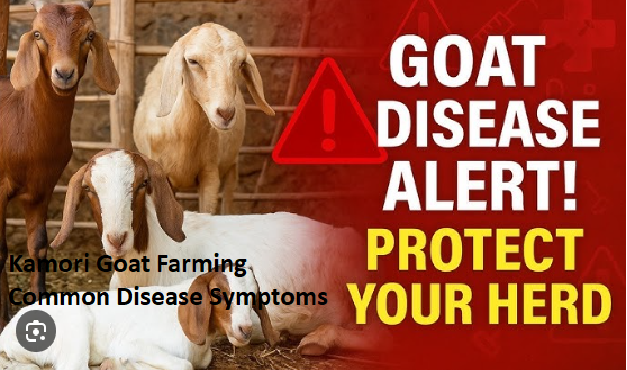
Identifying kamori goat farming common disease symptoms early is the most effective way to protect your herd and maintain profitability. These goats, prized for their distinct appearance and size, require specific vigilance to avoid costly losses. When you notice changes in behavior, appetite, or physical condition, you are likely witnessing the onset of a health challenge that demands immediate attention.
By mastering the signs of illness, you ensure that your investment in this premium breed remains secure and productive. The following breakdown covers the most frequent clinical signs and management strategies for this specific goat breed.
Primary Indicators of Ill Health
The most reliable way to spot a sick animal is by observing its daily habits. A healthy Kamori goat is alert, active, and maintains a steady rhythm of grazing or browsing.
When you notice a goat separating itself from the group, it is almost always a sign that something is wrong. This social isolation is a primary defense mechanism for prey animals, but it serves as a clear warning to the farmer.
Physical changes often manifest long before the goat becomes incapacitated. Look for a dull, rough coat that lacks the natural sheen typical of a well-nourished animal.
You should also monitor the animal’s eyes; they should be bright and clear. If you see sunken eyes, discharge, or excessive tearing, these are immediate indicators of underlying systemic stress or infection.
Temperature regulation is another critical metric for your daily rounds. A normal rectal temperature for a goat ranges between 101.5°F and 103.5°F.
Anything significantly higher suggests a fever, while a reading lower than 100°F often points to shock or severe metabolic collapse. Carrying a digital thermometer in your kit is not optional; it is the first tool you should use when a goat acts listless.
Respiratory Distress Signs
Respiratory issues are among the most common killers in intensive farming environments. You might notice a goat coughing, wheezing, or struggling to breathe while at rest.
These symptoms frequently point to pneumonia, which often strikes when humidity levels spike or ventilation in the shed is poor. Look for nasal discharge that changes from clear to thick, yellow, or greenish, as this signals an active infection.
Observe the animal’s breathing rate closely. A resting goat should take roughly 15 to 30 breaths per minute.
If the animal is panting or showing “heaving” in the flanks, it is likely experiencing significant respiratory distress. Do not wait for the situation to worsen, as lung damage in goats can become irreversible within a matter of days.
Check the environment for drafts and moisture accumulation. Kamori goats are sensitive to sudden weather shifts, especially during the monsoon season.
High ammonia levels from uncleaned bedding will irritate the respiratory tract, making the animals far more susceptible to airborne pathogens. Keeping the barn floor dry is a simple but vital preventive measure for respiratory health.
Digestive System Abnormalities
Diarrhea, or scours, is a frequent concern for farmers managing large herds. It can be caused by anything from dietary indiscretion to severe parasitic infestations like coccidiosis.
If you notice fluid stools or staining around the tail, you must act quickly to prevent dehydration. Dehydration is the primary cause of death in cases of severe diarrhea, rather than the infection itself.
Bloat is another critical digestive emergency that occurs when gas becomes trapped in the rumen. A goat suffering from bloat will have a noticeably distended left flank that feels tight like a drum.
This condition is life-threatening because the pressure prevents the animal from breathing and can lead to organ failure. Always keep anti-bloat medication on hand, as this condition can kill a goat in under an hour.
Monitor the manure consistency for changes in color or the presence of blood. While slight variations occur based on diet, persistent blood or mucus is a red flag for internal parasites. Regular deworming schedules are essential, but you should also conduct fecal egg counts to ensure your chosen anthelmintics are actually effective against the local parasite population.
Common Parasitic Infestations
Parasites are the silent profit-stealers in any goat operation. Internal worms, such as stomach worms or tapeworms, often present as weight loss despite a normal appetite.
You might also notice a condition known as “bottle jaw,” which is a swelling under the jaw caused by severe anemia due to blood-feeding parasites. This is a late-stage symptom, meaning the infestation is already critical.
External parasites like lice, mites, and ticks cause constant irritation. The goat will spend excessive time scratching or rubbing against walls and fences.
This behavior leads to hair loss, skin lesions, and secondary bacterial infections. Check the skin around the ears, between the toes, and under the tail for signs of these pests.
For more detailed information on managing these health risks, consult the Merck Veterinary Manual regarding standard production practices. Proper parasite control involves rotating pastures and maintaining clean housing. Do not rely solely on chemical treatments, as resistance is becoming a growing problem in many regions.
Infectious Skin Conditions
Skin health is a direct reflection of the animal’s immune status and environmental cleanliness. Contagious ecthyma, commonly known as orf, is a viral disease that presents as crusty scabs around the mouth and nose.
It is highly contagious among goats and can even spread to humans, so always wear gloves when handling affected animals. While orf is rarely fatal for adults, it can prevent kids from nursing, leading to secondary complications.
Fungal infections like ringworm are also common in damp, crowded conditions. These appear as circular, hairless patches that may or may not be itchy.
While generally not life-threatening, these lesions can spread quickly through the herd if not isolated. Keep the barn well-lit, as sunlight is a natural disinfectant that helps kill fungal spores.
Keep a close eye on the hooves as well. Foot rot is a bacterial infection that thrives in wet, muddy conditions.
It causes the goat to limp and eventually lose the ability to walk effectively. Examine the hooves regularly for foul-smelling discharge or separation of the hoof wall from the sole.
Data Comparison Table for Common Symptoms
The following table provides a quick reference to help you distinguish between various health issues based on the primary symptoms observed in your herd.
| Condition | Primary Symptom | Secondary Indicator |
|---|---|---|
| Pneumonia | Heavy breathing | Nasal discharge |
| Bloat | Distended left flank | Restlessness |
| Coccidiosis | Diarrhea | Weight loss |
| Orf | Mouth scabs | Reduced appetite |
| Foot Rot | Limping | Foul-smelling hoof |
Preventive Management Strategies
Vaccination programs are the cornerstone of a healthy herd. You must consult with a local veterinarian to establish a schedule that covers regional threats like Enterotoxemia, which is often called “overeating disease.”
This condition can strike healthy, fast-growing kids suddenly and is almost always fatal. Vaccinations should be administered consistently to ensure all animals, including new additions, are protected.
Biosecurity is the practice of keeping diseases out of your farm. Never introduce a new goat to your main herd without a mandatory quarantine period of at least 21 to 30 days.
During this time, observe the animal for any signs of illness. This simple step prevents the introduction of contagious diseases that could wipe out your entire operation.
Nutrition plays a massive role in disease resistance. A goat with a compromised immune system due to poor feed quality will always be the first to succumb to illness.
Ensure that your goats have access to clean water and a balanced mineral block at all times. Deficiencies in minerals like copper or selenium can manifest as hair loss, joint stiffness, and poor reproduction rates.
Recognizing Emergency Situations
Some conditions require immediate veterinary intervention. If you notice a goat that cannot stand, is having seizures, or is showing signs of severe pain like grinding teeth, you must act instantly.
Time is the most important factor in saving an animal’s life. Do not attempt “home remedies” for acute emergencies that are beyond your capability to manage.
Keep a basic emergency kit on hand at all times. This kit should include a thermometer, antiseptic spray, sterile gauze, syringes, and basic electrolytes.
Having these items ready allows you to stabilize the animal while you wait for professional help to arrive. Being prepared reduces the panic that often leads to poor decision-making during a crisis.
Consider the following list of essential supplies for your farm:
-
- Digital thermometer for temperature tracking
-
- Antiseptic wound spray for skin lesions
-
- Oral electrolytes for dehydration management
-
- Bloat treatment medication (bloat drench)
-
- High-quality mineral supplements
-
- Clean, sharp syringes and needles for medications
Conclusion
Mastering the recognition of kamori goat farming common disease symptoms is a skill that evolves with experience. By maintaining rigorous standards for hygiene, nutrition, and biosecurity, you create an environment where your goats can thrive rather than just survive. Always remember that your eyes are the most important tool on the farm; regular, observant rounds are far more valuable than any expensive medicine.
When you spot a problem early, you minimize the need for invasive treatments and protect your bottom line. If you remain vigilant and proactive in your health management, your herd will remain a source of pride and profit for years to come. Start by establishing a solid relationship with a local veterinarian today and keep your records of vaccinations and treatments up to date to ensure long-term success.
