

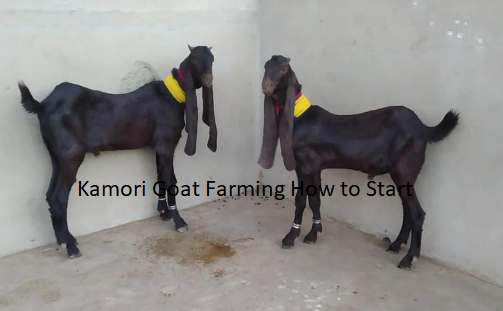
Understanding kamori goat farming how to start effectively requires a deep dive into the specific needs of this unique breed. Originating from the Sindh province of Pakistan, Kamori goats are prized for their distinctive long, pendulous ears and striking coat patterns. They are primarily a dual-purpose breed, valued for both meat production and their potential for milk yield.
Beginners often find the breed attractive due to their hardiness and high market value, yet success depends on meticulous planning. This article provides the essential framework for establishing a profitable operation, ensuring you understand both the biological requirements and the economic realities of managing these animals.
Initial Capital and Breed Selection
To grasp the fundamentals of kamori goat farming how to start, you must first address the financial outlay. A single purebred Kamori buck or doe can cost anywhere from $500 to over $2,000 depending on the lineage, ear length, and physical markings.
Beginners should avoid purchasing show-quality stock immediately, as the learning curve for managing high-value genetics is steep. Start with a small foundation herd of three to five healthy, middle-tier does and one high-quality buck.
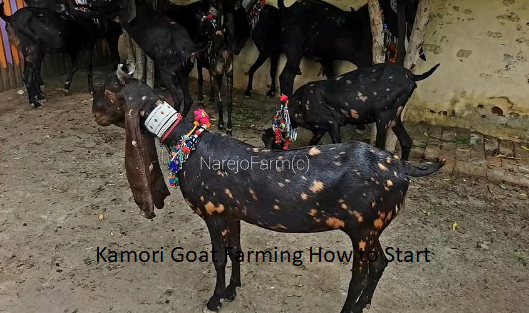
Selecting the right animals is a visual and records-based process. Look for clear eyes, a glossy coat, and a strong, upright stance that indicates vitality.
Examine the pedigree if possible, as it provides insight into the growth rates and health history of the ancestors. Ensure the buck has prominent, well-shaped ears, as these are the primary aesthetic markers that command a premium price in the market.
Housing and Infrastructure Requirements
Proper housing is non-negotiable when planning your facility. Kamori goats are sensitive to extreme dampness and drafts, which can lead to respiratory infections.
Build an elevated shed with a slatted floor to ensure waste drops away from the animals, keeping the living area dry. You should allocate at least 12 to 15 square feet of floor space per adult goat to prevent overcrowding.
Ventilation is the secret to a healthy herd. Position your shelter to take advantage of prevailing winds while ensuring the roof overhangs enough to keep rain from blowing inside.
Include a secure, fenced yard for daily exercise, using high-tensile wire or sturdy wooden panels. Ensure the perimeter is predator-proof, as the high market value of Kamori goats makes them prime targets for local wildlife and theft.
Nutritional Management and Forage
Feeding is the largest recurring expense in your budget. While these goats are browsers by nature, they require a balanced diet of high-quality roughage and concentrated supplements.
Provide access to clean, fresh water at all times, as dehydration is a leading cause of productivity loss. You should aim for a diet consisting of 60% forage and 40% high-protein concentrates during the breeding and lactation phases.
Incorporate legumes like alfalfa or clover to boost protein intake during growth spurts. Monitor body condition scores regularly; you want the goats to be well-fleshed but not obese.
Consult the Food and Agriculture Organization of the United Nations for global guidelines on small ruminant nutrition and sustainable grazing practices. Maintaining a consistent feeding schedule helps reduce stress and improves the overall growth rate of your herd.
Health Protocols and Veterinary Care
A proactive health strategy is the cornerstone of any successful operation. Establish a relationship with a large-animal veterinarian before you bring your first goat home.
You must maintain a strict vaccination schedule to protect against common threats like enterotoxemia and tetanus. Deworming should be performed on a rotation basis to prevent parasite resistance, which is a major challenge in humid environments.
Keep a detailed health log for every individual animal. Record dates of vaccinations, deworming treatments, and any signs of illness or injury.
Isolating sick animals in a quarantine pen is essential to prevent the spread of contagious diseases. Early detection is your best defense, so observe your herd closely every morning during the feeding routine.
Breeding Cycles and Herd Growth
Understanding the reproductive cycle is vital for scaling your business. Kamori goats are seasonal breeders, typically reaching sexual maturity between 8 and 10 months of age.
A healthy doe can produce two sets of kids every 14 to 16 months with proper management. Keep accurate records of breeding dates to predict kidding periods and ensure you have extra labor available during those times.
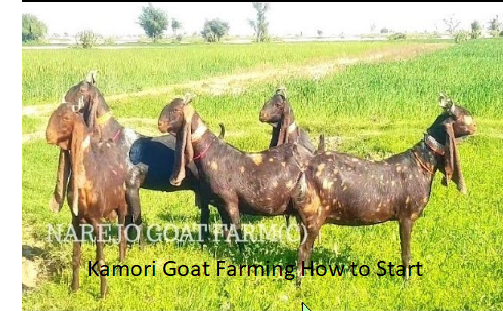
Manage your buck rotation carefully to avoid inbreeding, which can degrade the desirable breed characteristics over time. Consider swapping bucks with other reputable breeders every two years to maintain genetic diversity.
If a doe shows signs of difficulty during labor, be prepared to intervene or call for professional help immediately. Successful kidding seasons are the primary driver of profit in this industry.
Financial Planning and Market Analysis
Profitability in this niche relies on identifying your target market early. Are you raising goats for the meat market, the breeding market, or for hobbyists who prize them as status symbols?
Breeding stock often fetches a significantly higher price than animals sold for meat. Research local auctions and private sales to understand the current market value for different age brackets and physical qualities.
| Expense Category | Estimated Start-up Cost |
|---|---|
| Initial Breeding Stock (5 head) | $3,000 – $7,000 |
| Shelter Construction | $1,500 – $3,000 |
| Fencing and Security | $1,000 – $2,500 |
| Feed and Supplies (First 6 months) | $800 – $1,500 |
Track your expenses meticulously to ensure your margins remain healthy. The table above highlights the significant upfront costs, but remember that ongoing labor and veterinary care are equally important. Diversifying your income streams—perhaps by selling manure as fertilizer or offering breeding services—can help stabilize your cash flow during slower months.
Common Pitfalls for Beginners
Many new farmers fail because they underestimate the time commitment required. Goats are social, intelligent, and demanding animals that require daily attention.
Neglecting daily health checks or failing to secure the perimeter leads to preventable losses. Avoid the temptation to overstock your land; a crowded pasture leads to soil degradation and increased parasite loads.
Another common mistake is ignoring the importance of pedigree records. Without documentation, you are essentially selling “grade” goats rather than purebred Kamori stock.
This limits your ability to command premium prices. Always register your animals with recognized breed associations if you intend to move beyond subsistence farming into professional breeding.
Scaling Your Operation
Once you have mastered the basics, you can look toward expansion. Scaling involves more than just adding more goats; it requires better land management and improved marketing.
Implement rotational grazing to keep your pastures healthy and minimize the need for supplemental feed. Invest in better equipment, such as automated feeders or improved handling chutes, to save on labor costs.
* Establish a digital presence to showcase your best genetics.
* Attend agricultural fairs to network with other breeders.
* Join local goat farming cooperatives to share resources and knowledge.
* Focus on selective breeding to improve specific traits like ear length and coat color.
As you grow, continue to prioritize quality over quantity. A smaller herd of high-quality animals is often more profitable and easier to manage than a large herd of mediocre stock. Keep refining your breeding program based on the feedback you receive from buyers and the health performance of your offspring.
Conclusion
Starting a business with this specific breed is a rewarding endeavor if you approach it with patience and a commitment to animal welfare. By focusing on quality breeding stock, secure housing, and rigorous health protocols, you lay a foundation for long-term success. Remember that kamori goat farming how to start is a process of constant learning and adaptation to your local environment.
You should begin by visiting established farms to see these practices in action. Reach out to local agricultural extension offices for advice tailored to your climate and soil conditions. With careful planning and consistent management, your herd can become a valuable asset and a source of pride for years to come.
