

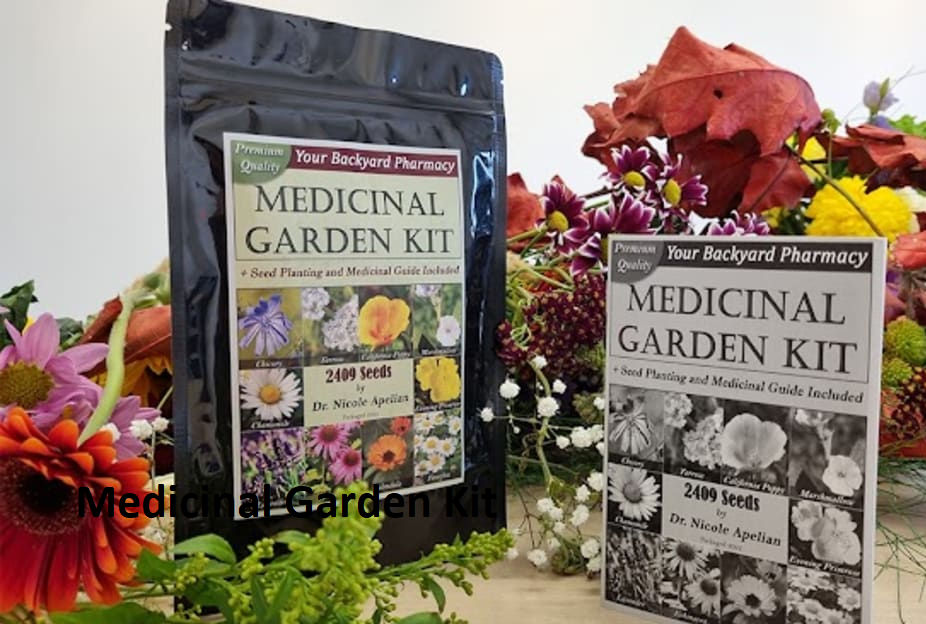
Do you want to grow healing herbs right in your own backyard or on a sunny windowsill? A Medicinal Garden Kit is one of the easiest ways to start. These kits bundle seeds with planting supplies, so you do not have to shop for each item separately. This guide explains what a Medicinal Garden Kit contains, how to grow it, and what to watch for before you buy. You will also find a balanced look at pros and cons, pricing, and customer feedback. Because product details change often, always confirm the current contents on the seller’s page before you order.
What Is a Medicinal Garden Kit?
A Medicinal Garden Kit is a starter package for growing herbs that people have used for centuries. Most kits focus on plants with a long history in traditional herbal practice. Many gardeners choose these plants because they are colorful, fragrant, and attractive to pollinators. Therefore, a kit can serve as both a useful herb patch and a beautiful addition to your yard.
The main idea is simple. You receive a set of seeds, along with instructions and sometimes basic supplies. You then plant, water, and care for the herbs until they are ready to harvest. Some people use the herbs for tea. Others dry them, infuse oils, or simply enjoy the flowers. Still, a kit is only a starting point. Your results depend on your climate, your soil, and how consistently you care for the plants.
What Usually Comes Inside a Medicinal Garden Kit?
Contents vary from one seller to another. However, most kits include a core group of seed packets, a planting guide, and a few helpful extras. First, check the seed list carefully. A strong kit names each plant clearly and lists the number of seeds in each packet. Next, look for the growing season and sun needs printed on the packaging.
Common extras include seed starting trays, peat or coir pellets, plant labels, and small pots. In addition, some kits offer organic potting mix or a simple tool such as a hand trowel. These items can save time, especially for beginners. However, they also raise the price. Therefore, compare what you actually need against what the kit adds. If you already own pots and soil, a seeds-only option may give better value.
Top Medicinal Herbs to Grow in Your Kit
Most Medicinal Garden Kit options feature a similar group of herbs. Each plant has its own growing habits, so it helps to understand them before you begin.
Chamomile Seeds
Chamomile is one of the most popular herbs in any home herbal garden. German chamomile produces small daisy-like flowers that many people dry for tea. Chamomile grows quickly from seed, and it tolerates a range of conditions. However, it prefers full sun and well-drained soil. Also, people with ragweed or daisy allergies should use chamomile with caution.
Lavender Seeds
Lavender seeds are slower to sprout than many other herbs. They often need several weeks of cold stratification before they germinate. Once established, lavender is a long-lived perennial that loves hot, dry conditions. Gardeners often grow it for its scent, and many use the dried buds in sachets and teas. Because lavender needs excellent drainage, a raised bed or container works especially well.
Echinacea Seeds
Echinacea, also called purple coneflower, is a hardy perennial with bold pink and purple blooms. It attracts bees and butterflies, which makes it valuable for pollinator gardens. Echinacea grows best in full sun. Also, it takes patience, because plants from seed often bloom in their second year. People with autoimmune conditions should speak with a doctor before using echinacea products.
Calendula Seeds
Calendula, or pot marigold, is an easy annual that rewards beginners. Its bright orange and yellow flowers bloom for months. Calendula seeds sprout quickly, and deadheading spent flowers encourages more blooms. Many gardeners dry the petals for salves and teas. In addition, calendula is a helpful companion plant that may attract beneficial insects.
Yarrow Seeds
Yarrow is a tough perennial with feathery leaves and flat clusters of flowers. It grows well in poor soil and needs little water once established. Yarrow spreads readily, so give it room or contain it. Historically, gardeners have valued yarrow for its drought tolerance and its place in traditional herbal guides.
Feverfew Seeds
Feverfew resembles a small daisy and self-seeds easily in many gardens. It prefers sun and average soil. However, feverfew is not recommended for pregnant people, and anyone taking blood-thinning medication should consult a healthcare professional before use. Always treat feverfew as a plant to grow and admire first.
California Poppy Seeds
California poppy is a cheerful, drought-tolerant annual with orange blooms. It is often included in kits for its beauty and easy growth. Sow the seeds directly in the ground, because poppies dislike transplanting. Although many people grow it as an ornamental, its medicinal use is limited, so research it carefully before using any part of the plant.
Evening Primrose Seeds
Evening primrose produces yellow flowers that open at dusk. It is a biennial, which means it grows leaves in the first year and flowers in the second. The plant grows well in sunny spots with loose soil. Gardeners often grow it for pollinators and night-blooming interest. Evening primrose oil is widely sold, but eating plant parts requires caution, so consult a professional first.
Marshmallow Plant Seeds
The marshmallow plant is a tall perennial with soft pink flowers. Its roots have a long history in traditional herbal preparations. Marshmallow seeds germinate best after a short soak. The plant likes moist, fertile soil and a sunny location. Give it plenty of space, because it can grow several feet tall.
Chicory Seeds
Chicory is a hardy perennial with striking blue flowers. Its roots have been roasted and used as a coffee substitute for generations. Chicory tolerates many soil types and needs little care. However, it can spread, so plant it where it has room to grow.
Benefits of a Medicinal Herb Garden Kit
A Medicinal Garden Kit offers several practical advantages. First, it gives you control over your herbs. When you grow your own plants, you know how they were cultivated. You can choose whether to use pesticides, and you can avoid unknown additives. Second, a kit saves money over time. Fresh herbs can be expensive at the store, and a healthy plant may produce for years.
Third, herb gardening supports wellness in a broader sense. Spending time outdoors, tending plants, and watching them grow can reduce stress for many people. Fourth, a home herbal garden helps pollinators. Bees and butterflies visit many medicinal flowers, which supports local ecosystems. Finally, growing your own herbs builds practical knowledge. Over time, you learn how plants respond to light, water, and seasons.
That said, herbs are not a replacement for medical care. Growing a plant does not guarantee it will treat a condition. Therefore, view your garden as a source of food, scent, and hobby enjoyment first. Use herbs for health purposes only after reliable research and guidance from a qualified professional.
Pros and Cons of a Medicinal Garden Kit
A balanced review should highlight both strengths and weaknesses. Below is an honest summary based on how these kits typically work.
The strengths are easy to see. Kits simplify shopping because everything arrives together. They suit beginners who do not know which herbs to choose. Many include clear instructions, which lowers the learning curve. Additionally, a kit can introduce you to a wide range of plants in one purchase.
The weaknesses matter just as much. Seeds sometimes have low germination rates, especially when they are old or poorly stored. Shipping delays can push back your planting schedule. Some kits include more seeds than you need, while others skimp on quantity. Also, the herb selection may not match your local climate. For example, a plant that thrives in Arizona may struggle in a cold northern winter. Finally, quality varies. Therefore, read the details closely before paying.
Medicinal Garden Kit Price and Value
Prices for a Medicinal Garden Kit vary widely. The total depends on seed count, included supplies, brand reputation, and shipping costs. Instead of focusing only on the lowest sticker price, consider cost per usable plant. A slightly more expensive kit may deliver better germination and more useful supplies.
To judge value, do a quick comparison. First, count the number of seed packets and the seeds in each one. Next, check whether the kit includes soil, pots, and trays. Then, add shipping fees to the total. Finally, compare the herb list against your goals. If you want tea herbs, look for chamomile, calendula, and lemon balm. If you want pollinator support, focus on echinacea, yarrow, and evening primrose.
Keep in mind that buying seeds separately can cost less. However, it requires more planning. Therefore, a kit often makes sense for someone who wants convenience and guidance.
Medicinal Garden Kit Reviews and Complaints: What to Check
Customer feedback can reveal useful patterns, but it must be read carefully. Start by checking reviews on several platforms, not just the seller’s own website. Look for repeated themes rather than single emotional stories. For example, if many buyers mention poor germination, that deserves attention. In contrast, one unhappy customer may simply have stored seeds in a hot room.
When you read complaints, look for specific details. Useful reviews mention the planting season, the growing method, and the length of time before germination. They also describe whether the company responded to problems. Meanwhile, be cautious about reviews that sound identical or that praise every aspect of a product. Also, consider whether the seller offers a clear return or replacement policy.
If you are asking whether a kit is legit or a scam, verify the seller first. Look for a real business address, a working contact method, and transparent policies. Check whether the company explains where its seeds come from. A reputable seller provides accurate information and does not make exaggerated health promises. Therefore, avoid any listing that claims herbs will cure serious diseases.
How to Grow Your Medicinal Garden Kit Step by Step
Success with any Medicinal Garden Kit starts with planning. Good preparation makes each later step easier.
Plan Your Space and Timing
First, choose a location that gets at least six hours of direct sunlight each day. Next, check your growing zone, since it determines when you can plant outdoors. Then, decide whether you will use raised beds, containers, or an open garden plot. Containers work well for beginners because they allow you to control soil and drainage. Finally, mark your planting calendar based on the last spring frost date in your area.
Start Your Seeds
Read the seed packet before planting. Some herbs, such as calendula and chamomile, sprout quickly in warm soil. Others, such as lavender, may need a cold period first. Fill your trays with light, well-drained seed starting mix. Plant seeds at the depth listed on the packet. Then, mist the surface and cover the tray lightly. Keep the soil moist but not soggy. Also, provide warmth and bright light until seedlings appear.
Transplant Carefully
Once seedlings develop two or three true leaves, they are ready to move. Harden them off first by setting them outdoors for a few hours each day over one to two weeks. This process helps them adjust to wind, sun, and temperature changes. Afterward, plant them in the garden or larger containers. Space each herb according to its mature size, since crowded plants invite disease.
Care for Your Plants
Water deeply but less often, which encourages strong roots. Most medicinal herbs prefer soil that dries slightly between waterings. Mulch around the base to hold moisture and suppress weeds. Feed plants sparingly, because too much fertilizer can weaken flavor and fragrance. Watch for pests such as aphids, and remove them by hand or with a gentle spray of water. Natural pest control works well in most home gardens.
Harvest and Store Your Herbs
Harvest herbs when they reach peak growth. Many gardeners pick flowers in the morning after the dew dries. Hang small bundles in a dry, dark, and airy spot to dry them. Once fully dry, store the material in airtight jars away from heat and light. Label each container with the plant name and harvest date. As a result, you can track freshness and avoid mix-ups.
Safety Tips Before Using Your Herbs
Safety should come first whenever you grow or use medicinal plants. Many herbs have active compounds, and some can cause reactions. Therefore, never eat or apply any plant until you have confirmed its identity and safe use.
Start by identifying each plant correctly. Some herbs look similar to toxic plants, so compare photos, labels, and reliable botanical references. Next, understand personal risks. Pregnant or breastfeeding people should speak with a doctor before using any herb. People who take prescription medication should also check for interactions. Additionally, people with allergies to ragweed or daisies may react to chamomile or feverfew.
Finally, remember that herbs are not a substitute for professional care. If you have a health concern, contact a qualified healthcare provider. Use your garden as a source of enjoyment and education, and use herbal products responsibly.
Buying Guide: How to Choose the Right Medicinal Garden Kit
Choosing the right kit becomes easier when you know what you need. Start by defining your goal. Are you a beginner who wants an easy introduction? Do you want pollinator plants, tea herbs, or ornamental blooms? Your answer will guide your choice.
Next, review the herb list and planting instructions. A quality kit names each plant and explains how to grow it. It also states whether seeds are annuals, biennials, or perennials. Then, check the seed count, because a larger number gives you more room for error. Look at the included supplies as well. If you already own pots and soil, you may prefer a simpler package.
Finally, evaluate the seller. Choose a company with clear policies, accurate descriptions, and visible contact information. Read recent reviews. Compare total cost, including shipping. When you follow these steps, you can pick a kit that fits your space, skill level, and budget.
Conclusion
A Medicinal Garden Kit can be a rewarding way to begin growing herbs at home. It brings together seeds and helpful guidance, which makes the process approachable for beginners and useful for experienced gardeners too. Still, success depends on choosing a kit with clear contents, planting it in the right conditions, and caring for it consistently. Therefore, take time to compare seed lists, prices, and customer feedback before you buy. Also, remember that growing a herb is not the same as using it medicinally. Respect safety guidelines, speak with a professional when needed, and enjoy the process. With patience and planning, your herbal garden can provide beauty, fragrance, pollinator support, and a deeper connection to the plants you grow.
Frequently Asked Questions
What is included in a Medicinal Garden Kit?
Most kits include a selection of herb seeds and a planting guide. Some also offer seed starting trays, pots, soil, and labels. Always check the seller’s listing for the exact contents before ordering.
Are Medicinal Garden Kits good for beginners?
Yes, many are designed with beginners in mind. They simplify shopping and provide instructions. However, beginners should choose herbs that match their climate and experience level.
How long does it take for medicinal herb seeds to sprout?
Timing varies by plant. Calendula and chamomile often sprout within one to two weeks. Lavender may take much longer and often needs a cold treatment first. Always follow the instructions on the seed packet.
Can I grow a Medicinal Garden Kit indoors?
You can grow many herbs indoors if you provide strong light. A bright south-facing window or a grow light works well. Choose compact varieties and containers with good drainage.
Are herbs from a Medicinal Garden Kit safe to use?
Growing herbs is generally safe, but using them requires caution. Identify each plant correctly and research possible allergies or interactions. Pregnant people, people with medical conditions, and people taking medication should consult a healthcare professional first.
How do I know if a Medicinal Garden Kit seller is legit?
Look for a real business address, working contact details, clear return policies, and consistent customer feedback across several platforms. Be wary of exaggerated health claims or missing company information.
Is a Medicinal Garden Kit worth the price?
It depends on your goals. If you value convenience, guidance, and a complete starter set, a kit may be worth it. If you already own supplies, buying seeds individually may save money.
What is the best time to plant a medicinal herb garden?
Most gardeners plant after the last spring frost, when soil has warmed. Some herbs can also be started indoors several weeks earlier. Check your local growing zone and frost dates for accurate timing.
