

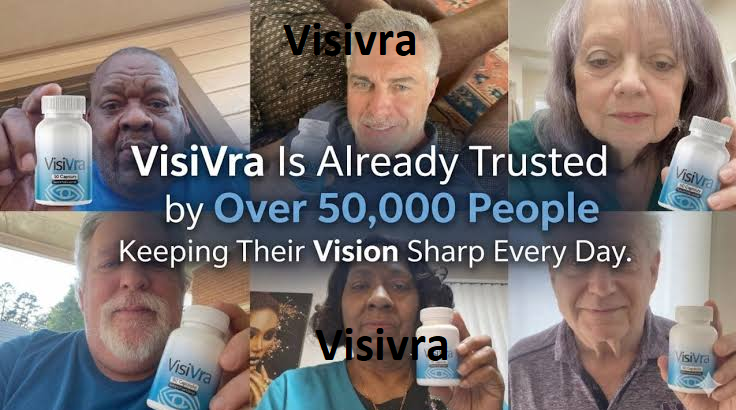
Visivra Review 2026: Ingredients, Benefits, Side Effects and Buying Guide
If you spend hours staring at a laptop or phone, your eyes may feel tired by evening. That experience pushes many people to look for a simple daily routine that supports vision. Visivra is one of the eye health supplements that keeps appearing in search results, so it makes sense to ask whether it deserves a place in your routine.
This Visivra review takes a balanced look at the product. You will learn what Visivra claims to do, which ingredients it contains, what the research says about those ingredients and where the evidence is still thin. You will also find practical guidance on safety, dosage, price and how to check whether a seller is trustworthy. Think of this guide as a research-based starting point rather than a sales pitch.
What Is Visivra?
Visivra is marketed as a daily dietary supplement in capsule form. Its makers describe it as a formula for eye health, vision support and eye comfort during long hours of screen use. Like most products in this category, it is not a medicine, and it does not treat or cure any eye disease.
Because the product appears on many different websites, the details vary from page to page. Some sources describe a bottle of 30 capsules, which equals about one month at one capsule per day. Other sources mention bundles of two, three or six bottles. Before you buy, compare the label on the actual product with the details you read online. If the two do not match, trust the label and contact the seller.
Why Eye Health Support Gets So Much Attention
Modern life places heavy demands on your eyes. Digital screens require constant focusing, and people tend to blink less when they concentrate on a display. As a result, many adults report dryness, fatigue and blurred vision at the end of the day. This common experience is often called digital eye strain.
Age also plays a major role. Over time, the macula, which is the central part of the retina responsible for sharp detail, can change. Age-related macular degeneration is a leading cause of vision loss in older adults. Because of this, researchers have studied nutrients that accumulate in the eye and may help protect it from oxidative stress. Several of these nutrients appear in Visivra, so the next section examines them one by one.
Visivra Ingredients Explained
The ingredient list is the most important part of any supplement review. Based on the most consistent information available, Visivra contains lutein, zeaxanthin, bilberry extract, astaxanthin, zinc and vitamin A. Some marketing pages also mention vitamins C and E, so confirm the exact list on the label before you buy.
Lutein and Zeaxanthin
Lutein and zeaxanthin are carotenoids. Your body cannot make them, so you must get them from food. You can find them in leafy greens such as spinach and kale, along with egg yolks and corn. These two pigments concentrate in the macula, where they form what scientists call macular pigment.
Research on these nutrients is among the strongest in the eye health field. The Age-Related Eye Disease Study 2, known as AREDS2 and sponsored by the National Eye Institute, tested whether lutein and zeaxanthin could replace beta carotene in an eye vitamin formula. The study found that lutein and zeaxanthin worked as a safe alternative, and it helped people with intermediate age-related macular degeneration. Notably, the benefit appeared in people with lower dietary intake of these carotenoids. Moreover, the study did not show that lutein and zeaxanthin cure the disease. They appear to help slow progression in certain at-risk adults.
Lutein and zeaxanthin also absorb some blue light. Still, most of the research on blue light filtering comes from laboratory and small human studies. Therefore, the effect on everyday digital eye strain remains less certain.
Astaxanthin and Bilberry Extract
Astaxanthin is a red carotenoid found in algae, salmon and shrimp. It is a strong antioxidant in laboratory studies. Some small human trials have looked at eye fatigue and visual comfort, and a few reported modest improvements. However, these trials were small and often short. Larger, longer studies are needed before anyone can draw firm conclusions.
Bilberry is a berry related to blueberries. People have used it in traditional medicine for vision for many centuries. Modern studies on bilberry and eye health are mixed. Some show short-term changes in visual function, while others find little benefit. For that reason, bilberry should be viewed as a supporting ingredient rather than a proven solution.
Zinc and Vitamin A
Zinc supports many enzymes in the eye, including those involved in vitamin A metabolism. It was part of the original AREDS formula, which means it has a place in research on macular health. However, zinc can cause nausea and stomach upset, and long-term high doses may lower copper levels.
Vitamin A is essential for normal vision, especially in low light. It helps the retina respond to light. At the same time, vitamin A is a nutrient that requires care. Too much preformed vitamin A can be harmful. In addition, people who smoke should avoid high-dose beta carotene because of increased lung cancer risk in past studies. Check whether the vitamin A in Visivra comes from preformed retinol or from beta carotene, since this detail matters for safety.
Visivra Benefits: What the Evidence Suggests
Visivra’s marketing lists several benefits, including support for clearer vision, comfort during screen use, retinal health and general eye wellness. Each benefit connects to ingredients that have some research behind them. However, the connection between a supplement and a real-world result is always more complicated than a product page suggests.
Here is a realistic way to think about the potential benefits. The carotenoids may support macular pigment levels, which matter for visual performance and long-term retinal health. Antioxidants may help reduce oxidative stress, which is one factor linked to aging eyes. Vitamin A supports normal night vision and healthy surface tissue. Each of these benefits depends on your current diet, age and health status. A supplement cannot replace a balanced diet, regular eye exams or sun protection.
Does Visivra Work? A Realistic Look
Many readers want a simple yes or no answer to the question, does Visivra work? The honest answer is that no independent, large clinical trial has tested Visivra as a finished product, at least not in sources I could verify. Instead, the product relies on ingredients that have evidence in other settings.
That distinction matters. A formula with lutein and zeaxanthin may support macular pigment in people who do not get enough of these nutrients from food. A formula with several ingredients may still deliver little benefit if the doses are low or if your diet already supplies enough. Results also vary from person to person.
Product pages often say that most users notice changes after several weeks of daily use. That timeline is plausible for nutrient-based supplements, since the body builds up macular pigment slowly. Still, no supplement should be expected to reverse eye damage or fix a serious problem. If your vision changes suddenly, see an eye doctor right away.
Visivra Side Effects and Safety
Most people tolerate common eye vitamins well, but side effects are possible. Based on the ingredients and general supplement research, the most likely issues include mild stomach upset, nausea and a metallic taste linked to zinc. Some people also notice changes in stool color after taking astaxanthin, although this effect is generally harmless.
More serious concerns involve dose and interactions. Excess vitamin A can cause headaches, dizziness and liver problems over time. Bilberry may increase the effect of blood-thinning medicines, so talk with a doctor if you take warfarin or aspirin regularly. Zinc can interfere with some antibiotics and with certain medicines for the thyroid, so spacing doses may help.
Certain groups should speak with a healthcare professional before starting. These include pregnant or breastfeeding women, people with liver or kidney disease, smokers, people taking prescription medicines, and anyone with a known allergy to shellfish, which can matter if the astaxanthin source is shrimp or krill. If a reaction occurs, stop taking the product and contact a doctor.
Visivra Dosage and How to Take It
Marketing materials generally describe one capsule per day. Because product information varies, follow the directions printed on the label you receive. Do not exceed the recommended amount. Taking more does not speed up results, and it can increase the risk of vitamin A and zinc toxicity.
Take the capsule with a meal that contains some fat. Fat-soluble nutrients such as lutein, zeaxanthin, astaxanthin and vitamin A absorb better when taken with food. Also, consistency matters more than timing. Choose a time of day you will remember, such as breakfast or dinner, and keep it steady.
If you already take a multivitamin, check the total amount of vitamin A and zinc you consume each day. Doubling up on these nutrients can push your intake past safe limits. A pharmacist can help you review your full routine in a few minutes.
Visivra Price and Where to Buy Safely
Prices for Visivra vary across websites, and promotional bundles often appear with countdown timers and large discounts. Before you buy, calculate the cost per month rather than the headline price. A bundle of six bottles may seem cheaper, but it commits you to several months of use before you know whether the product suits you.
Shipping fees, subscription terms and refund policies also affect the final cost. Read the checkout page carefully. Look for a clear cancellation process, and avoid any seller that makes it hard to find contact details or return instructions. The safest approach is to buy from the official brand website or from a major retailer that clearly identifies the seller.
Is Visivra Legit? How to Check
Legitimacy is an important question for any supplement. One review names Vigorus as the manufacturer, based on the legal pages of the official website. Use that information as a starting point, and verify it yourself. Search for the company name, check its business registration in your state, and confirm that contact details, a physical address and a privacy policy are available.
Also look for evidence of quality control. Reputable supplement makers often provide certificates of analysis or third-party testing results from independent labs. These documents confirm that the product contains what the label says and does not contain harmful contaminants. If a brand cannot provide this information, be cautious.
Several warning signs suggest a questionable seller. Watch for claims that a supplement cures macular degeneration or reverses blindness, fake news-style articles, pressure tactics such as countdown timers, and reviews that all sound identical. Any of these signs means you should slow down and investigate further.
Visivra Customer Reviews: What to Make of Them
Customer reviews can offer useful perspective, but they need careful reading. Many reviews online come from affiliate websites that earn commissions on sales. Others come directly from the brand. Because of this, the overall rating you see may not reflect a neutral sample of real buyers.
When you read reviews, look for specific details. A helpful review explains how long the person took the product, what they noticed and what other factors might have played a role, such as screen time or sleep. Be skeptical of reviews that promise dramatic results in a few days. Individual experiences differ, and a review is only one data point, not proof.
Visivra Pros and Cons
Every product has strengths and limitations. Here is a balanced summary based on the information available.
Pros
- The formula includes lutein and zeaxanthin, which have some of the strongest research among eye nutrients.
- The capsules are simple to take once a day and fit easily into a routine.
- The ingredient list focuses on well-known eye nutrients rather than unusual stimulants.
- A money-back guarantee may be offered, though you must verify the exact terms before you buy.
Cons
- No independent large-scale clinical trial of the finished Visivra formula could be verified.
- Ingredient lists differ across websites, so the exact formula is hard to confirm.
- Some doses and forms of vitamin A and zinc require caution, especially for smokers and people taking medicines.
- Marketing pages use aggressive urgency tactics and make claims that go beyond the evidence.
Who Should Consider Visivra and Who Should Skip It
Visivra may suit adults who eat a limited amount of leafy greens and want to add carotenoids to their daily routine. It may also interest people who spend long hours on screens and want a nutrient-based option alongside healthy habits such as regular breaks and good sleep.
On the other hand, skip Visivra if you are pregnant, taking prescription medicines, managing a liver or kidney condition, or already taking a multivitamin with high levels of vitamin A or zinc. Also skip it if a seller makes unrealistic promises. A supplement should never replace an eye exam, especially if you notice flashes of light, sudden blurring, eye pain or loss of peripheral vision.
Conclusion
Visivra is a daily eye health supplement built around ingredients that have a place in vision research. Lutein and zeaxanthin have the strongest evidence, while astaxanthin, bilberry and the other components have more limited support. Overall, the product seems designed to complement a healthy lifestyle rather than replace one.
Before you buy, confirm the ingredient list on the label, talk with your doctor if you take medicines, and verify the seller. Set realistic expectations, and track how you feel over several weeks. Most importantly, keep up with regular eye exams. Your eye doctor can detect changes that no supplement can measure at home.
Frequently Asked Questions
Does Visivra work for eye health?
Visivra contains ingredients with research behind them, especially lutein and zeaxanthin. However, no large independent clinical trial of the finished Visivra formula could be verified. Any benefit you experience depends on your diet, age and overall health.
What are the main Visivra ingredients?
The most consistent ingredient list includes lutein, zeaxanthin, bilberry extract, astaxanthin, zinc and vitamin A. Some websites also mention vitamins C and E, so always check the label on your bottle.
Are there Visivra side effects?
Possible side effects include mild stomach upset, nausea and a metallic taste from zinc. Excess vitamin A can be harmful, and bilberry may interact with blood thinners. Stop taking the product and contact a doctor if you have a reaction.
What is the recommended Visivra dosage?
Marketing materials generally describe one capsule per day with food. Follow the label directions exactly and do not exceed the recommended amount. Ask a pharmacist or doctor if you have questions about your total vitamin A or zinc intake.
Is Visivra legit?
One source names Vigorus as the manufacturer. To check legitimacy, confirm the company registration, contact details, refund policy and any third-party testing documents. Avoid sellers that use countdown timers, make cure claims or hide their contact information.
How long does it take to see results from Visivra?
Product pages often say that changes appear after several weeks of daily use. Nutrient-based supplements usually work slowly, so consistency matters. No supplement should be expected to reverse eye damage, and sudden vision changes need prompt medical attention.
Can Visivra replace an eye exam or prescription glasses?
No. Visivra cannot replace an eye exam, prescription lenses or medical treatment. Regular checkups allow your eye doctor to detect problems early, including conditions that have no obvious symptoms.
Is Visivra safe for everyone?
Visivra is not appropriate for everyone. Pregnant or breastfeeding women, people taking prescription medicines, smokers and people with liver or kidney conditions should talk with a healthcare professional before starting any supplement.
