

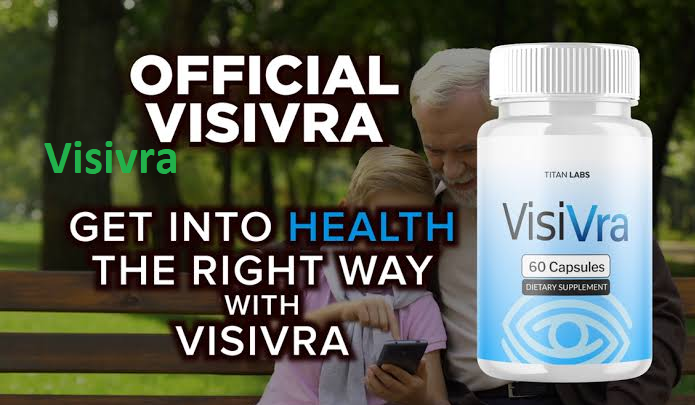
Visivra Review 2026: Ingredients Benefits and Safety Facts
If you spend long hours in front of a laptop or phone, you have probably wondered whether your eyes need some extra help. Visivra is one of many eye health supplements that promise clearer vision and relief from daily eye strain. But does it live up to the hype? This review looks at what Visivra is, what it contains, what the research says, and what you should know before you spend money on it.
The short answer is this. Visivra contains nutrients that have some scientific interest for eye health. Still, the finished product has not been tested in independent clinical trials that we could find. That gap matters, so let’s look at the details.
What Is Visivra?
Visivra is marketed as a dietary supplement for eye health. It comes in capsule form and is designed to be taken once a day. The brand describes it as a formula that supports sharp vision and comfortable eyes during screen use. Marketing materials also mention retinal and macular health.
Dietary supplements work differently from prescription medicines. In the United States, the FDA does not approve supplements for effectiveness before they reach shelves. The manufacturer is responsible for making sure its product is safe and that its label is accurate. As a result, a supplement can be sold without proof that it works. Keep this in mind as you read any claim about Visivra, including the ones in this article.
Visivra Ingredients Explained
Ingredient lists for Visivra vary from one online source to another. Most sources mention a core group of nutrients, though not every source agrees on the full list. Dosage amounts were not disclosed in the materials we reviewed. Without those numbers, you cannot judge whether a bottle provides the levels used in research.
Lutein and zeaxanthin are carotenoids found in leafy greens and egg yolks. They collect in the macula, which is the central part of the retina. Research suggests they may filter some high energy blue light and act as antioxidants. A large study called AREDS2 found that lutein and zeaxanthin can replace beta carotene in eye vitamin formulas for people with age related macular degeneration. This is one of the strongest pieces of evidence behind the Visivra ingredients list.
Bilberry extract comes from a dark berry rich in plant compounds called anthocyanins. Older studies explored its role in night vision and eye fatigue, but the results have been mixed. Astaxanthin is a red pigment produced by microalgae, and it has antioxidant activity. Small studies have looked at its effects on eye fatigue, yet the evidence remains limited.
Zinc is a mineral that helps move vitamin A through the body and supports normal retinal function. It also appears in the AREDS formulas. Vitamin A is needed for normal vision, and a deficiency can cause night blindness. Too much vitamin A, however, can be harmful, which is why dosage matters.
Vitamins C and E are antioxidants that help protect eye tissues from oxidative stress. Some sources also list omega-3 fatty acids, which play a role in the tear film. Dry eye support is one reason people look at omega-3 products. Again, not every Visivra source includes these same ingredients, so always read the label on the bottle you actually buy.
Possible Visivra Benefits
Visivra benefits are described in broad terms across most sources. The brand focuses on four main ideas. These include supporting clearer vision, easing digital eye strain, supporting macular health, and promoting general eye comfort. Each idea connects to a nutrient that has been studied, but that connection does not prove the finished product delivers these results.
It helps to understand what supplements can and cannot do. Most healthy adults already get enough vitamin A and vitamin C from food. Supplements tend to offer the most value when a person has a diagnosed deficiency or an existing eye condition, and that situation should be discussed with an eye doctor. Evidence that supplements sharpen vision in healthy people is limited.
Digital eye strain is a common complaint. Symptoms include dry eyes, tired eyes, and blurred focus after long screen sessions. Many experts point to habits as bigger factors than nutrition. People tend to blink less while looking at screens, and glare or poor lighting can make the problem worse. Simple steps such as the 20-20-20 rule, better lighting, and proper screen distance can help right away. A supplement may be one part of a broader eye care routine, but it should not replace these habits.
What the Research Says About These Ingredients
The evidence behind Visivra is really a story about its individual ingredients. Lutein and zeaxanthin have the strongest body of research. The AREDS2 trial supports their use in people who already have intermediate or advanced macular degeneration. That is an important detail, because the trial studied people with an existing eye disease rather than healthy adults looking for general support.
Zinc, vitamin C, and vitamin E also appear in the AREDS formulas. Those results come from the same type of patient group. For healthy people, the research is far less clear. Bilberry, astaxanthin, and omega-3 fatty acids have smaller or more mixed evidence bases. Some studies look promising, while others show little difference from placebo.
Even so, the product matters as much as the ingredients. A finished supplement may use different doses, different forms, or different combinations than the studies tested. We could not find an independent trial of the Visivra product itself. That means you cannot assume that taking Visivra will produce the same results seen in the research on its parts.
Visivra Side Effects and Safety
Most dietary supplements cause mild or no side effects. Some people report an upset stomach, nausea, or headaches when they start a new supplement. Taking a capsule with food may reduce stomach discomfort for many people. If symptoms continue, stop use and talk with a healthcare provider.
Some Visivra ingredients carry specific safety concerns. High doses of zinc can cause nausea and may interfere with copper absorption over time. Vitamin A can build up in the body, and too much can cause serious harm, especially during pregnancy. Omega-3 fatty acids and some botanical extracts may affect blood clotting. People who take blood thinners should speak with a doctor before starting any new supplement.
Several groups should take extra care. These include pregnant or nursing women, people with a history of eye surgery, people taking prescription eye medicine, and people who smoke. Smokers should be careful with beta carotene in particular, and the research on that nutrient is well known. Anyone with a serious eye condition should not rely on a supplement in place of medical treatment.
If you ever notice sudden vision loss, flashes of light, a dark curtain across your sight, or eye pain, seek care right away. These symptoms need urgent evaluation, not a supplement. You can also report side effects from supplements to the FDA through its MedWatch program.
Visivra Price and Where to Buy
We could not verify current pricing or a single official retail source for Visivra. Many online listings send readers to outside landing pages, and some of those pages use countdown timers and phrases like limited stock. Treat that pressure with caution. A product that is worth buying does not need a rush.
Before you buy, check the official website directly by typing the address yourself. Look for a clear list of ingredients with dosage amounts, a physical business address, a customer service phone number, and a written refund policy. Read the refund terms carefully, including the timeframe and whether shipping costs are returned. Save copies of your order confirmation and any refund emails.
To compare value, divide the total price by the number of capsules in the bottle. Listings describe a standard bottle of 30 capsules taken once daily, which means the cost per day is the price divided by 30. Compare that number with other eye health supplements that disclose full dosage details, since transparent labels make fair comparisons easier.
Visivra Customer Reviews and Red Flags
Visivra customer reviews are easy to find, and most of them are positive. Many of the reviews appear on blogs, forums, and review pages. A number of these pages carry affiliate links, which means the writer earns money when you buy. At least one source openly stated that it was a paid sponsored review. These are important facts that affect how much weight you should give the praise.
Some testimonials also share a similar style and offer few verifiable details. Real customers often mention specific timelines, bottle counts, or side effects they experienced. When reviews sound overly polished or never mention a downside, it is wise to look further. Independent platforms such as the Better Business Bureau and Trustpilot can offer a more balanced picture.
In our search, we did not find a specific FDA warning letter or enforcement action tied to Visivra. That is a useful finding, but it is not a clean bill of health. You can check the FDA warning letter database and the FTC consumer complaint portal yourself. Searching the company name alongside the word complaints can also reveal patterns that marketing pages leave out.
Who Should Think Twice
Visivra may not be a good fit for everyone. People with diagnosed eye disease should speak with an ophthalmologist or optometrist before adding any supplement. Those who take blood thinners, prescription medicines, or several other supplements should check for possible interactions with a pharmacist. Pregnant or nursing women should get medical advice first.
People who hope for a quick fix for significant vision loss may also feel disappointed. Supplements work slowly, if they work at all, and they cannot repair damage that a doctor needs to treat. Anyone who notices a sudden change in their vision should book an exam rather than wait for a supplement to help.
Visivra Pros and Cons
Every product has strengths and weaknesses, and Visivra is no exception. Here is a balanced summary based on the information available.
- Pros: The formula includes nutrients that have real research interest for eye health. The capsules are simple to take once a day. The ingredient categories match what many eye care experts discuss.
- Cons: Dosage amounts were not disclosed in the materials reviewed. Ingredient lists differ across sources. We found no independent clinical trial of the finished product. Much of the online promotion comes from sponsored or affiliate content.
- Unclear points: Pricing, refund terms, and the company’s full contact details were hard to confirm from a single trusted source.
Taken together, the pros point to ingredients worth researching, while the cons point to missing transparency. A product with clear dosage data and third party testing would stand on much firmer ground.
Conclusion: Is Visivra Worth Trying?
Visivra is built around nutrients that scientists have studied for eye health. Lutein and zeaxanthin lead that list, and they have some of the best evidence behind them. Still, the product itself lacks the transparency and independent testing that would let you trust its claims. Dosage details are missing, sources disagree on the ingredient list, and much of the praise comes from paid or affiliate content.
Thus, the most sensible approach is to treat Visivra as a product to research rather than a guaranteed solution. Start with an eye exam. Ask an eye doctor whether a supplement makes sense for your situation. Compare labels carefully, check the company’s refund policy, and look for third party testing seals. Most importantly, do not delay care for any change in your vision.
Overall, eye health depends on many factors, including genetics, age, screen habits, sleep, and nutrition from whole foods. A supplement can play a supporting role, but it cannot replace those basics or medical care.
Visivra FAQs
Is Visivra legit?
Visivra appears to be a real dietary supplement sold online. However, we could not confirm the manufacturer’s full details or find independent clinical trials of the finished product. Check the company’s contact information, refund policy, and third party reviews before you buy.
Does Visivra work?
The answer depends on what you expect. Its ingredients have research behind them, especially lutein and zeaxanthin for macular health. Even so, there is no independent study showing that the Visivra product improves vision in healthy adults. Results may vary from person to person.
What are the Visivra side effects?
Most people tolerate supplements well. Possible side effects include stomach upset, nausea, or headaches. Zinc and vitamin A can cause problems at high doses. Anyone taking blood thinners or prescription eye medicine should speak with a doctor before starting Visivra.
What is the Visivra dosage?
Dosage details were not clearly published in the sources we reviewed. Follow the directions on the bottle you buy. Do not take more than the label recommends, and ask a pharmacist or doctor if you are unsure how many capsules are appropriate for you.
How much does Visivra cost?
We could not confirm current pricing from a trusted source. Check the official website directly and divide the price by the number of capsules in the bottle to compare cost per day. Be cautious of countdown timers and limited stock claims.
Is Visivra safe for everyone?
No supplement is safe for everyone. Pregnant or nursing women, people with eye disease, smokers, and those taking medications should seek medical advice first. Children and anyone with a known allergy to an ingredient should avoid it unless a doctor approves.
Can Visivra replace an eye exam?
No. A supplement cannot diagnose or treat eye disease. Regular eye exams can catch problems early, including changes that have no obvious symptoms. Visivra may be discussed as a possible support option, but it should never replace professional care.
Are Visivra customer reviews reliable?
Some reviews may be honest, but many appear on sponsored or affiliate pages. Look for reviews on independent platforms, check whether reviewers describe specific experiences, and be wary of overly polished praise with no downsides.
