

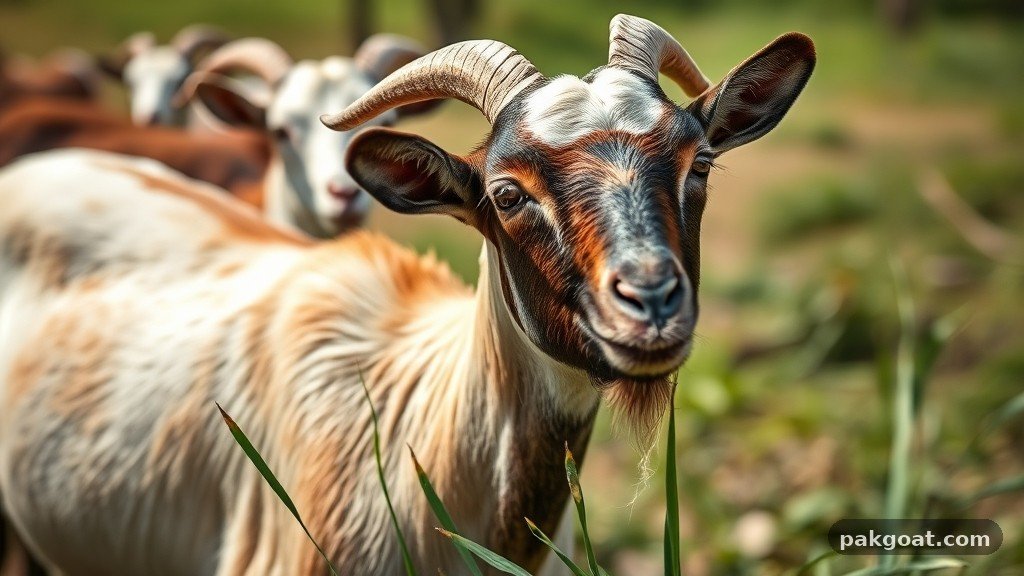
Goat farming is an increasingly popular agricultural venture for those seeking diverse revenue streams from hardy livestock. Whether you are looking to produce artisanal cheese, high-quality meat, or sustainable fiber like mohair, goats offer a unique flexibility that larger livestock often lack. This practice requires a blend of animal husbandry skills, financial planning, and land management.
By understanding the specific needs of different breeds and the market demand for goat products, you can build a resilient business. This article explores the essential components of starting and maintaining a successful operation, from initial land selection to advanced health protocols and market positioning for long-term growth.
Profitability and Economic Realities of Goat Farming
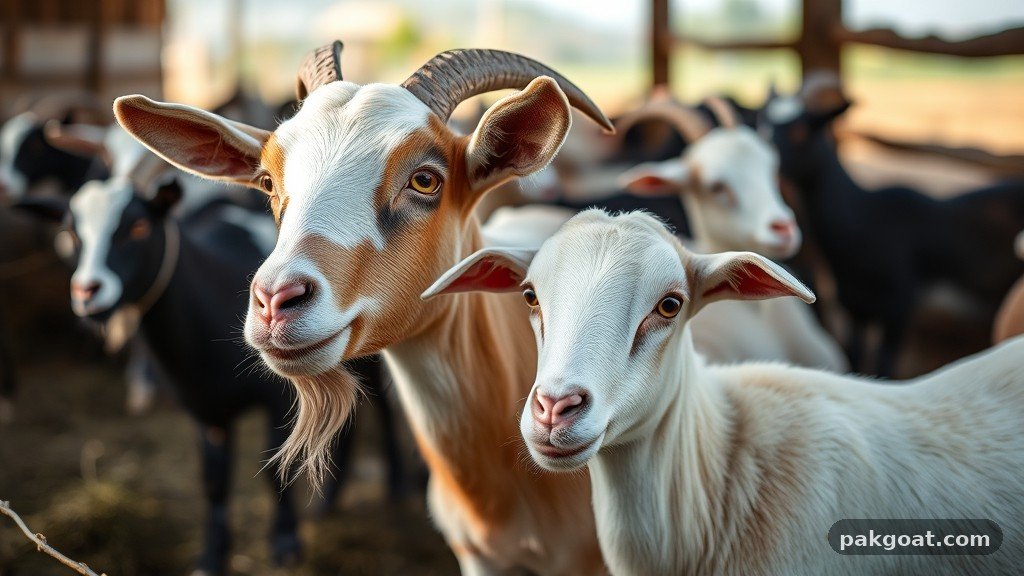
Determining the profitability of a goat enterprise requires a close look at initial capital versus recurring operational costs. Most commercial goat operations are profitable within three to five years if managed with strict efficiency.
For meat production, a single Boer goat can often net between $100 and $250 in profit depending on the local market and weight at slaughter. Dairy operations typically see higher revenue per animal but face significantly higher labor and infrastructure costs due to milking equipment and sanitation requirements.
For those starting out, land requirements are generally modest compared to cattle. You can typically raise 10 to 15 goats per acre on high-quality pasture. If the land is primarily brush or wooded, that number may drop to 6 or 8 animals per acre to prevent overgrazing.
Beginners are usually advised to start with a small herd of 3 to 5 goats to learn the basics of behavior and health before scaling up. This small start limits financial risk while allowing the farmer to understand the specific nuances of their local climate and forage availability.
Meat goats reach market weight relatively quickly, often taking 6 to 9 months to hit the ideal 60 to 80-pound range. This fast turnover allows for better cash flow compared to beef cattle.
However, the market for goat meat is often seasonal, peaking during specific cultural and religious holidays. Planning your breeding cycle to ensure kids are ready for these peak demand periods is essential for maximizing your return on investment.
| Category | Meat (Boer) | Dairy (Saanen) | Fiber (Angora) |
|---|---|---|---|
| Initial Animal Cost | $250 – $500 | $300 – $600 | $200 – $450 |
| Primary Revenue | Live weight sales | Milk and Cheese | Raw or processed mohair |
| Maintenance Needs | Low to Moderate | High (Daily milking) | Moderate (Shearing) |
| Market Cycle | 6-9 months | Ongoing/Lactation | Biannual shearing |
Selecting the Right Breeds for Your Climate
The success of your goat farming venture depends heavily on matching the breed to your specific environment and business goals. For meat production, the Boer goat is the industry standard due to its rapid growth and heavy muscling.
Originally from South Africa, they are hardy but may struggle in extremely humid climates where internal parasites thrive. If you live in a wet region, the Kiko goat from New Zealand is often a better choice because of its natural resistance to foot rot and parasites.
Dairy farmers often choose between several high-performing breeds based on milk volume or butterfat content. Saanens are the “Holsteins” of the goat world, producing the highest volume of milk, often exceeding 2,000 pounds per lactation. If you are focused on cheese production, Nubians are preferred because their milk has a higher butterfat content. This higher fat content results in a creamier product and a better yield when making chèvre or hard cheeses.
Fiber goats require a different management style altogether. Angora goats produce mohair, which is a silk-like fiber that commands a premium price in the textile industry. Unlike meat or dairy goats, Angoras are quite delicate and require protection from cold rains immediately after shearing. Cashmere goats are actually not a specific breed but a type of goat that produces a fine down undercoat. This down is harvested by combing rather than shearing, making it a labor-intensive but high-value product.
Dual-purpose breeds can be a middle ground for homesteaders or small-scale farmers. The Nubian is often considered dual-purpose because of its large frame, which can provide a decent meat carcass once the animal is retired from the milking string.
Similarly, some Spanish goat lines are being bred for both hardiness and improved meat yields. Selecting a breed that thrives in your local humidity and temperature range will drastically reduce your veterinary expenses over time.
Land Management and Essential Infrastructure
Goats are browsers rather than grazers, meaning they prefer eating woody plants, weeds, and shrubs over grass. This makes them excellent for land clearing, but it also means they require specific fencing to keep them contained.
A 48-inch woven wire fence with a “no-climb” pattern is the gold standard for goat containment. Goats have a natural tendency to put their heads through gaps, and if the openings are too large, they can become trapped and vulnerable to predators.
Shelter is another non-negotiable requirement for a healthy herd. While goats are hardy, they absolutely hate being wet and are susceptible to pneumonia if they cannot find a dry, draft-free place to sleep. Your barn or three-sided shed should provide at least 15 to 20 square feet of floor space per adult goat.
This prevents overcrowding, which is a primary driver of stress and disease transmission within the herd. Ensure the floor is well-drained and topped with clean bedding like straw or wood shavings.
Rotational grazing is a critical strategy for maintaining pasture health and controlling parasites. By dividing your land into smaller paddocks and moving the goats every 3 to 5 days, you allow the forage to recover.
This movement also breaks the life cycle of the barber pole worm, which is the most dangerous parasite for goats. If goats are left on the same patch of dirt for too long, the parasite load in the soil increases exponentially, leading to stunted growth or death in young kids.
Water access must be planned carefully across your entire property. A single lactating doe can drink up to 3 gallons of water per day in the heat of summer.
Water troughs should be easy to clean, as goats are notoriously finicky and will refuse to drink if the water is contaminated with algae or feces. Automatic waterers can save labor but must be checked daily to ensure they haven’t frozen or become clogged with debris.
Nutrition and Feeding Strategies for Growth
A goat’s diet is the foundation of its productivity, whether that is producing milk or gaining weight for market. The bulk of their diet should come from high-quality forage, but supplemental feeding is often necessary.
During the winter or in times of drought, alfalfa hay is a primary supplement because it provides the 16-20% crude protein required for lactating does. Grass hay is acceptable for maintenance, but it usually lacks the energy needed for rapid growth in kids.
Grain should be used sparingly and strategically within a goat farming operation. Overfeeding grain can lead to urinary calculi in wethers (castrated males) or rumen acidosis in the entire herd. Typically, a high-protein grain mix is only given to milking does or kids being finished for meat.
A common rule of thumb is to provide 1 pound of grain for every 3 pounds of milk produced. This ensures the doe maintains her body condition while meeting the heavy energy demands of lactation.
Minerals are perhaps the most overlooked aspect of goat nutrition. Goats have a high requirement for copper, which distinguishes them from sheep. In fact, sheep minerals are often toxic to goats because they lack the necessary copper levels, while goat minerals can be fatal to sheep.
You should provide a loose mineral mix specifically formulated for goats in a weather-protected feeder. This helps prevent “fishtail,” a condition where the end of the tail loses hair due to mineral deficiency.
Cleanliness in feeding is just as important as the nutritional content itself. Goats will naturally refuse to eat hay that has fallen on the ground and been stepped on. Using V-shaped hay feeders or “keyhole” feeders reduces waste and prevents goats from jumping into the hay.
This also keeps the feed away from ground-level parasites and prevents the spread of coccidiosis among kids. Consistent feeding times and high-quality ingredients will result in a much more predictable growth rate across the herd.
Health Management and Disease Prevention
Maintaining a healthy herd is cheaper than treating a sick one. The most significant threat to a goat farming business is internal parasites, specifically the Haemonchus contortus or barber pole worm. This parasite sucks blood from the goat’s abomasum, leading to anemia and rapid death.
Farmers use the FAMACHA scoring system to check the color of the goat’s lower eyelid. A pale or white eyelid indicates severe anemia and the immediate need for deworming.
Vaccinations are a core part of any preventative health program. The CD&T vaccine is essential for protecting against Clostridium perfringens types C and D, as well as tetanus. This is often called the “overeating disease” vaccine because it prevents the toxins produced when a goat consumes too much rich feed.
Does should be vaccinated about 30 days before kidding so they can pass the immunity to their offspring through the colostrum. Kids then receive their own series of shots starting at 6 to 8 weeks of age.
Hoof care is another routine task that cannot be ignored. Depending on your soil type, goats usually need their hooves trimmed every 6 to 10 weeks. If the hooves grow too long, they can trap moisture and bacteria, leading to foot rot or scald.
This is a contagious condition that can quickly spread through the herd if not managed. Providing rocky terrain or concrete pads around waterers can help naturally wear down the hooves, but manual trimming with specialized shears is still usually required.
Bio-security is the final pillar of health management. When bringing new goats onto your farm, they should be quarantined for at least 30 days. This period allows you to observe them for signs of contagious diseases like Caseous Lymphadenitis (CL) or Caprine Arthritis Encephalitis (CAE).
CL causes abscesses in the lymph nodes, while CAE is a viral disease that leads to chronic joint inflammation. Testing your herd annually for these conditions is a hallmark of a professional and responsible breeding program.
Breeding and Herd Management Cycles
The breeding cycle dictates the rhythm of life on a goat farm. Most goat breeds are seasonal breeders, meaning they only come into heat as the days get shorter in the fall. This results in a “kidding season” in the spring when forage is most abundant.
However, some breeds like the Boer and the Nubian can be bred out of season. This allows for year-round production, which is a major advantage if you are trying to maintain a consistent milk supply or meat market.
A doe’s gestation period is approximately 150 days, or roughly five months. During the final month of pregnancy, the doe’s nutritional needs skyrocket as the kids undergo rapid development.
It is common for goats to have twins or even triplets, which puts a significant physical strain on the mother. Proper “dry period” management—giving the doe a break from milking before she kids again—is vital for her long-term health and the vigor of the new kids.
Managing bucks requires separate facilities and a different approach to handling. Bucks can be aggressive during the breeding season (rut) and develop a very strong, musky odor that can “taint” the milk of dairy goats. It is best to house bucks in a separate, reinforced paddock away from the milking parlor.
Using hand mating, where the doe is brought to the buck only when she is in heat, allows for precise record-keeping of due dates. This is much more efficient than “pasture breeding,” where the buck stays with the herd and dates are guessed.
Kidding itself is usually a natural process, but a prepared farmer stays close by. Having a “kidding kit” ready with towels, iodine for the navel, and a suction bulb for clearing airways can save lives during difficult births.
Once the kids are born, ensuring they receive colostrum within the first two hours is the single most important factor in their survival. Colostrum contains the antibodies necessary to build the kid’s immune system before it can produce its own.
Marketing and Diverse Revenue Streams
A successful goat farming business relies on identifying and capturing specific market niches. Meat goats are often sold at livestock auctions, but direct-to-consumer sales usually offer much higher margins.
By selling whole or half goats directly to families, you bypass the middleman and can charge a premium for “pasture-raised” or “organic” labeling. Building a relationship with local butchers who are certified for custom processing is a key step in this marketing strategy.
Dairy products offer another layer of income, though they come with more regulatory hurdles. In many regions, selling raw milk is restricted, so farmers often pivot to value-added products. Goat milk soap and lotions are popular at farmers markets and can be sold online with fewer restrictions than food products. If you have the infrastructure, artisanal cheese making can turn a few gallons of milk into a high-value product that sells for $20 to $30 per pound.
For more information on the standards for livestock marketing and health, you can visit the USDA APHIS Goat Health resource page. This site provides guidance on the National Scrapie Eradication Program, which is a mandatory part of moving goats across state lines. Staying compliant with these federal regulations is essential for any farmer looking to sell breeding stock or participate in national shows.
Additional revenue can be generated through “goat rentals” for brush clearing. Cities and private landowners are increasingly hiring goat herds to clear invasive species like blackberry bushes and English ivy without using herbicides.
This “eco-grazing” service can provide a steady income during the summer months while also feeding your herd for free. It requires portable electric fencing and a way to transport the goats, but the demand for chemical-free land management is growing rapidly.
- Farmers markets and local food cooperatives.
- Ethnic holiday markets (Eid al-Adha, Easter, Christmas).
- Breeding stock sales for other farmers.
- Agritourism, including “goat yoga” or farm tours.
- Fiber sales to hand-spinners and boutique textile mills.
Regulatory Compliance and Financial Record Keeping
Running a professional goat farming operation means treating it like a business from day one. This starts with proper identification of every animal in your herd.
Most countries require Scrapie tags or official microchips for goats, which allows for the tracking of animals in the event of a disease outbreak. Keeping a detailed log of these ID numbers, along with birth dates and parentage, is the only way to make informed decisions about which animals to keep and which to cull.
Financial records are just as important as animal records. You should track every expense, including feed, bedding, veterinary bills, and fencing repairs. Many farmers use specialized software, but a simple spreadsheet can work if updated weekly.
Knowing your cost of gain—how much it costs you in feed to put one pound of weight on a meat goat—is the difference between a hobby and a profitable business. If your feed costs exceed the market price of the meat, you need to adjust your grazing strategy.
Insurance and zoning laws are the final pieces of the regulatory puzzle. Before buying your first goat, check with your local zoning board to ensure livestock are permitted on your property.
You may also need a general liability insurance policy, especially if you plan to have customers visit the farm for direct sales or agritourism. These protections shield you from the financial fallout of accidents or animal-related injuries that could otherwise end your business.
Environmental regulations may also apply, particularly regarding manure management. While goat manure is an excellent fertilizer, it must be stored and spread in a way that doesn’t contaminate local waterways.
Developing a Nutrient Management Plan can help you use the manure to improve your own pastures, reducing your need for commercial fertilizers. This closed-loop system not only saves money but also improves the long-term sustainability of your land.
Frequently Asked Questions
Is goat farming profitable for beginners?
Yes, goat farming can be profitable for beginners if they start small and control their overhead costs. The key is to identify a clear market, such as meat for local ethnic communities or value-added dairy products, before investing in a large herd. Most beginners find that meat goats are the easiest entry point due to lower daily labor requirements.
How much land do I need for 100 goats?
For a herd of 100 goats, you will typically need between 7 and 15 acres of high-quality pasture. If the land is poor or mostly wooded, you may need up to 20 or 25 acres to ensure the goats have enough to eat without destroying the vegetation. Supplemental hay can reduce the land requirement, but it increases your daily operating costs.
What is the best breed for meat production?
The Boer goat is widely considered the best breed for meat due to its fast growth rate and high carcass yield. However, Kiko goats are gaining popularity in humid regions because they require less veterinary intervention and are more resistant to parasites. Many commercial meat producers use a Boer-Kiko cross to get the best of both worlds.
How often do goats need to be dewormed?
There is no set schedule for deworming; instead, it should be done based on need to prevent parasite resistance. Farmers should use the FAMACHA system to check for anemia and only treat goats that show signs of a high parasite load. Over-deworming leads to “super-worms” that are resistant to all available medications, which can be devastating for a herd.
Do goats need a companion?
Goats are extremely social herd animals and should never be kept alone. A solitary goat will become stressed, may stop eating, and will likely spend its time trying to escape to find company. You should always have at least two goats, though a larger herd is generally more stable and easier to manage.
Conclusion
Success in goat farming is a result of careful planning, consistent daily care, and a willingness to adapt to the needs of the animals. While the initial learning curve regarding fencing and parasite management can be steep, the rewards of a productive herd are significant. By focusing on high-quality genetics and sustainable land use, you can create a business that provides both financial returns and a deep sense of connection to the land.
Whether you are aiming for a small homestead herd or a large-scale commercial operation, the versatility of goats makes them one of the most rewarding livestock choices available. Start with a clear plan, prioritize the health of your animals, and your venture into goat farming will have a strong foundation for the years to come.
