

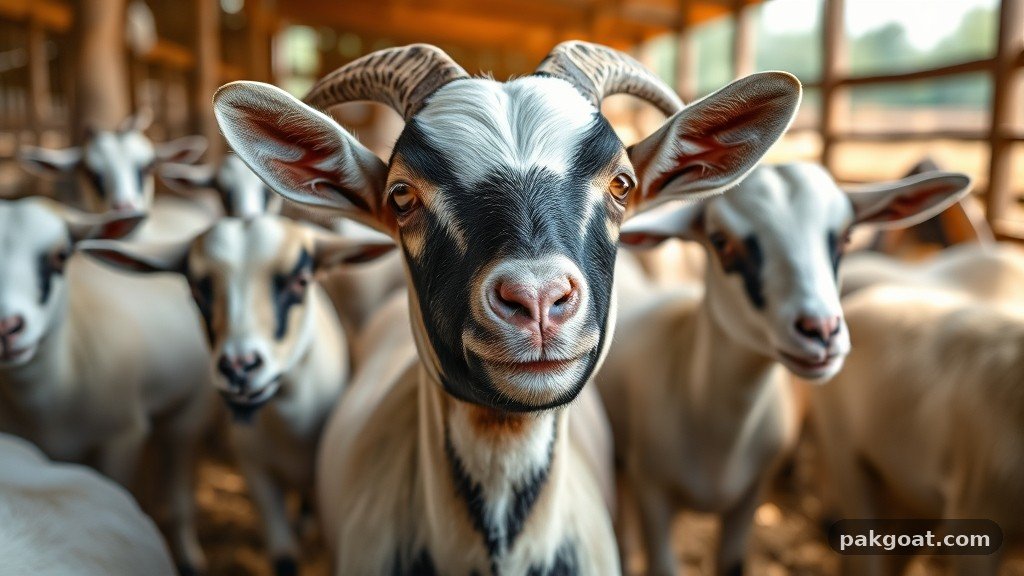
The global demand for goat products is rising as more consumers seek leaner proteins and alternative dairy options. Launching a goat farming business offers a versatile path into agriculture because these animals are smaller, easier to handle, and more efficient converters of forage than cattle. Success in this industry requires a firm grasp of animal husbandry, market timing, and land management.
This article examines the financial realities, operational requirements, and strategic planning necessary to build a sustainable enterprise. You will learn how to select breeds, manage health, and identify the most lucrative revenue streams for your specific region.
Profitability and Financial Expectations in Goat Farming
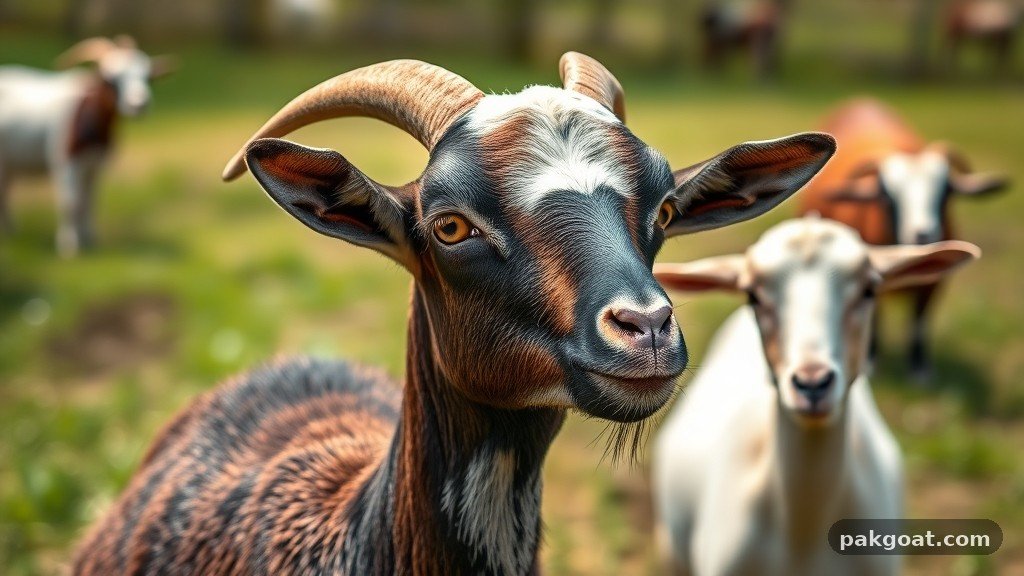
A common question for new entrepreneurs is whether a goat farming business is truly profitable in the current market. The answer is yes, provided the operation reaches a sufficient scale to offset fixed costs like fencing and housing.
Most commercial meat goat producers see a profit margin of $100 to $300 per head annually, depending on their ability to minimize supplemental feed costs. Profitability hinges on the “kidding rate,” which is the number of offspring produced per doe each year.
High-performing operations aim for a 200% kidding rate, meaning each doe produces two kids annually. If a farmer manages a herd of 50 does, they could potentially sell 100 kids per year.
At a market price of $2.50 to $4.00 per pound live weight, a 60-pound kid generates between $150 and $240. After subtracting veterinary care, mineral supplements, and occasional hay, the net income remains attractive for small-scale landowners.
Dairy operations often see higher gross revenue per animal but face significantly higher overhead. A single high-quality dairy goat can produce 2,000 to 3,000 pounds of milk per lactation cycle.
If sold as raw milk or processed into artisanal cheese, the value-added potential is immense. However, the costs of milking parlors, refrigeration, and strict health inspections can eat into those margins quickly.
Land Requirements and Stocking Densities
Determining how much land you need is a critical first step in your business planning. Stocking density depends heavily on the quality of your pasture and the local climate.
In regions with lush, year-round forage, you can typically maintain 6 to 8 goats per acre. In more arid environments, you might need 2 to 5 acres just to support a single animal without overgrazing the land.
Goats are browsers, not grazers, which means they prefer eating brush, weeds, and tree leaves over traditional grass. This unique diet allows them to thrive on land that would be unsuitable for sheep or cattle.
If you are starting a goat farming business on overgrown land, your initial stocking density can be higher because there is an abundance of “trash” plants to consume. Once the brush is cleared, you must reduce the herd size or rotate them frequently to prevent parasites.
Rotational grazing is the gold standard for maintaining land health and reducing worm loads. By dividing your acreage into smaller paddocks, you force the goats to eat everything in one area before moving them to fresh ground.
This gives the previously grazed plants time to recover and breaks the life cycle of internal parasites. Most experts recommend moving the herd every 3 to 5 days for maximum efficiency.
Infrastructure and Essential Equipment
The most significant upfront investment in a goat farming business is often the fencing. Goats are notorious escape artists and require high-quality perimeter barriers to keep them in and predators out.
Woven wire fencing, often called “no-climb” fence, is the most reliable option for these animals. It should be at least 4 feet high and reinforced with a strand of electric wire at the top and bottom.
Shelter requirements are relatively modest compared to other livestock. Goats hate being wet and are susceptible to pneumonia if they cannot find a dry place to sleep.
A simple three-sided shed that blocks the prevailing wind is usually sufficient for meat goats. For dairy operations, you will need a fully enclosed, sterile environment for milking to meet food safety regulations.
You must also account for handling equipment, which makes medical treatments and sorting much safer. A basic “chute” or head gate allows you to restrain an animal for hoof trimming, vaccinations, or ear tagging. Without these tools, managing a herd of 50 or more animals becomes physically exhausting and increases the risk of injury to both the farmer and the livestock.
Selecting the Right Breeds for Your Market
Your choice of breed will dictate every other aspect of your goat farming business. If your primary goal is meat production, the Boer goat is the industry standard due to its rapid growth and heavy muscling.
Originally from South Africa, these goats have a distinctive white body and red head. They reach market weight faster than almost any other breed, allowing for quicker turnover of capital.
For those interested in dairy, Saanen, Alpine, and Nubian goats are the most popular choices. Saanens are known as the “Holsteins” of the goat world, producing the highest volume of milk.
Nubians have a lower volume but significantly higher butterfat content, making their milk ideal for cheese and soap production. If you want a dual-purpose animal, the Kinder goat is a crossbreed that offers decent milk production and a meaty carcass.
Fiber production is a niche but profitable subset of the industry. Angora goats produce mohair, a high-value fiber used in luxury textiles.
Cashmere goats produce the soft undercoat known as cashmere, though harvesting this requires more labor-intensive combing. Each of these breeds has specific environmental needs; for instance, Angoras are much more sensitive to cold and rain than the hardy Spanish or Kiko meat breeds.
Nutrition and Feed Management Strategies
Feeding represents the largest ongoing expense in any livestock operation. While goats can survive on brush, they need high-quality nutrition to thrive and reproduce.
A breeding doe’s nutritional needs change drastically throughout the year, peaking during the last month of pregnancy and during lactation. During these times, you must supplement their forage with high-protein grain or alfalfa hay.
Minerals are a non-negotiable part of a goat farming business. Goats have a high requirement for copper, which is often toxic to sheep.
You should provide a loose mineral mix specifically formulated for goats rather than a generic “sheep and goat” block. Copper deficiency leads to a rough coat, poor immunity, and reproductive failure, which can devastate your bottom line.
Water consumption is another critical factor that many beginners overlook. A lactating doe can drink up to 4 gallons of water a day in hot weather.
Clean, cool water must be available at all times to prevent dehydration and urinary calculi in bucks. Automated waterers are a wise investment as they reduce labor and ensure a constant supply of fresh water.
Health Management and Disease Prevention
A healthy herd is the foundation of a profitable goat farming business. Goats are particularly susceptible to internal parasites, specifically the Barber’s Pole worm.
Over-reliance on chemical dewormers has led to widespread resistance, so modern farmers use the FAMACHA scoring system. This involves checking the color of the goat’s lower eyelid to determine the level of anemia caused by worms.
Vaccinations are the second pillar of health management. Most producers use a “CD&T” vaccine, which protects against overeating disease (Enterotoxemia) and Tetanus.
This should be administered annually to adult goats and to kids at 8 and 12 weeks of age. Keeping a closed herd—meaning you don’t bring in new animals frequently—is the best way to prevent the introduction of chronic diseases like CAE or Johne’s.
Hoof trimming is a labor-intensive but necessary chore. In the wild, goats travel over rocky terrain that naturally wears down their hooves.
On soft pasture, their hooves grow long and can trap moisture, leading to foot rot. You will likely need to trim the hooves of every animal in your herd every 2 to 4 months to maintain mobility.
Startup Costs and Financial Planning
Launching a goat farming business requires a clear understanding of initial capital requirements. While you can start small, there are certain fixed costs that don’t scale down. The following table provides an estimate for a small starter herd of 10 does and 1 buck on a leased or owned 5-acre plot.
| Expense Category | Estimated Cost (USD) | Frequency |
|---|---|---|
| Breeding Stock (Registered) | $3,500 – $5,500 | One-time initial |
| Fencing (5 Acres Woven Wire) | $4,000 – $7,000 | One-time initial |
| Shelter and Feeders | $1,500 – $3,000 | One-time initial |
| Annual Feed & Minerals | $1,200 – $2,000 | Recurring yearly |
| Veterinary & Medications | $300 – $600 | Recurring yearly |
These figures assume you are doing much of the labor yourself. If you need to hire contractors for fencing or barn construction, your initial costs will double.
Many successful farmers start with “commercial” (non-registered) grade goats to lower their entry price. Once they understand the mechanics of the business, they slowly transition to higher-value registered stock.
It is helpful to consult resources like the United States Department of Agriculture for information on farm loans and grants. The USDA offers specific programs for beginning farmers that can help cover the costs of fencing or conservation practices. Having a written business plan is usually a requirement for these financial products.
Marketing and Revenue Streams
Diversifying your income is the best way to ensure the long-term viability of your goat farming business. Meat sales are the most straightforward path, but they are often seasonal.
Demand for goat meat peaks during specific cultural and religious holidays, such as Easter, Eid al-Adha, and Christmas. Timing your kidding season so that kids reach market weight just before these holidays can result in significantly higher prices.
Another growing revenue stream is “goat rental” for vegetation management. Municipalities and private landowners are increasingly hiring goat herds to clear invasive species and reduce wildfire fuel.
This service can generate $500 to $1,000 per acre in revenue. Essentially, you are being paid to feed your animals, which drastically improves your profit margins.
Value-added products offer the highest potential for profit but require more marketing effort. Goat milk soap and lotions have a dedicated following due to their skin-friendly properties.
If you have the required permits, selling “herd shares” for raw milk or producing artisanal cheeses can turn a small herd into a full-time income. Breeding stock sales also provide a boost; a high-quality registered buck can sell for upwards of $1,000.
- Meat Sales: Direct-to-consumer or through livestock auctions.
- Dairy Products: Milk, cheese, yogurt, and butter.
- Skincare: Handcrafted soaps and lotions.
- Breeding Stock: Selling high-quality genetics to other farmers.
- Brush Clearing: Renting the herd for land management.
Operational Logistics and Daily Management
Running a goat farming business is a 365-day commitment. Even if you have an automated watering system, you must check on the animals daily to look for signs of illness or injury.
A goat that is standing off by itself or not eating is often in the early stages of a serious health crisis. Early intervention is the only way to prevent costly losses.
Kidding season is the most intense period of the year. While many goats can give birth without assistance, complications like “malpresentation” (the kid being in the wrong position) require immediate human intervention.
You should have a “kidding kit” ready, containing towels, iodine for navels, and colostrum supplement. Successful farmers often use cameras in the kidding pens to monitor the does from their homes.
Record keeping is what separates a hobby from a professional business. You need to track the birth dates, weights, and medical histories of every animal in the herd.
This data allows you to identify your most productive does and cull the underperformers. Modern software apps designed for livestock management can make this process much easier than traditional paper ledgers.
Regulatory Compliance and Certifications
Before you sell your first gallon of milk or pound of meat, you must understand the legal landscape. In the United States, all goats moving across state lines or being sold at public markets must have official Scrapie identification tags.
This is part of a national program to eradicate Scrapie, a degenerative disease. Your local USDA APHIS office can provide these tags, often for free or a nominal fee.
If you plan to sell meat directly to consumers, it must be processed at a USDA-inspected facility. This can be a bottleneck for many farmers, as these facilities often have long waiting lists.
You should book your processing dates months in advance, sometimes even before the kids are born. Selling “on the farm” slaughter is illegal in many jurisdictions and can result in heavy fines.
Organic certification is another option for those looking to capture a premium market. This requires that your land be free of prohibited chemicals for three years and that your animals receive organic feed.
While organic goat meat and milk fetch higher prices, the cost of organic grain can be double that of conventional feed. You must run the numbers carefully to ensure the certification pays for itself.
Frequently Asked Questions
Is owning a goat farm profitable?
Yes, goat farming can be profitable if managed with a focus on low feed costs and high kidding rates. Most commercial producers earn between $100 and $300 per doe annually. Success depends on accessing high-value markets and maintaining herd health to prevent losses.
How many acres do you need for 100 goats?
For a herd of 100 goats, you generally need between 15 and 30 acres of quality pasture. This allows for rotational grazing, which is essential for parasite management. If the land is primarily brush or woods, you may need more acreage to provide enough nutrition.
What is the best breed for meat production?
The Boer goat is widely considered the best breed for meat production due to its fast growth rate and high carcass yield. Kiko goats are also popular because they are extremely hardy and require less medical intervention. Many farmers use a Boer-Kiko cross to get the best of both worlds.
Do goats need a lot of supplemental feed?
Goats can get most of their nutrition from high-quality pasture or brush during the growing season. However, breeding does and growing kids usually require supplemental hay or grain during the winter or late pregnancy. Providing a consistent source of loose minerals is also vital for their health.
What are the biggest challenges in this business?
The primary challenges include internal parasite management, predator control, and the cost of secure fencing. Goats are more sensitive to worms than cattle, and they are frequent targets for coyotes or stray dogs. Establishing a reliable market for your products before you start is also a common hurdle.
Summary of the Goat Farming Business
Building a goat farming business is a rewarding venture that combines animal husbandry with strategic land management. By focusing on high-quality genetics and rigorous health protocols, you can create a productive herd that serves multiple markets. Whether you choose to focus on meat, dairy, or fiber, the key is to start with a manageable number of animals and scale as your infrastructure improves.
Success in this field requires patience, especially during the kidding season, and a willingness to adapt to changing market demands. With the right planning and a commitment to animal welfare, your goat farming business can provide a steady income and a sustainable lifestyle for years to come.
