

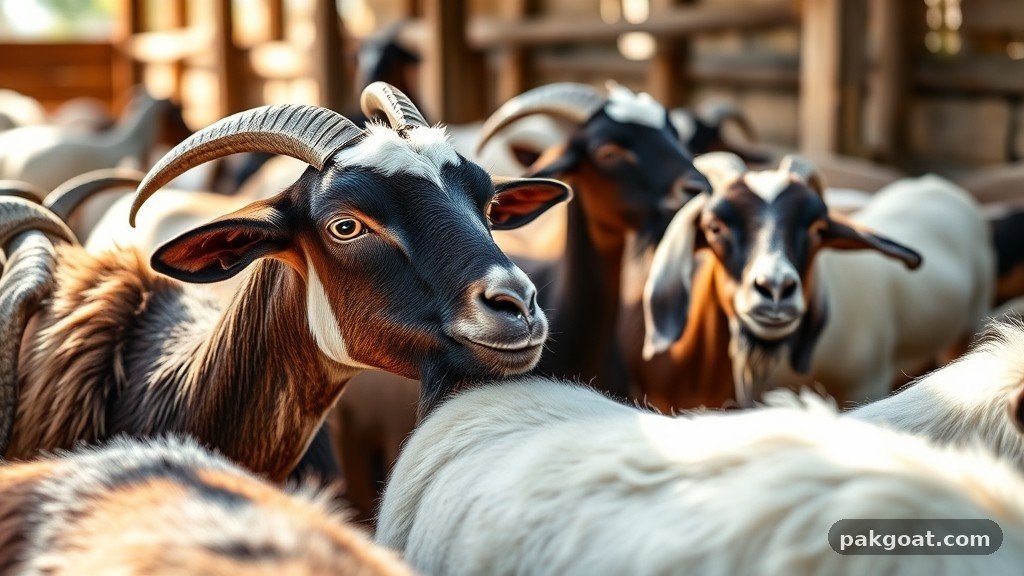
Goat farming is a versatile agricultural pursuit that offers sustainable income through milk, meat, fiber, and brush control services. Whether you have a small acreage or a large ranch, understanding the nuances of caprine management is essential for long-term success. This article explores the economic realities, biological requirements, and operational strategies needed to build a thriving goat enterprise.
You will gain insights into breed selection, nutritional needs, and market positioning to turn your interest into a profitable venture. By focusing on efficient husbandry practices, you can maximize the potential of your herd while maintaining high standards of animal welfare.
Economic Viability and Startup Requirements
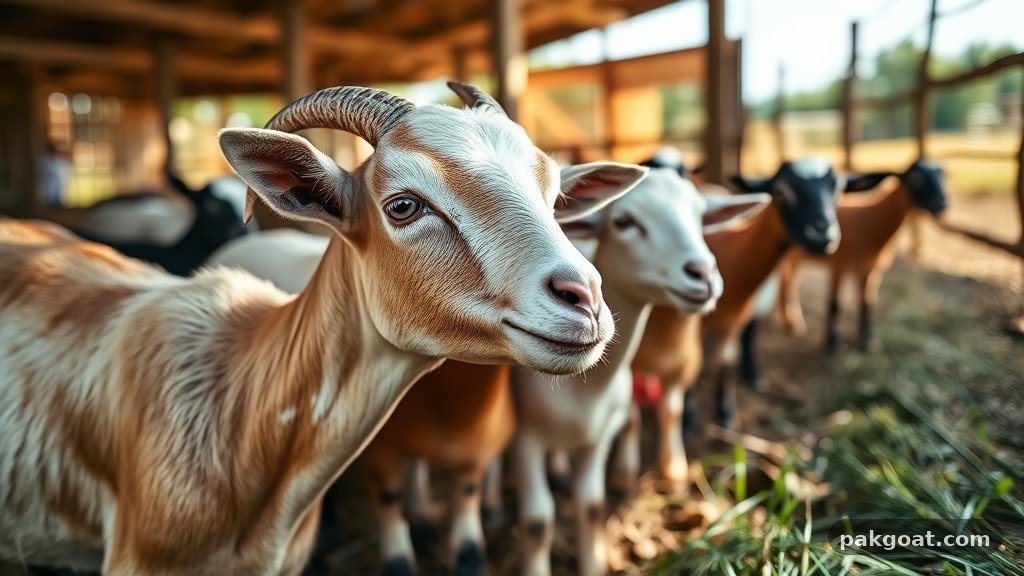
A well-managed goat farming operation is highly profitable when you control overhead costs and target specific market niches. On average, a meat goat can fetch between $250 and $450 at market depending on the season and weight. Dairy goats are also lucrative, with a single high-producing doe providing 6 to 8 pounds of milk daily over a 305-day lactation period.
If you are planning to raise a herd of 100 goats, you will generally need 10 to 30 acres of land. This range depends heavily on the quality of your forage and whether you utilize rotational grazing. For absolute beginners, starting with a small group of 3 to 5 does is the most practical way to learn the ropes without risking significant capital.
Startup costs vary, but you should budget for secure fencing, basic shelter, and initial veterinary supplies. A modest setup for five goats might cost $2,000 to $5,000, including the purchase price of the animals. High-quality breeding stock often carries a premium, but the investment pays off through better growth rates and milk production.
Profitability in this sector requires a keen eye on the “kidding percentage,” which is the number of kids born per doe. Aiming for a 150% to 200% kidding rate ensures you have enough offspring to sell while maintaining your core breeding herd. Diversifying your income by selling value-added products like goat cheese or handmade soaps can further stabilize your annual revenue.
Selecting the Right Breeds for Your Climate
Choosing the correct breed is the most critical decision you will make in goat farming. Your choice should align with your primary production goal, whether that is meat, dairy, or fiber. For meat production, the Boer goat is the industry standard due to its rapid growth and heavy muscling.
If milk is your focus, breeds like the Saanen or Alpine are known for high volume. The Nubian is a favorite for those making cheese because its milk has a higher butterfat content, often exceeding 4.5%. For those in harsher environments, the Kiko breed is prized for its extreme hardiness and resistance to internal parasites.
| Breed Name | Primary Purpose | Average Adult Weight | Key Characteristic |
|---|---|---|---|
| Boer | Meat | 200–340 lbs | High growth rate |
| Nubian | Dairy | 135+ lbs | High butterfat milk |
| Kiko | Meat | 150–250 lbs | Parasite resistance |
| Saanen | Dairy | 145+ lbs | Maximum milk volume |
| Angora | Fiber | 75–140 lbs | Mohair production |
Climate also plays a role in your selection process. Thick-coated breeds may struggle in humid, tropical regions, while short-haired breeds need extra protection in freezing northern winters. Researching which breeds thrive in your specific county or state will save you from high mortality rates.
Don’t overlook the importance of temperament, especially for dairy operations where you handle animals daily. Some breeds are naturally more docile and easier to train for the milking stand. Investing in registered stock provides a paper trail of genetics, which increases the resale value of any kids you produce.
Essential Infrastructure and Fencing Solutions
Goats are notorious for their ability to escape, making high-quality fencing a non-negotiable requirement. Woven wire fencing with 4×4 inch openings is generally considered the safest and most effective option. This prevents goats from sticking their heads through the fence and getting stuck, which is a common hazard with larger mesh.
Electric fencing can be used as an interior barrier for rotational grazing. A three-strand or five-strand electric wire setup keeps the herd contained while allowing you to move them to fresh pasture easily. This method helps manage land health and reduces the buildup of soil-borne parasites.
Shelter does not need to be elaborate, but it must be dry and draft-free. Goats dislike rain and will seek cover at the first sign of a storm. A simple three-sided shed facing away from the prevailing winds is often sufficient for meat herds.
Dairy goats require more specialized facilities, including a clean, dedicated area for milking. This space must be easy to sanitize to meet local health department regulations. Proper drainage in and around your shelters prevents the ground from becoming a muddy breeding ground for hoof rot.
- Woven wire perimeter fencing (at least 48 inches high)
- Mineral feeders protected from the rain
- Elevated hay racks to prevent waste
- Automatic waterers or easy-to-clean troughs
- Sturdy head gates for medical examinations
Nutritional Requirements and Forage Management
Goats are browsers rather than grazers, meaning they prefer to eat woody plants, weeds, and shrubs. This unique behavior makes them excellent for land clearing but requires a different approach to pasture management. They will often eat the “top down,” focusing on the most nutritious parts of a plant first.
A balanced diet for a goat consists of forage, concentrates, and minerals. While goats can survive on pasture alone during peak growing seasons, high-producing does and growing kids usually need supplemental grain. A standard meat goat ration contains about 14% to 16% protein to support muscle development.
Clean water is the most vital nutrient and is often the most overlooked. An adult goat will drink between two and three gallons of water per day. During peak lactation, a dairy doe may require significantly more to maintain her milk supply.
Minerals must be provided “free choice,” meaning the goats can access them whenever they want. Look for a mineral mix specifically formulated for goats, as they have higher copper requirements than sheep. Copper deficiency can lead to a bleached coat, poor growth, and a weakened immune system.
Rotational grazing is a powerful tool for managing nutrition and soil health. By moving the herd to a new paddock every 3 to 5 days, you allow the forage to regrow and break the life cycle of many internal parasites. This practice is supported by agencies like the Natural Resources Conservation Service to promote sustainable land use.
Health Management and Disease Prevention
Maintaining a healthy herd is cheaper than treating a sick one. The most significant health challenge in goat farming is the Barber Pole worm (Haemonchus contortus). This internal parasite feeds on the goat’s blood, causing anemia and, if left untreated, death.
Producers use the FAMACHA scoring system to check the color of the goat’s lower eyelid. A pale pink or white color indicates severe anemia and the need for immediate deworming. This targeted approach prevents parasites from developing resistance to common medications.
Vaccinations are a core part of any preventative health program. The CD&T vaccine protects goats against overeating disease (Enterotoxemia) and tetanus. Kids should receive their first dose at 6 to 8 weeks of age, followed by a booster three to four weeks later.
Hoof care is another routine task that cannot be ignored. Depending on your soil type, goats may need their hooves trimmed every 6 to 12 weeks. Neglected hooves can lead to permanent lameness and make the animal more susceptible to foot rot infections.
Biosecurity is the practice of keeping diseases off your farm in the first place. Always quarantine new arrivals for at least 30 days before introducing them to the main herd. Testing for major diseases like CAE (Caprine Arthritis Encephalitis) and Johne’s disease is essential for maintaining a long-term breeding program.
Breeding Cycles and Kidding Procedures
Most goat breeds are seasonal breeders, meaning they go into heat as the days get shorter in the fall. The gestation period for a goat is approximately 150 days, or about five months. This timing allows for kids to be born in the spring when fresh forage is most abundant.
A doe’s estrus cycle occurs every 18 to 21 days during the breeding season. You will notice signs like flagging (tail wagging), increased vocalization, and a decrease in milk production. Introducing a buck to the herd for two cycles ensures that most does are successfully bred.
Kidding is an exciting but stressful time for any producer. Most goats give birth to twins or triplets, and they usually do so without assistance. However, you should be prepared to intervene if a kid is malpositioned or if the mother is too exhausted to continue.
A kidding kit should be kept on hand during the expected delivery window. This kit should include iodine for dipping umbilical cords, clean towels, and colostrum replacer. The first milk, or colostrum, is vital because it provides the kids with the antibodies they need to survive their first weeks of life.
Weaning typically occurs when the kids are 60 to 90 days old. By this time, their rumens are fully developed, and they can thrive on a diet of forage and grain. Separating the kids from their mothers helps the does recover their body condition before the next breeding season begins.
Market Opportunities and Revenue Streams
The demand for goat products is growing steadily in many parts of the world. Meat goats are often sold at livestock auctions, but direct-to-consumer sales usually offer higher profit margins. Many ethnic communities have a strong preference for goat meat, especially during holiday seasons.
Dairy operations can sell raw milk (where legal), pasteurized milk, or processed goods. Goat cheese (chevre) is a gourmet product that commands a high price at farmers’ markets and specialty grocery stores. Some farms also find success selling goat milk soap and lotions, which have a long shelf life and are easy to ship.
Agritourism is an emerging revenue stream for small-scale goat farming. “Goat yoga” and farm tours allow the public to interact with the animals while providing the farmer with extra income. These events also serve as an excellent marketing tool for your other farm products.
Fiber production is a niche market but can be very rewarding. Mohair from Angora goats and cashmere from Cashmere goats are luxury fibers used in the textile industry. While the processing costs are high, the finished yarn or garments sell for a premium.
Vegetation management is another service you can offer to local landowners or municipalities. Goats are highly effective at clearing invasive species like kudzu, blackberry briars, and English ivy. You can charge a daily fee per head for the goats to “mow” areas that are too steep or overgrown for machinery.
Regulatory Compliance and Business Planning
Running a farm is a business, and it requires careful planning and record-keeping. You should start with a written business plan that outlines your goals, expected expenses, and marketing strategy. This document is essential if you plan to apply for agricultural loans or grants.
Most states require goats to have official identification, such as USDA Scrapie tags, before they leave their farm of origin. These tags allow officials to trace the movement of animals in the event of a disease outbreak. Keeping a detailed log of all tag numbers, birth dates, and medical treatments is a legal and practical necessity.
Insurance is another critical consideration for your operation. A standard farm insurance policy can protect you against liability claims and the loss of livestock due to certain natural disasters. If you plan to host the public for tours or classes, you will likely need an additional commercial liability rider.
Zoning laws vary significantly by location, especially if you are on the edge of an urban area. Before buying your first goat, verify that your property is zoned for livestock. Some areas have limits on the number of animals per acre or restrictions on the presence of intact male goats (bucks) due to their scent.
Financial record-keeping will help you determine which animals are truly profitable. Track the feed-to-weight-gain ratio for your meat kids and the daily milk production for your dairy does. Culling underperforming animals from your herd is the only way to ensure the long-term sustainability of your goat farming enterprise.
Frequently Asked Questions
Is a goat farm profitable?
Yes, goat farming can be very profitable if you manage your input costs and target high-demand markets. Profitability often hinges on maintaining a high kidding rate and minimizing feed costs through effective pasture management.
How much land is needed for 100 goats?
For a herd of 100 goats, you generally need between 10 and 30 acres. The exact amount depends on the quality of the vegetation and whether you provide supplemental hay and grain.
How long do goats take to grow to market size?
Meat goats typically reach a market weight of 60 to 80 pounds within six to nine months. Growth rates depend heavily on the breed’s genetics and the quality of their nutrition during the post-weaning phase.
How many goats should a beginner start with?
It is best for beginners to start with a small group of 3 to 5 goats. This allows you to learn about their behavior and health needs without being overwhelmed by a large herd.
Do goats need a lot of maintenance?
Goats require daily attention for feeding and watering, along with regular health checks. Tasks like hoof trimming and vaccinations occur every few months, but consistent daily observation is the key to preventing major problems.
Sustainable Practices for Future Growth
The long-term success of your goat farming venture depends on your ability to adapt to changing market conditions and environmental factors. By prioritizing the health of your soil and the welfare of your animals, you create a resilient system that can weather economic fluctuations.
Focusing on high-quality genetics and efficient production methods will allow you to scale your operation as your experience grows. Whether you are raising goats for meat, milk, or fiber, the personal and financial rewards of caprine husbandry are substantial.
As you move forward, continue to educate yourself through local agricultural extensions and producer associations. Networking with other farmers provides invaluable insights into regional challenges and emerging market trends.
With patience, dedication, and a commitment to best practices, your journey into goat farming can become a fulfilling and profitable lifestyle. Start small, stay observant, and let your passion for these intelligent animals guide your business decisions.
