

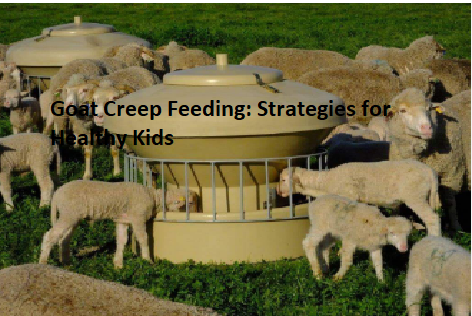
Goat creep feeding provides young kids with supplemental nutrition that their mothers cannot always supply in sufficient quantities during the peak lactation period. By creating a protected space that only small kids can access, producers effectively bridge the gap between nursing and full weaning. This practice is essential for maximizing growth rates and ensuring that kids reach their target market weights or replacement size sooner.
Understanding the timing, nutritional composition, and physical setup of these feeding stations is vital for any serious goat manager. This article explores how you can implement these systems effectively to improve the overall health and productivity of your herd.
The most common question producers ask is when to start the process, and the answer is usually between two and three weeks of age. At this stage, the rumen is beginning to develop, and the kids are naturally curious enough to start nibbling on solid food. Starting early allows the kids to become accustomed to the taste and texture of the grain mix before they are fully dependent on it.
By the time they reach six to eight weeks, they should be consuming a significant portion of their daily nutritional requirements through this supplemental source. This proactive approach prevents a growth slump during the transition period when milk production from the doe typically begins to taper off.
Nutritional Requirements for Growing Kids
Young goats have high protein and energy requirements to support their rapid skeletal and muscular development. A high-quality creep ration should ideally contain 16% to 18% crude protein to ensure adequate muscle growth. You should avoid rations designed for mature animals, as they often lack the necessary balance of minerals and energy for rapidly growing kids.
It is also important to ensure the feed is highly palatable, as you want the kids to consume it eagerly. Many producers use a mixture of cracked corn, oats, and a high-quality protein supplement like soybean meal to create an attractive, calorie-dense feed.
Managing Mineral Intake
While protein and energy are the primary drivers of growth, you cannot ignore the importance of micronutrients. Kids are particularly susceptible to deficiencies in copper, selenium, and zinc depending on your local soil conditions. Ensure that the creep feed is specifically formulated for goats, as sheep minerals often lack the copper levels necessary for proper goat health.
You should also provide free-choice access to a high-quality loose goat mineral at all times. Monitoring consumption rates is a great way to detect potential health issues before they become clinical problems in the herd.
Designing the Creep Area
The physical design of the creep area is just as important as the feed itself. You must construct a barrier that allows small kids to pass through while keeping larger does and bucks out entirely. A standard opening for a creep gate is roughly 8 to 10 inches wide and about 12 to 14 inches high.
If the opening is too wide, larger goats will squeeze through and consume the expensive creep feed, which is not only a waste of money but can also cause digestive upsets in adult animals. Placing the station in a high-traffic area where the does congregate is the best way to encourage kids to investigate the new feed source.
Benefits of Supplemental Feeding
Implementing a structured feeding program offers several distinct advantages for your operation. First, it significantly reduces the stress of weaning, as the kids are already adapted to solid food. Second, it allows for faster weight gain, which is critical if you are raising kids for meat production.
Third, it provides a convenient way to administer coccidiostats or other necessary medications through the feed to keep the kids healthy. For those interested in the official guidelines on nutrition and management, you can review the Pennsylvania State University Extension resources for authoritative advice on meat goat production.
Common Challenges and Solutions
One of the most frequent issues is the refusal of kids to start eating the provided ration. This is often due to the feed being dusty or having a flavor profile that is not appealing to the young animals. You can try adding a small amount of molasses to the mix to increase palatability and reduce dust.
Another challenge is the intrusion of pests, such as rodents or birds, which can contaminate the feed and increase the risk of disease transmission. Using a covered feeder that is easy to clean will help mitigate these risks and keep your feed fresh and sanitary.
Economic Considerations
While the cost of high-quality grain is a factor, the return on investment is generally positive when measured in growth and health. You should track your feed costs per pound of gain to ensure the system is working efficiently. It is often more economical to purchase feed in bulk, provided you have the proper storage to prevent mold and moisture damage.
Remember that you are not just paying for the grain; you are paying for the time saved during the weaning process and the increased vigor of your herd. Below is a summary of the typical developmental milestones for kids on a creep program.
- 2-3 weeks: Introduce small amounts of fresh creep feed.
- 4-5 weeks: Increase access and monitor daily consumption.
- 6-8 weeks: Ensure consistent intake to support rapid growth.
- 10-12 weeks: Begin the transition toward full weaning.
Data Comparison: Feeding Strategies
The following table compares the different approaches to managing young goat nutrition during the pre-weaning phase.
| Strategy | Primary Benefit | Cost Profile | Management Effort |
|---|---|---|---|
| Pasture Only | Lowest input cost | Very Low | Low |
| Creep Feeding | Maximum growth rate | Moderate | High |
| Bottle Rearing | Highest control | High | Very High |
Monitoring Health and Safety
The health of your kids should always be the priority when implementing any new feeding system. Watch for signs of overeating, such as loose stools or lethargy, as young goats can sometimes gorge themselves on grain. Ensure that fresh, clean water is always available near the creep feeder, as high-protein diets increase the demand for hydration.
If you notice any individuals falling behind, they may need to be separated for individual care or supplemental bottle feeding. Regular observation is the hallmark of a successful goat operation, and the creep feeder provides a perfect vantage point to check the condition of your kids.
FAQ
Is creep feed always necessary for goats?
It is not strictly mandatory, but it is highly recommended if you are aiming for rapid growth or if your pastures are of low quality. If you have excellent forage and are not in a hurry to reach market weight, you may find that natural weaning is sufficient for your goals.
What are the biggest disadvantages to this system?
The primary drawbacks are the initial labor required to build the pens and the ongoing cost of high-quality feed. Additionally, if the creep gate is not properly managed, adult goats may find a way inside, leading to potential health issues from consuming too much grain.
Can I make my own feed at home?
Yes, many producers mix their own rations using grains like corn, oats, and barley along with a protein pellet. You must ensure the mineral balance is correct for goats, as failing to provide the right trace elements can lead to long-term health deficiencies.
At what age should I stop feeding the creep ration?
You should continue the feed until the kids are fully weaned and settled onto a grower ration, usually around 12 to 16 weeks of age. Gradually reducing the amount of creep feed while increasing access to high-quality hay will help the digestive system adjust smoothly.
How do I stop adult goats from eating the feed?
The only effective method is to ensure the creep gate is built to the exact dimensions of the smallest kids you want to keep out. If you notice adults getting inside, you must adjust the height or width of the opening immediately to prevent them from stealing the feed.
Conclusion
Goat creep feeding remains one of the most effective ways to ensure your kids thrive and reach their full potential. By providing a secure environment with high-quality nutrition, you set the stage for faster growth and a smoother transition to independent feeding. While the setup requires some initial investment in labor and materials, the long-term benefits for herd health and productivity are clear.
Focus on consistency, monitor your kids closely for any health changes, and adjust your rations as they grow to meet their evolving needs. With these strategies in place, you will be well-positioned to maintain a strong, healthy herd throughout the entire production season. Feel free to reach out if you have specific questions about your own setup.
