

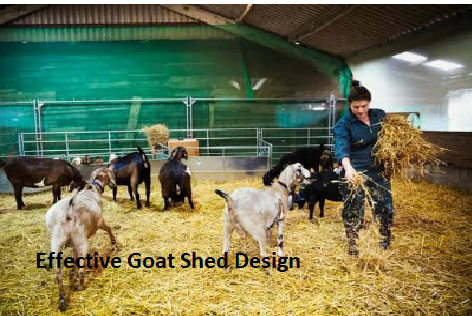
Developing a functional goat shed design starts with understanding the specific behavioral needs of your herd. Goats require a dry, draft-free environment to maintain optimal health, as they are notoriously susceptible to respiratory issues when housed in damp conditions.
By prioritizing ventilation and protection from the elements, you create a space that reduces the risk of illness and increases overall productivity. This overview provides the essential metrics and structural considerations necessary to build a shelter that keeps your animals thriving throughout the year, regardless of the local climate.
Standard Space Requirements
The most critical factor in successful goat shed design is calculating the square footage based on the size and breed of your animals. For standard-sized dairy goats, you should provide at least 12 to 15 square feet of floor space per animal.
If you are housing miniature breeds like Nigerians, you can comfortably reduce this to 8 to 10 square feet per head. Overcrowding leads to increased humidity levels, which encourages the growth of bacteria and parasites.
Always account for additional space for birthing pens or storage when planning your footprint. A dedicated kidding pen should measure at least 4 feet by 4 feet to allow the doe enough room to move and care for her kids.
If you plan to store hay or feed inside the shed, add an extra 20% to the total floor area to avoid clutter. Failing to include these buffer zones often leads to cramped conditions that make daily maintenance tasks difficult to perform.
Optimizing Ventilation and Airflow
Respiratory health is the primary goal of any effective goat shed design because goats are highly sensitive to stagnant air. You must ensure that the structure allows for constant air exchange without creating direct, cold drafts at the animal’s level.
The most effective method is to include high-mounted vents or open eaves that allow moisture-heavy air to escape through the roofline. This chimney effect draws fresh air in through the lower openings, keeping the interior dry and oxygenated.
Avoid placing windows or vents directly across from each other at the height where the goats sleep, as this creates a cross-breeze that can chill them. Instead, stagger openings or use baffles to direct incoming air upward toward the rafters.
If your region experiences extreme winters, install adjustable shutters that you can close during severe storms. Proper airflow is not just about temperature; it is the primary tool for managing ammonia levels that accumulate from urine.
Selecting Appropriate Flooring Materials
The floor of your shelter is the component that faces the most wear and tear over time. Earth floors are common in basic goat shed design, but they require significant management to prevent deep mud and parasite buildup.
You must ensure the floor is slightly elevated compared to the surrounding ground to encourage proper drainage. If you choose dirt, plan to add a fresh layer of lime and deep bedding, such as wood shavings or straw, on a weekly basis.
Concrete is a more durable, sanitary alternative that is easier to disinfect after a disease outbreak or a kidding season. However, concrete is cold and hard, which can lead to joint issues or mastitis if the goats lie directly on it for long periods.
If you choose concrete, you must use a thicker layer of bedding to provide a thermal barrier. Many successful keepers use a “deep litter” method, where layers of organic material are added throughout the winter to create a composting floor that generates its own heat.
Structural Orientation and Sunlight
The orientation of your shed relative to the sun is a fundamental element of smart goat shed design. In the Northern Hemisphere, the open side of the shed should face south or southeast to maximize solar gain during the colder months.
This orientation allows the low winter sun to penetrate deep into the shed, drying out the floor and warming the interior. Conversely, ensure that the west side of the building is solid to block the harsh afternoon sun and prevailing winds.
If you live in an area with extreme summer heat, consider adding a roof overhang that extends at least 3 feet past the front wall. This provides a shaded porch area where the goats can congregate during the day without being confined inside.
You can also incorporate deciduous trees on the southern side to provide shade during the summer while allowing sun to pass through once the leaves have fallen. These passive solar techniques significantly reduce the need for supplemental heating or cooling.
Materials and Construction Longevity
Using the right materials ensures that your goat shed design remains standing for decades rather than just a few seasons. Pressure-treated lumber is recommended for the frame and any wood in contact with the ground to prevent rot and termite damage.
For the siding, exterior-grade plywood or metal roofing sheets are standard choices that offer excellent weather resistance. Metal roofing is particularly effective because it sheds snow quickly and is resistant to the chewing habits of curious goats.
Goats are destructive by nature and will chew on almost any exposed wooden corner or trim piece. You should cover exposed edges with metal flashing or heavy-duty wire mesh to prevent them from dismantling their own shelter.
Ensure all hardware, such as hinges and latches, is heavy-duty and rust-resistant, as goats will test the strength of doors by rubbing against them. Investing in high-quality fasteners now saves you from costly repairs or escapes caused by broken latches later.
Essential Features Comparison Table
When comparing different approaches to shelter construction, keep in mind how each variable affects your daily labor. The following table highlights the common trade-offs between different flooring and material choices for your shed.
| Feature | Pros | Cons |
|---|---|---|
| Concrete Floor | Easy to sanitize, long-lasting | Cold, expensive, hard on joints |
| Dirt Floor | Low cost, natural | Prone to mud, high maintenance |
| Metal Siding | Fire resistant, very durable | Can be noisy during rain |
| Wood Siding | Insulating, aesthetic | Needs painting, goat-chew prone |
Safety Considerations and Predator Control
A secure goat shed design must protect your herd from local predators like coyotes, dogs, or bobcats. The structure should be tight enough that no animal can reach inside, and the door must have a locking mechanism that a goat cannot manipulate with its mouth.
Many goats are surprisingly adept at opening simple slide bolts, so always use a locking carabiner or a secondary safety clip. Check the perimeter of the shed for any gaps near the ground where small predators might tunnel.
Beyond security, you must also prioritize the internal safety of the goats. Avoid using nails that protrude through the walls, and ensure all electrical wiring is enclosed in metal conduit to prevent chewing.
If you use heaters for water troughs or kidding pens, they should be specifically rated for agricultural use and kept well away from flammable bedding. A well-designed shed is a safe haven that prevents accidents before they occur.
Maintenance and Hygiene Protocols
The effectiveness of your goat shed design is ultimately judged by how easily you can maintain a clean environment. Design the internal layout so that you can easily remove manure, whether by hand-shoveling or using a small tractor.
If the shed is small, ensure the door is wide enough to accommodate your wheelbarrow or cleaning equipment without difficulty. A simple, efficient cleaning routine is the single best way to ensure the long-term health of your animals.
* Establish a weekly schedule for removing wet bedding and replacing it with dry material.
* Keep a dedicated area for storing feed in metal, rodent-proof bins.
* Inspect the roof and gutters every autumn to ensure no leaks have developed.
* Apply non-toxic, pet-safe treatments to the interior wood to prevent mite infestations.
* Keep a basic first-aid kit inside the shed, stored in a sealed container, for quick access during emergencies.
For more information on managing livestock health and housing, you can consult the United States Department of Agriculture guidelines on animal welfare. Following these professional standards will help you maintain a high level of care for your herd.
Frequently Asked Questions
What is the best type of bedding for a goat shed?
Straw is the gold standard for bedding because it is absorbent and provides good insulation. Wood shavings are also effective, but ensure they are pine or another safe wood; avoid cedar, as the oils can be respiratory irritants to some goats.
Should a goat shed be elevated off the ground?
While not mandatory, elevating a shed by a few inches on a gravel pad or wooden skids is highly recommended. This prevents water from pooling inside during heavy rains and keeps the floor dry, which is essential for preventing hoof rot.
How many goats can fit in a 10×10 shed?
A 100-square-foot shed can comfortably house between 6 and 8 standard-sized dairy goats. If you are keeping smaller breeds, you could potentially fit 10, but always prioritize the comfort of the animals over maximum capacity.
What is the most common mistake in goat shelter design?
The most common mistake is poor ventilation, often caused by building a shed that is too airtight. Goats produce a significant amount of moisture through their breath and urine, which must be allowed to escape to prevent pneumonia and other respiratory issues.
How do I keep goats from chewing on the shed walls?
Goats are natural explorers and will gnaw on wood out of boredom or nutritional curiosity. You can discourage this by providing plenty of hay, browse, or wood blocks to chew on, and by covering vulnerable wooden corners with metal trim.
Designing a functional space requires balancing the specific needs of your herd with the realities of your climate and budget. A successful goat shed design is one that prioritizes dry, well-ventilated space while remaining durable enough to withstand the daily habits of your animals. By focusing on these core principles, you create a healthy environment that supports the long-term productivity and happiness of your goats.
Take the time to measure your space carefully and consider how your chosen materials will hold up over several years of use. If you have questions about specific regional requirements, reach out to local agricultural extension offices for advice tailored to your area. Building the right home for your goats is a rewarding project that pays off every time you see your healthy, thriving animals.
