

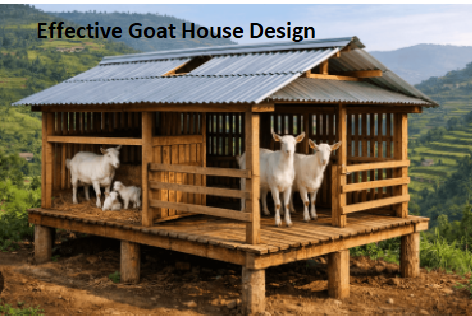
Effective goat house design requires balancing the animal’s natural instincts with the practical needs of the farm owner. Goats are notoriously sensitive to moisture and drafts, meaning a shelter that looks good on paper might fail to keep your herd healthy during a cold snap.
By focusing on ventilation, floor space, and material durability, you can create a structure that protects your investment and minimizes daily chores. Proper planning at the start prevents costly renovations later, ensuring your animals stay comfortable year-round.
The primary requirement for a functional structure is providing at least 15 square feet of indoor space per animal. Smaller breeds like Nigerian Dwarfs may thrive with slightly less, but crowding leads to respiratory issues and social tension.
A well-ventilated space that remains dry is the single most important factor in keeping your herd free from common ailments like pneumonia. You should prioritize a design that allows air to flow freely near the roofline while keeping floor-level drafts to a minimum.
Calculating Space and Structural Requirements
Space planning is the foundation of any successful goat house design project. You must account for the specific needs of your breed, as a standard Nubian needs significantly more room than a miniature variety.
A general rule of thumb is to allocate 15 to 20 square feet per adult goat to prevent bullying and allow for comfortable sleeping arrangements. If your shelter includes a milking area or a kidding pen, you need to increase these footprint calculations significantly.
Space Allocation Guidelines
When laying out your floor plan, consider how the goats move through the space. They require clear pathways to reach their bedding and feeding areas without getting trapped in corners.
If you are housing a mixed herd, ensure the dominant animals cannot block the exits or the water supply. A square or rectangular shape usually proves more efficient for cleaning than irregular, rounded corners that accumulate waste.
You should also account for future growth when determining the size of your structure. It is far cheaper to build a slightly larger shed now than to add an extension in two years when your herd size increases.
Think about how many kids you expect to keep and whether you will need a separate stall for sick animals. Planning for 20% more space than your current population requires is a standard practice among experienced breeders.
Ventilation and Moisture Control
Moisture is the primary enemy of goat health, often leading to hoof rot and respiratory infections. A good goat house design prioritizes airflow that exits near the ridge of the roof, carrying away ammonia and humidity.
If the air inside feels heavy or smells strongly of ammonia, your ventilation system is insufficient. Never seal a goat shelter airtight; even in deep winter, they need a consistent exchange of fresh air.
Managing Airflow
Position your windows and vents on the sides of the building that do not face prevailing winds. This allows for cross-ventilation during hot summer months without creating a direct breeze on the animals’ backs.
If you live in a region with extreme winters, install adjustable shutters or sliding panels to close off some intake vents during storms. Always ensure the highest point of your roof is vented to allow warm, moist air to escape upward.
Condensation on the walls or ceiling is a major red flag that indicates poor design or improper insulation. If moisture builds up, the bedding will become damp, leading to a host of health problems.
Check your structure during different times of the day to see how air moves through the space. You might find that adding a simple ridge vent or modifying window placement makes a significant difference in the dryness of the interior.
Roofing and Weather Protection
The roof is the most important component when it comes to keeping your herd dry. A metal roof is highly recommended for its durability and ability to shed snow and rain efficiently.
Ensure your roof has a significant overhang, at least 12 to 18 inches, to keep rain from splashing against the walls. This extra coverage also provides a dry area near the entrance where goats can stand during light showers.
Material Considerations
If you choose a metal roof, be aware that it can get loud during heavy rain or hail, which might startle sensitive animals. You can mitigate this by installing a solid plywood roof deck underneath the metal panels.
Ensure the pitch of the roof is steep enough to prevent water pooling or ice dams in colder climates. A low-slope roof might look modern, but it often requires more frequent maintenance and is prone to leaks over time.
Consider the orientation of the building relative to the sun. In the northern hemisphere, facing the entrance toward the south allows the winter sun to warm the interior during the day.
This passive solar gain can keep the floor slightly warmer, which is a major comfort benefit for the animals. In summer, the higher angle of the sun means the interior stays relatively cool, provided you have adequate shade and airflow.
Flooring Options for Health and Hygiene
The floor of your goat house determines how much time you spend cleaning and how healthy the goats’ hooves remain. Dirt floors are common but can become muddy and harbor parasites if they aren’t managed correctly.
If you choose a dirt floor, you must build the structure on a slight mound to ensure water drains away from the center of the shed. Adding a thick layer of crushed stone topped with sand can help create a more stable base.
Comparing Flooring Surfaces
Concrete floors are the easiest to sanitize, but they are cold and can be hard on the goats’ legs if not covered with deep bedding. Wood floors are warmer but require high-quality pressure-treated lumber to prevent rot from the ammonia in urine.
Many owners prefer a “deep litter” method, where they add layers of straw or wood shavings over a dirt or wood base. This method creates a warm, composting bed that can be cleared out entirely twice a year.
| Flooring Type | Pros | Cons | Maintenance |
| :— | :— | :— | :— |
| Dirt/Packed Earth | Inexpensive | Can harbor parasites | High (needs drainage) |
| Concrete | Easy to clean | Cold, expensive | Low (requires bedding) |
| Wood Planks | Warm, dry | Subject to rot | Moderate (needs sealing) |
| Deep Litter | Natural insulation | Labor intensive | Seasonal clean-out |
Essential Features and Interior Layout
Every goat house design should incorporate specific functional zones to make daily management easier. A dedicated feeding station prevents hay from being wasted or trampled into the bedding.
Use raised hay feeders that keep the feed at shoulder height, which mimics their natural browsing behavior. This reduces the risk of fecal contamination and keeps the food supply clean and accessible.
Functional Additions
Install sturdy, low-profile gates that allow you to separate animals when necessary. A simple latching system is vital, as goats are excellent at learning how to open basic hardware.
Include a mounting bracket for a mineral block and a secure wall-mount for water buckets. Keep the water source away from the sleeping area to prevent accidental spills from soaking the bedding.
Consider adding a “goat playground” or climbing structure if you have indoor space for long winter months. Goats are naturally curious and enjoy vertical movement, which helps keep them mentally stimulated.
Ensure these structures are built from non-toxic, splinter-free wood and are securely anchored to the floor or wall. Avoid any sharp edges or protruding nails that could snag a goat’s coat or cause injury.
Security and Predator Deterrence
Goats are vulnerable to a variety of predators, ranging from neighborhood dogs to coyotes and bobcats. Your goat house design must include secure locking mechanisms that are impossible for intelligent animals to manipulate.
Use heavy-duty drop bolts or carabiners on all doors and window shutters. Even a very simple structure must be strong enough to withstand a determined predator trying to pry it open.
Fortifying the Perimeter
If your goats are locked inside at night, the structure acts as their primary fortress. Check the perimeter for any gaps where a predator might squeeze through or dig underneath.
Burying hardware cloth along the base of the walls can prevent burrowing animals from gaining entry. You should also ensure that any windows are covered with heavy-gauge wire mesh rather than flimsy chicken wire.
The Penn State Extension provides extensive resources on livestock management and safety standards for small ruminants. Following these best practices ensures that your housing setup meets industry-standard safety benchmarks.
Always inspect the exterior of your shelter after a storm to ensure no damage has occurred that could allow a predator to enter. Maintaining the integrity of your perimeter is a task that should happen at least once a month.
Common Mistakes to Avoid
Many beginners make the mistake of building a structure that is too small or lacks adequate light. Goats need natural light to maintain their circadian rhythms and overall mood.
If you build a windowless shed, you will find that the interior remains damp and dark, which encourages mold growth. Always include at least one or two windows that can be opened for ventilation.
Avoiding Design Pitfalls
Another common error is failing to consider the height of the ceiling. You need to be able to stand comfortably inside the house to clean it, check on the goats, or provide medical care.
A structure that is only three feet high is a nightmare to maintain and will eventually be neglected. Build your walls at least six to seven feet high to allow for your own comfort and proper air circulation.
Do not overlook the importance of the doorway width. You should be able to walk through the door carrying a wheelbarrow or a bale of hay without struggling.
A narrow door is not only inconvenient but can also cause injuries if goats crowd through it during feeding time. Ensure your main entrance is at least 36 to 42 inches wide to accommodate your equipment and the flow of the herd.
Frequently Asked Questions
What is the most important factor for a healthy goat shelter?
The most important factor is keeping the environment dry. Goats are extremely prone to respiratory issues if they are forced to sleep in damp or humid conditions, so prioritize ventilation and roof integrity above all else.
Should my goat house be elevated off the ground?
Elevating the floor of your goat house can be beneficial, especially in areas with poor drainage or high rainfall. It prevents water from pooling underneath and keeps the floor warmer by allowing air to circulate, though it is not strictly required if your site is naturally well-drained.
How do I stop my goats from eating their wooden walls?
Goats love to chew, and wooden structures are a favorite target. You can deter this behavior by applying a non-toxic bitter apple spray, or by covering the interior corners and edges with metal flashing or hardware cloth to prevent them from getting a grip.
What is the best way to manage waste in a goat house?
The deep litter method is widely considered the best approach for most small farms. By layering straw or wood shavings, you allow the waste to compost in place during the winter, which generates natural heat and makes the final cleanup much easier in the spring.
Can I use a converted garden shed for my goats?
Yes, a garden shed can work well as a goat house as long as you modify it for adequate ventilation and ensure it is predator-proof. You will likely need to cut in extra windows or vents and ensure the door latch is upgraded to something more secure than a standard shed handle.
Building a successful structure for your herd requires careful attention to the environment and the specific needs of your animals. By focusing on a dry, well-ventilated, and spacious goat house design, you establish the foundation for a healthy and productive herd. Remember that your maintenance routine is just as important as the initial construction; a clean space prevents disease and keeps your animals happy.
As you move forward with your project, ensure you prioritize materials that stand up to the elements and provide long-term value. Taking the time to get the details right during the planning phase will save you significant effort and expense down the road. We encourage you to start with a simple, solid plan and expand only once you understand the unique requirements of your specific goats and your local climate.
