

Managing goat pox disease is a critical priority for livestock farmers and veterinarians globally, as this highly contagious viral infection can devastate herds if left unchecked. Understanding the clinical signs, transmission pathways, and prevention strategies is essential for maintaining the health and productivity of small ruminants. This article explores the specific characteristics of the virus, how it spreads between animals, and the most effective diagnostic and management protocols available today.
By recognizing early symptoms and implementing rigorous biosecurity measures, producers can significantly reduce the economic losses associated with outbreaks. Readers will gain a clear perspective on how to protect their animals from this persistent threat.
The primary cause of goat pox disease is the Capripoxvirus, a member of the Poxviridae family that remains stable in the environment for extended periods. This virus is closely related to sheeppox and lumpy skin disease in cattle, which complicates cross-species management in mixed livestock operations. While the virus is host-specific in many cases, it can cause severe systemic illness, high mortality rates, and significant production losses in susceptible goat populations.
The pathogen enters the host through respiratory droplets or direct contact with infected skin lesions. Once inside, it spreads systemically, leading to the characteristic clinical manifestations that define the infection.
Clinical Presentation and Symptoms
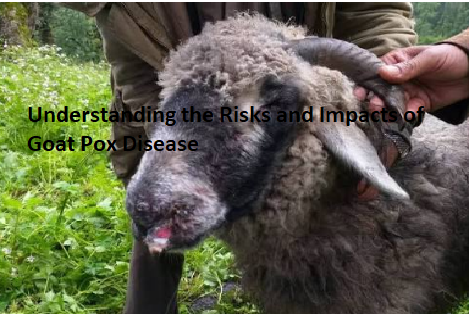
The symptoms of this condition typically begin with a high fever, often reaching 105°F or higher, followed by the appearance of characteristic lesions. These nodules can appear on hairless areas, including the udder, teats, muzzle, and around the eyes. As the disease progresses, these bumps can become necrotic or develop into pustules, eventually forming scabs that leave permanent scars. Respiratory distress is also common, as internal lesions may develop in the lungs, leading to pneumonia and secondary bacterial complications. In acute cases, animals may succumb to the virus within a few days, even before the characteristic skin eruptions become fully visible.
Transmission and Environmental Persistence
Transmission occurs primarily through direct contact between infected and healthy animals, though indirect transmission is a major factor in farm outbreaks. The virus is extremely resistant to environmental conditions and can persist in dried scabs for months, especially in cool, dark environments. Contaminated equipment, clothing, feed, and bedding act as fomites, facilitating the spread of the virus across a premises or between neighboring farms. Insects such as flies and ticks may also play a role in mechanical transmission, carrying the virus from lesion to lesion during warmer seasons. Controlling the movement of animals and sanitizing shared facilities are the most effective ways to break these transmission cycles.
Economic Impact on Livestock Production
The economic consequences of an outbreak are profound, extending far beyond the immediate loss of livestock due to mortality. Farmers face significant financial strain from reduced milk production, stunted growth in kids, and the loss of skin and hide quality due to scarring. Furthermore, international trade restrictions often follow an outbreak, preventing the export of livestock and animal products from affected regions. Vaccination costs, veterinary fees, and the labor required for quarantine and disinfection further increase the burden on the producer. Proactive management is not just a health concern; it is a fundamental pillar of sustainable farm economics.
Diagnostic and Testing Protocols
Accurate diagnosis is crucial for controlling the spread of the virus, as early symptoms can sometimes be confused with other skin conditions like orf or contagious ecthyma. Veterinarians typically rely on a combination of clinical observation and laboratory confirmation to reach a definitive diagnosis. Polymerase chain reaction (PCR) tests are the gold standard for identifying the presence of Capripoxvirus DNA in tissue samples, blood, or scabs. Serological tests, such as virus neutralization, can be used for herd surveillance, although they may not distinguish between vaccinated and naturally infected animals. Implementing rapid testing during an initial outbreak can prevent a local incident from escalating into a widespread epidemic.
Prevention and Vaccination Strategies
Vaccination remains the most effective tool for preventing the clinical signs of goat pox disease in endemic areas. Live attenuated vaccines are widely used to induce strong, long-lasting immunity, though they must be administered carefully to avoid reactions. A consistent vaccination schedule, usually performed annually, is necessary to maintain herd immunity levels. For more detailed information on global animal health standards and notification protocols, you can consult the World Organisation for Animal Health, which provides comprehensive data on transboundary diseases. Combining vaccination with strict quarantine procedures for new arrivals is the best approach for long-term herd protection.
Standard Management and Biosecurity
Biosecurity is the first line of defense against the introduction of the virus onto a farm. Implementing a closed-herd policy is the most effective way to minimize risk, as it limits the introduction of new pathogens from external sources. When adding new animals is unavoidable, a strict quarantine period of at least 30 days is mandatory, during which the animals should be monitored for any signs of fever or skin lesions. Staff should also follow strict hygiene protocols, including the use of dedicated footwear and clothing when moving between different groups of animals. Regular cleaning and disinfection of stalls, water troughs, and feeding equipment are essential to eliminate any viral particles that might be lingering in the environment.
Treatment Challenges and Supportive Care
Currently, there is no specific antiviral treatment that can cure the infection once it has taken hold in an animal. Management focuses entirely on supportive care, which aims to reduce the severity of symptoms and prevent secondary bacterial infections. Providing high-quality nutrition, hydration, and a clean, stress-free environment can help the animal’s immune system fight the virus more effectively. Antibiotics are often administered to treat the secondary pneumonia that frequently complicates the course of the disease. In many cases, the decision to cull severely affected animals is made to prevent further transmission and alleviate suffering, especially in high-density farming environments.
Data Comparison of Viral Impact
Understanding the severity of the virus requires looking at the varying rates of morbidity and mortality across different breeds and environmental conditions. Younger animals and those from previously unexposed populations generally suffer the most severe outcomes when an outbreak occurs. The following table highlights the typical progression and impact of the virus in a non-vaccinated herd versus a vaccinated herd.
| Metric | Non-Vaccinated Herd | Vaccinated Herd |
|---|---|---|
| Infection Rate | Up to 80% | Less than 5% |
| Mortality Rate | 10% to 50% | Near 0% |
| Recovery Time | 4 to 6 weeks | Minimal/No symptoms |
| Production Loss | High (Milk/Meat) | Negligible |
Frequently Asked Questions
What is the most effective way to disinfect a farm after a goat pox outbreak?
The virus is sensitive to several common disinfectants, including sodium hypochlorite (bleach), phenol, and certain iodine-based solutions. Surfaces should be thoroughly cleaned of organic matter, such as manure or bedding, before applying the disinfectant, as these materials can neutralize the chemical agent.
Can this virus infect humans?
No, the virus that causes this condition is host-specific to goats and sheep and does not pose a zoonotic risk to humans. It is entirely distinct from human smallpox or monkeypox, and there is no evidence of human infection resulting from contact with affected animals.
How long does the virus survive in the environment?
The virus is remarkably resilient and can persist in scabs for up to six months in dry, cool conditions. It can also survive for several weeks in contaminated wool or hair, making it a persistent threat in facilities that are not properly sanitized.
Is there a cure for infected animals?
There is no curative antiviral medication, and treatment is purely supportive to manage symptoms and secondary infections. Most animals that survive the initial phase of the infection develop a strong, lifelong immunity to the virus.
Why is quarantine so important for new arrivals?
Quarantine prevents the introduction of sub-clinically infected animals, which may be shedding the virus without showing visible lesions. This 30-day window allows the disease to manifest if the animal is already infected, ensuring it does not spread to the rest of the healthy herd.
Key Considerations for Herd Health
Maintaining a healthy herd requires constant vigilance and a clear understanding of the risks posed by viral pathogens. Key actions for every producer should include the following:
- Establishing an annual vaccination calendar for all adult and young stock.
- Maintaining a secure perimeter to prevent contact with stray or neighboring animals.
- Training farm staff to recognize early symptoms like high fever and small skin nodules.
- Keeping detailed records of animal health and movement for quick contact tracing.
- Ensuring that all cleaning equipment is disinfected between different pens or barns.
- Consulting with a local veterinarian to create a customized biosecurity plan for the property.
Managing the presence of goat pox disease requires a consistent, proactive approach that combines vaccination, biosecurity, and rapid response to any signs of illness. While the virus is highly contagious and environmentally stable, farmers who prioritize strict sanitation and herd immunity significantly reduce the risk of catastrophic loss. By staying informed about the latest veterinary guidelines and maintaining clear, documented health records, producers can protect their investment and ensure the welfare of their animals.
If you suspect an outbreak, contact your local animal health authorities immediately to prevent the disease from spreading to neighboring farms. Taking these steps today is the most reliable way to secure the future of your livestock operation against this persistent threat.
