

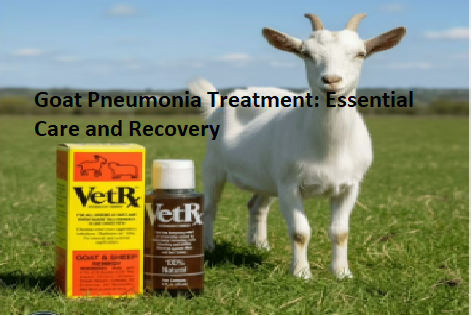
Managing goat pneumonia treatment requires immediate action, as respiratory distress in small ruminants can progress from a mild cough to a fatal condition within hours. Understanding the specific pathogens involved and selecting the correct pharmacological intervention is the difference between a recovering herd and significant production losses.
This article provides the clinical framework necessary for identifying symptoms, administering appropriate antibiotics, and implementing supportive care strategies that prioritize animal welfare. By focusing on evidence-based protocols, you can effectively manage respiratory outbreaks and improve the long-term health outcomes for your goats.
Immediate Clinical Response and Diagnosis
The first step in effective goat pneumonia treatment is recognizing the physical indicators before the animal becomes moribund. A healthy goat maintains a temperature between 101.5°F and 103.5°F, whereas a fever often signals the onset of a bacterial infection. Look for signs such as nasal discharge, which may be clear initially but turns thick, yellow, or green as the infection progresses.
Listen closely for audible crackles or wheezing in the chest cavity, often referred to as lung sounds. A goat struggling to breathe will frequently stand with its neck extended and elbows bowed outward to increase lung capacity. This posture is a critical warning sign that the animal is in respiratory distress and requires immediate medical intervention.
Isolation is mandatory as soon as you suspect pneumonia to prevent the spread of contagious pathogens like Mycoplasma or Mannheimia. Move the affected animal to a clean, dry, and well-ventilated area that is protected from drafts but allows for fresh air circulation. Stress exacerbates respiratory issues, so handle the patient with minimal disruption to keep their cortisol levels low during the recovery phase.
Choosing the Right Antibiotic Therapy
Selecting the correct antibiotic is the core of successful goat pneumonia treatment, but you must consult with a veterinarian to ensure compliance with local regulations. Penicillin is frequently used for primary bacterial infections, though its efficacy depends heavily on the specific strain of bacteria present. For many producers, Oxytetracycline or Tilmicosin—if approved for use in your jurisdiction—are common choices.
Dosage accuracy is non-negotiable, as under-dosing leads to antibiotic resistance and treatment failure. Always calculate the dose based on the animal’s exact body weight using a livestock scale rather than estimating by sight. Administer the full course of treatment as prescribed, even if the goat appears to improve after the first two days of medication.
Common Antibiotic Options
| Antibiotic Type | Typical Usage | Notes |
| :— | :— | :— |
| Penicillin G | Initial therapy | Often requires high, frequent dosing |
| Oxytetracycline | Broad-spectrum | Effective against many respiratory bacteria |
| Tulathromycin | Single-dose | Long-acting, reduces handling stress |
| Florfenicol | Severe cases | Requires veterinary prescription |
Be aware that goats metabolize drugs faster than cattle, meaning standard bovine doses are often insufficient. Your veterinarian may recommend a higher frequency of administration to maintain therapeutic blood levels. Keep detailed records of the drugs used and the dates of administration to adhere to mandatory withdrawal periods before marketing meat or milk.
Supportive Care and Environmental Management
Antibiotics alone are rarely sufficient for a full recovery in severe cases of pneumonia. Supportive care focuses on hydration and nutritional intake to keep the animal’s immune system functioning during the fight against the infection. If the goat has stopped eating, you must consider using an electrolyte drench or a probiotic paste to stabilize rumen function.
Providing high-quality, dust-free forage is essential, as dusty hay can irritate inflamed airways and worsen coughing. Ensure the goat has constant access to fresh, clean water, perhaps slightly warmed if the weather is cold. Some owners find that adding a small amount of electrolytes to the water encourages consumption during the recovery phase.
Environmental control is just as important as medical intervention for long-term health. Pneumonia often thrives in barns with poor airflow where ammonia levels from manure buildup become toxic.
Install proper ventilation systems that move air without creating direct wind chill on the goats. You can learn more about managing these environmental factors through the Merck Veterinary Manual guidelines on respiratory diseases.
Managing Chronic Cases and Relapse
Some goats develop chronic pneumonia that persists for weeks or months, often leading to permanent lung scarring. These animals are frequently referred to as “lungers” and may never fully regain their previous growth rates or milk production. Careful monitoring is required to determine if the animal is suffering or if it can maintain a reasonable quality of life.
Relapse is a common challenge in goat pneumonia treatment, especially if the initial course of antibiotics was terminated too early. If symptoms return, do not simply repeat the same drug without consulting a professional, as the bacteria may have developed resistance. A second-line antibiotic or a combination therapy might be necessary to clear the persistent infection.
Consider culling animals that fail to respond to multiple rounds of treatment. Chronic carriers can shed bacteria into the environment, putting the rest of your healthy herd at risk. While it is a difficult decision, protecting the health of the majority is a necessary part of responsible livestock management.
The Role of Vaccination in Prevention
Vaccination is the most cost-effective strategy for reducing the incidence of pneumonia in your herd. While no single vaccine covers every potential pathogen, most commercial vaccines target common strains like Mannheimia haemolytica and Pasteurella multocida. Consult with your veterinarian to design a vaccination schedule that addresses the specific respiratory threats present in your region.
Timing is critical, as vaccines require several weeks to build protective immunity. Plan your vaccination program to ensure that kids are immunized before they reach the high-stress period of weaning. For mature goats, annual boosters are often necessary to maintain high antibody titers against seasonal respiratory challenges.
Keep in mind that vaccines are not a substitute for good management. A vaccinated animal can still contract pneumonia if exposed to extreme environmental stress or poor hygiene. Use vaccines as one component of a broader biosecurity plan that includes quarantine protocols for new arrivals and regular parasite control.
Nutritional Strategies for Respiratory Health
A robust immune system starts with proper nutrition, specifically the balance of vitamins and minerals. Deficiencies in Vitamin E and Selenium are strongly linked to increased susceptibility to respiratory infections in goats. If your soil or forage is naturally low in these minerals, you must provide a high-quality, loose mineral supplement specifically formulated for goats.
Protein intake is another critical factor during the recovery process. A goat fighting an infection requires extra energy to repair lung tissue and produce immune cells. During the winter months, ensure your goats have enough high-quality hay to maintain their body heat, as cold stress is a primary trigger for pneumonia outbreaks.
Avoid sudden changes in diet, which can cause rumen acidosis and weaken the animal’s overall resilience. If you need to introduce grain or change hay sources, do so gradually over a period of seven to ten days. A stable digestive tract supports a stable immune system, which is your best defense against respiratory illness.
Identifying Early Warning Signs
* Changes in behavior: The goat becomes lethargic and stops interacting with the herd.
* Appetite loss: A sudden drop in feed consumption is often the first sign of illness.
* Abnormal breathing: Rapid, shallow breaths or a noticeable “heave” in the abdomen.
* Ocular discharge: Watery eyes or crusty buildup around the lids.
* Temperature spikes: Any reading above 104°F indicates an active infection.
By observing these signs daily, you can intervene before the pneumonia reaches a critical state. Early detection allows for lower doses of medication and faster recovery times. Keep a thermometer in your medical kit and learn how to take a rectal temperature, as this is the most reliable way to assess the severity of the illness.
Common Questions Regarding Respiratory Care
How long does it take for a goat to recover from pneumonia?
Recovery time varies based on the severity of the infection and how quickly treatment began. A mild case may improve within 3 to 5 days, while severe cases can take two weeks or more for the lungs to clear. Always monitor the animal for several days after the symptoms disappear to ensure no relapse occurs.
Can I treat goat pneumonia with over-the-counter medication?
While some over-the-counter options exist, they are often not the most effective for aggressive bacterial pneumonia. Many effective antibiotics for goats require a veterinary prescription to ensure the correct drug is used for the specific pathogen. Using the wrong drug can lead to treatment failure and increased risk of death.
Is it safe to keep a sick goat with the rest of the herd?
No, you should always isolate a sick goat as soon as symptoms appear. Even if the illness is not highly contagious, the isolation area provides a low-stress environment where the goat can rest without competition for food. It also allows you to monitor their intake and waste output more accurately.
What if the goat stops eating entirely?
If a goat stops eating, it is a medical emergency that requires immediate attention. You may need to provide supportive care through oral drenching or, in severe cases, intravenous fluids administered by a professional. A goat that does not eat will quickly lose the energy needed to fight the infection, leading to rapid deterioration.
Does cold weather cause pneumonia in goats?
Cold weather itself does not cause pneumonia, but it acts as a significant stressor that suppresses the immune system. When combined with dampness and poor ventilation, cold weather creates the perfect conditions for bacteria to multiply. Keeping goats dry and draft-free is far more important than keeping them warm in a sealed, stuffy barn.
Maintaining Herd Health Long-Term
Effective goat pneumonia treatment is ultimately about prevention and early intervention. By maintaining a strict biosecurity protocol, you can keep your herd protected from the most common respiratory pathogens. Always quarantine new arrivals for at least three weeks before introducing them to your main group, as they could be asymptomatic carriers.
Regular health checks, including monitoring body condition scores and respiratory rates, should be part of your routine. If you notice a pattern of illness in your herd, look closely at your management practices. Often, a small change in ventilation or mineral supplementation can have a massive impact on the overall health of your animals.
Prioritize the well-being of your goats by staying informed about the latest veterinary recommendations for your area. When you do encounter an issue, act decisively with appropriate medication and supportive care. Consistent, proactive management will ensure that your herd stays healthy and productive for years to come.
