

Navigating a goat farming marketing plan bank loan process requires a blend of agricultural technicality and financial precision to convince lenders of your venture’s viability. Securing funding depends heavily on your ability to demonstrate how your specific herd management practices translate into consistent cash flow. Most commercial banks prioritize applicants who present a formal, data-driven business strategy that accounts for regional market demand and operational overhead.
To secure a loan, you must provide a detailed document that includes your projected herd expansion, feed procurement strategy, and specific sales channels for meat or milk. Lenders look for a clear debt-to-equity ratio, typically expecting the farmer to contribute at least 20% to 30% of the initial capital investment. You should expect to undergo a credit assessment, a review of your collateral, and an examination of your farm’s location suitability.
Financial Requirements for Loan Approval
Banks evaluate your application based on your ability to mitigate risks inherent in livestock production. You must provide a balance sheet, a cash flow projection for at least five years, and a comprehensive list of all startup costs. Most institutions require documentation of land tenure, whether you own the acreage or have a long-term lease agreement.
The goat farming marketing plan bank loan process often hinges on your “break-even” analysis. You need to identify exactly how many goats you must sell annually to cover interest payments and operating expenses. Lenders are particularly interested in your mortality rate projections; keeping this figure below 5% is a strong indicator of professional management.
Drafting Your Marketing Strategy
A marketing plan is not just about finding buyers; it is about proving you have a stable supply chain. You must identify specific local or regional markets, such as ethnic grocery stores, restaurants, or livestock auctions. If your focus is dairy, you need to verify contracts with local creameries or provide a plan for processing raw milk into value-added products like cheese or yogurt.
Your plan should detail your pricing strategy relative to current market volatility. Explain how you will handle seasonal price fluctuations that often affect the livestock industry. Mentioning your participation in local cooperatives or agricultural networks adds credibility, as these groups often provide stable distribution channels.
Land and Infrastructure Planning
Lenders will scrutinize your land-use plan to ensure it meets environmental and zoning standards. For a herd of 100 goats, you generally need at least 5 to 10 acres of high-quality pasture to maintain healthy grazing rotations. If you intend to operate a zero-grazing system, you must justify the added cost of infrastructure like housing, feeders, and waste management systems.
Proper housing is a non-negotiable requirement for many agricultural loans to ensure animal welfare and disease control. You should include architectural sketches or detailed descriptions of your barns, including ventilation, drainage, and security measures. High-quality infrastructure reduces the risk of disease outbreaks, which protects the bank’s investment in your livestock.
Livestock Selection and Breed Management
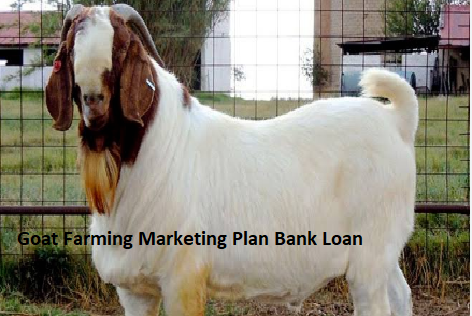
The breed you choose directly impacts your profitability and, consequently, your loan eligibility. You must justify your choice of breeds by linking them to your target market, such as Boer goats for meat production or Saanen for milk. Mention your source for quality breeding stock and how you plan to manage genetic diversity within your herd.
Lenders want to see that you have a plan for veterinary care and routine vaccinations. Include a section in your business plan that lists your primary veterinarian and an estimated budget for annual health checks. This level of detail shows that you are prepared for the biological realities of running a farm.
Projected Costs and Income Streams
Financial transparency is the cornerstone of any successful loan application. You must present a clear table that breaks down your expected expenditures versus your revenue targets over the first three years. This data helps the bank understand your liquidity levels and your ability to weather early-stage losses.
| Expenditure Category | Year 1 Cost | Year 2 Cost | Year 3 Cost |
| :— | :— | :— | :— |
| Breeding Stock | $15,000 | $2,000 | $2,000 |
| Feed and Supplements | $8,000 | $9,500 | $11,000 |
| Veterinary/Medicine | $2,500 | $3,000 | $3,500 |
| Facility Maintenance | $4,000 | $1,500 | $2,000 |
| Total Annual Outlay | $29,500 | $16,000 | $18,500 |
Standard Operational Procedures
Documenting your daily routine is vital for showing that your farm will be managed consistently. Lenders prefer to see a formal manual covering breeding cycles, weaning protocols, and record-keeping systems. You can find excellent resources on animal husbandry through the United States Department of Agriculture, which provides guidelines on herd health and farm safety.
You should also include a plan for managing waste and runoff to comply with local environmental regulations. Failure to address these concerns can lead to significant fines, which act as a direct threat to your ability to repay a loan. Demonstrating an awareness of these legal requirements makes you a lower-risk borrower in the eyes of a financial institution.
Risk Mitigation and Contingency Planning
Every farm faces unexpected events like droughts, price crashes, or disease outbreaks. Your business plan must include a dedicated risk management section that outlines how you will handle these emergencies. Explain whether you plan to use crop insurance, livestock insurance, or emergency cash reserves to stay afloat during difficult periods.
You should also explain your strategy for diversifying income. For example, some farmers sell manure as fertilizer or lease out goats for vegetation management. These secondary revenue streams show that you are thinking about the long-term stability of your business beyond just selling meat or milk.
Frequently Asked Questions
How much land is required for a commercial goat farm?
For a standard commercial operation, you should plan for roughly 10 to 15 goats per acre if you are relying on pasture. If you are using an intensive system with supplemental grain feeding, you can sustain a higher density, but this increases your operational costs significantly.
What documentation do I need to prepare for the bank?
You will need a comprehensive business plan, proof of land ownership or a lease, tax returns for the last three years, a personal financial statement, and a detailed project budget. Banks also typically require an environmental impact assessment if you are operating on a large scale.
How do I prove the profitability of my goat farm to a lender?
You prove profitability by creating a realistic cash flow statement that accounts for market price trends. Include historical data on livestock prices and your specific cost-per-head for feed, labor, and medicine to show a positive margin.
Does the breed of goat affect my loan chances?
Yes, lenders prefer breeds that are well-suited to your specific climate and market. A breed that is highly productive but requires expensive, specialized care might be viewed as a higher risk compared to a hardy, local-adapted breed.
What is the biggest mistake farmers make in their loan application?
The most common error is underestimating the startup capital needed for infrastructure and the time it takes for a herd to become self-sustaining. Over-optimistic revenue projections are immediately flagged by loan officers as a sign of poor planning.
Conclusion
Securing capital for your agricultural venture requires a clear, professional approach that emphasizes operational efficiency and financial discipline. By addressing the specific components of the goat farming marketing plan bank loan process, you provide lenders with the evidence they need to trust your business model. Focus on building a robust document that highlights your market research, herd management strategy, and risk mitigation tactics.
As you move forward, ensure your records are meticulous and your projections are grounded in regional market data. Once your business plan is polished and your financial statements are in order, schedule a meeting with an agricultural loan officer to discuss your specific needs. Taking these structured steps will significantly improve your chances of obtaining the funding necessary to grow your farm into a successful, long-term enterprise.
